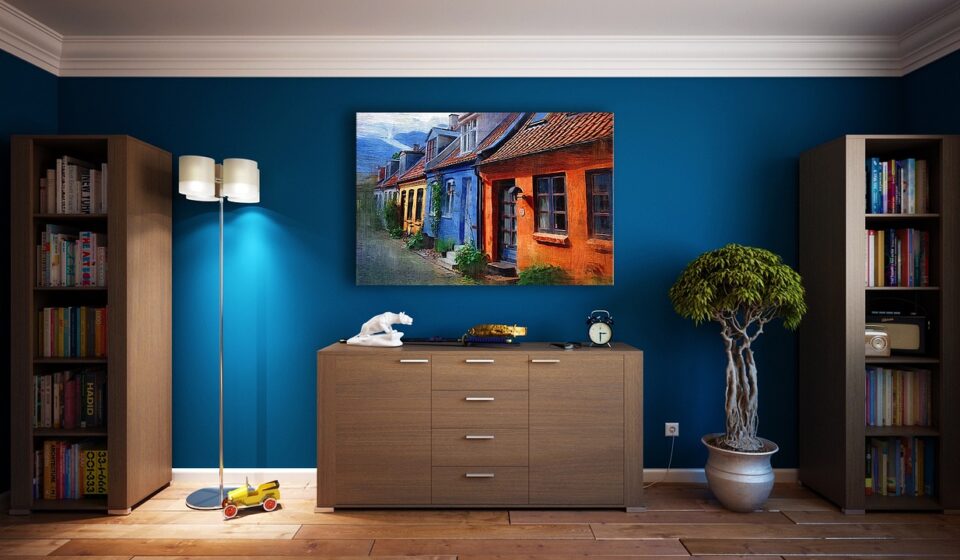

Most homeowners chase ‘more light’ for their living spaces, but a truly optimized home environment transcends mere brightness. The often-overlooked secret lies in understanding the quality and timing of natural light, which is where the real, profound benefits of natural light in home settings truly emerge. It’s not just about illuminating a room; it’s about harmonizing your indoor environment with the rhythms of the sun to profoundly impact your health, mood, and even your utility bills as of July 2026.
Last updated: July 4, 2026
Key Takeaways
- Natural light significantly regulates circadian rhythms, improving sleep quality and daytime alertness.
- Exposure to daylight boosts mood, reduces stress, and can increase productivity by up to 20% in home offices.
- Strategic day lighting can cut residential energy consumption for lighting by an estimated 25% or more.
- Careful management of glare, heat gain, and UV exposure is crucial to harness natural light’s benefits without drawbacks.
- Thoughtful home design and smart technologies are key to optimizing natural light for both health and energy efficiency.
The Science Behind Natural Light’s Impact
Natural light is more than just visible illumination; it’s a powerful biological signal. Our bodies are finely tuned to the sun’s daily cycle through our circadian rhythm, an internal clock that regulates everything from sleep-wake cycles to hormone production. When we’re exposed to sufficient natural light, particularly in the morning, it reinforces this rhythm, signaling to our bodies that it’s daytime.
This exposure suppresses melatonin, the sleep-inducing hormone, and boosts serotonin, a neurotransmitter linked to mood and alertness. Lack of consistent natural light can disrupt this delicate balance, leading to fatigue, mood disturbances, and poor sleep. It’s a fundamental aspect of human physiology that manufactured indoor lighting often fails to replicate effectively.
Practical Insight: Consider how your daily routine aligns with natural light. If you start your day in a dimly lit space, you’re fighting your body’s natural inclination to wake up and be alert.
[IMAGE alt=”Diagram showing how natural light exposure impacts the human circadian rhythm, with morning light boosting alertness and evening dimness promoting melatonin” caption=”Understanding the biological mechanisms of natural light can help optimize home environments.” loading=”lazy”]
Boosting Mood and Mental Well-being in 2026
The link between natural light and mood is undeniable, far exceeding a simple preference for bright spaces. Exposure to daylight has been consistently shown to alleviate symptoms of seasonal affective disorder (SAD) and general depression. It plays a critical role in serotonin production, which directly influences feelings of well-being and happiness.
A study highlighted by UCLA Health in 2026 reinforced that natural light improves mood and increases happiness, extending beyond mere mental health to overall physical health and general well-being. This isn’t just about feeling cheerful; it’s about creating an environment that supports sustained emotional stability.
Example: Home office workers who have access to natural light report higher levels of satisfaction and decreased eye strain compared to those working under artificial light. This translates to increased focus and a more positive work-from-home experience.
Optimizing Sleep Patterns with Daylighting
One of the most profound benefits of natural light in home environments is its ability to regulate sleep. Consistent daily exposure to bright daylight, especially during morning hours, helps set your internal body clock. This signals to your brain that it’s time to be awake and active.
Conversely, reducing exposure to bright light in the evening allows melatonin production to naturally ramp up, preparing your body for sleep. Disrupting this pattern with excessive artificial light late at night can delay sleep onset and reduce sleep quality. Garden Insider notes that morning natural light supports mood and alertness, while natural light helps sleep when evenings get dimmer.
Practical Insight: Try to get at least 20–30 minutes of natural light exposure within the first hour of waking. This could be by having breakfast near a window, taking a short walk, or simply opening curtains immediately upon rising.
Energy Savings and Environmental Sustainability
Beyond the personal health advantages, strategic use of natural light offers significant environmental and economic benefits. By maximizing daylight penetration, homeowners can substantially reduce their reliance on artificial lighting during the day. This directly translates to lower electricity bills.
According to Elemental Green, effective day lighting strategies can reduce overall energy consumption by as much as 25% in residential settings, as of 2026. This not only saves money but also lessens your home’s carbon footprint, contributing to greater environmental sustainability. It’s a win-win for your wallet and the planet.
Example: A family in Arizona replaced old, small windows with larger, energy-efficient ones and installed light shelves, reducing their daytime lighting electricity usage by nearly a third over the past year. This also led to a more comfortable indoor temperature due to improved thermal performance.
[IMAGE alt=”Infographic showing energy savings percentage from natural light compared to artificial light, highlighting reduced electricity bills and carbon footprint” caption=”Daylighting reduces energy consumption and supports environmental goals.” loading=”lazy”]
Enhancing Home Aesthetics and Perceived Value
Natural light dramatically transforms the aesthetic appeal of any home. Rooms bathed in sunlight feel more spacious, welcoming, and vibrant. It highlights interior finishes, colors, and textures in a way artificial light can’t, adding depth and warmth to your living spaces.
For homeowners considering resale, natural light is a significant selling point. Real estate professionals consistently note that homes with abundant natural light command higher prices and sell faster. Marie Babin, a real estate expert, often points to the ‘feel’ of a space as a key differentiator, with natural light being a quiet hero in creating that desirable atmosphere.
Practical Insight: When viewing properties, pay attention not just to the number of windows, but to their orientation and how they capture light throughout the day. A well-placed skylight can be more impactful than several small, poorly positioned windows.
Practical Strategies to Maximize Natural Light
Integrating more natural light into your home doesn’t always require major renovations. Many effective strategies focus on optimizing existing light sources and enhancing reflection.
Advanced Glazing and Window Technologies
Modern window technology offers significant advancements in managing natural light. Low-emissivity (Low-E) coatings, for instance, can block unwanted UV rays and reduce heat gain while still allowing visible light to pass through. Smart glass, which can change opacity, offers dynamic control over light levels and privacy with the flick of a switch.
| Feature | Standard Double-Pane Window | Low-E Coated Window (2026) | Smart Glass (Electrochromic) |
|---|---|---|---|
| Visible Light Transmittance | High (approx. 70-85%) | High (approx. 60-75%) | Adjustable (5-60%) |
| UV Protection | Low | High (blocks 75%+ UV) | High (blocks 99% UV) |
| Heat Gain Reduction | Moderate | Excellent (reduces by 30-50%) | Excellent (active control) |
| Privacy Control | Requires blinds/curtains | Requires blinds/curtains | Instant, on-demand |
| Typical Cost (per sq ft) | £20-£30 | £35-£55 | £100-£200+ |
Example: Installing skylights or sun tunnels can bring natural light into interior rooms or hallways that lack exterior windows, significantly brightening traditionally dark areas without needing extensive structural changes.
Interior Design for Light Amplification
Beyond windows, interior design plays a huge role. Light-colored walls, ceilings, and flooring reflect natural light, spreading it deeper into a room. Strategically placed mirrors can also bounce light, creating an illusion of greater space and brightness. Sheer curtains allow light to filter in while maintaining some privacy.
Practical Insight: Consider the reflectivity of your furniture and decor. Glossy surfaces and metallic accents can help distribute light, while heavy, dark fabrics tend to absorb it. Even the placement of indoor plants can affect light flow.
[IMAGE alt=”Interior design showing light-colored walls, large mirror, and sheer curtains amplifying natural light in a living room” caption=”Thoughtful interior design can significantly amplify natural light within a space.” loading=”lazy”]
Navigating the Nuances: Potential Drawbacks and Solutions
While the benefits of natural light are extensive, unchecked exposure can also present challenges. Glare can be distracting and cause eye strain, especially on screens. Excessive heat gain through windows, particularly on south-facing facades, can lead to uncomfortable indoor temperatures and increased air conditioning costs.
Furthermore, prolonged exposure to UV radiation through windows can fade furniture, flooring, and artwork over time. However, these issues are manageable with smart design and technology. Low-E glass, external shading devices like awnings or pergolas, and internal solutions such as blinds or sheer curtains can mitigate these drawbacks effectively.
Practical Insight: Consider zoning your home for light. Areas used for intense screen work might benefit from controlled, diffused light, while living areas can embrace more direct, dynamic daylight. Automated smart blinds, for example, can adjust throughout the day based on sun position and interior temperature sensors. Smart Small Living Room Layout Ideas for 2026
Common Misconceptions About Natural Light
Many people believe any light through a window is sufficient, but this isn’t always the case, especially for specific benefits like Vitamin D synthesis. The glass in most modern windows blocks UVB rays, which are essential for the skin to produce Vitamin D. While natural light supports mood and circadian rhythm, direct outdoor sun exposure is generally needed for Vitamin D.
Another misconception is that more windows automatically mean better light. Poorly placed windows can lead to excessive glare, uneven light distribution, or unwanted heat gain, counteracting potential benefits. It’s about strategic placement and appropriate glazing, not just sheer quantity.
Practical Insight: When planning renovations or selecting a home, consider a professional daylight analysis if possible. This can help identify optimal window sizes, placements, and shading strategies tailored to your specific climate and home orientation.
Expert Tips for a Light-Optimized Home
Achieving a truly light-optimized home involves a complete approach, moving beyond simple window upgrades. In my experience working with architectural designs, the spectral quality of light is often overlooked. Blue-rich light in the morning is invigorating, while warmer, softer light is preferred in the evening.
Consider installing daylight sensors that automatically adjust artificial lighting based on the amount of natural light available. For areas prone to glare, use light shelves or strategically placed diffusers to bounce light deeper into the room without direct harshness. For homes with limited natural light potential, full-spectrum LED lighting can mimic natural daylight more closely than traditional bulbs, supporting circadian health.
Practical Insight: Don’t forget the power of exterior landscaping. Deciduous trees can provide shade in summer while allowing sunlight through in winter. Light-colored exterior walls and patios can also reflect light indoors.
[IMAGE alt=”Architectural rendering of a home with strategically placed windows, overhangs, and light shelves for optimal natural light penetration and glare control” caption=”Expert design integrates natural light management with architectural features.” loading=”lazy”]
Frequently Asked Questions
How does natural light improve productivity at home?
Natural light enhances alertness and reduces eye strain, which are crucial for productivity. It also stabilizes circadian rhythms, leading to better sleep and sustained energy levels throughout the day, directly impacting focus and cognitive function during work or study.
Can too much natural light be a problem?
Yes, excessive natural light can cause glare, leading to discomfort and difficulty viewing screens. It can also result in unwanted heat gain, increasing cooling costs, and UV damage to interiors. Proper shading, glazing, and design are essential to mitigate these issues.
What are some affordable ways to increase natural light in an existing home?
Simple solutions include decluttering windows, using sheer curtains, painting walls with light, reflective colors, and strategically placing mirrors. Trimming exterior foliage blocking windows and cleaning windows regularly also make a noticeable difference without major expense.
Does natural light affect the value of a home?
Absolutely. Homes with abundant natural light are highly sought after and often command higher prices. Buyers perceive these homes as more welcoming, spacious, and healthier, making natural light a significant factor in real estate appraisal and marketability.
How does natural light impact mental health?
Natural light exposure positively influences serotonin levels, a key neurotransmitter for mood regulation. It helps combat symptoms of seasonal affective disorder (SAD) and general depression, fostering a sense of well-being, reducing stress, and improving overall psychological comfort.
Is natural light harmful to furniture or artwork?
Direct and prolonged exposure to natural light, particularly its UV component, can cause fading and deterioration of furniture, fabrics, and artwork. Using UV-blocking window films, Low-E glass, or strategic shading like blinds and curtains can protect your interior investments.
Conclusion
Using the benefits of natural light in home environments is about much more than just a brighter space; it’s about creating a living sanctuary that supports your physical health, mental well-being, and environmental responsibility. By understanding the science, implementing thoughtful design strategies, and proactively managing potential drawbacks, you can transform your home into a truly light-optimized haven for 2026 and beyond. Start by observing how light moves through your home and identify small, impactful changes to welcome its power.
Last reviewed: July 2026. Information current as of publication; pricing and product details may change.