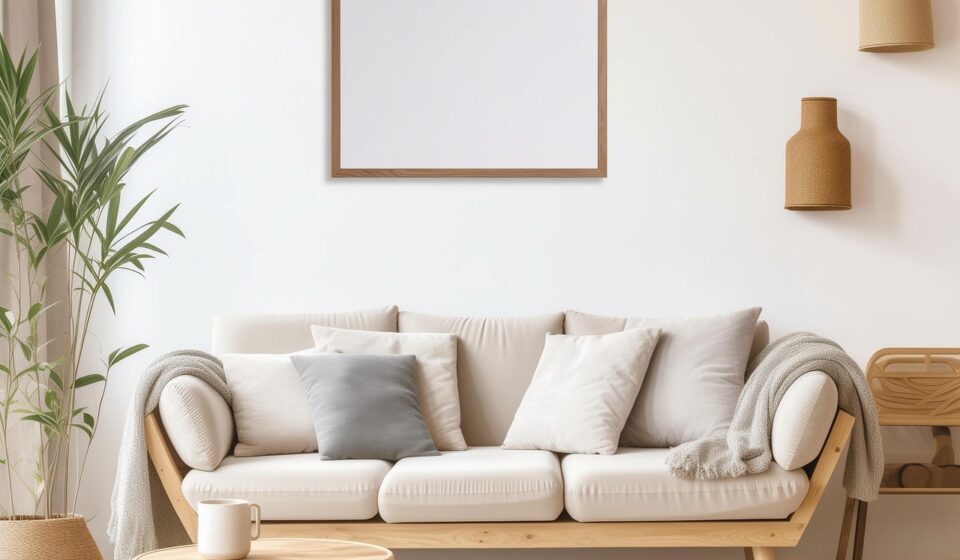

Many believe minimalist living room ideas are about stark, empty spaces. In reality, the approach centers on thoughtful curation and creating an atmosphere of calm and functionality. It’s about making conscious choices to enhance well-being and visual harmony, rather than simply stripping away possessions.
Last updated: July 4, 2026
As of July 2026, minimalist design continues to evolve, emphasizing sustainability and personal connection to space. The goal is to design a living room that feels both inviting and effortlessly sophisticated, reflecting a deliberate lifestyle choice.
Key Takeaways
- Prioritize intentionality over emptiness, focusing on function and well-being.
- Embrace neutral color palettes, enhancing depth with varied textures and natural light.
- Invest in high-quality, multi-functional furniture to maximize utility and longevity.
- Implement a systematic decluttering process to maintain a truly minimalist space.
- Integrate natural elements and biophilic design for a calming and connected environment.
Embracing the “Less Is More” Philosophy
Minimalism in a living room transcends simply having fewer items; it’s about thoughtful selection and intentional living. It challenges the conventional idea that more possessions equate to more comfort or style. Instead, it advocates for a curated environment where every object serves a purpose or evokes joy.
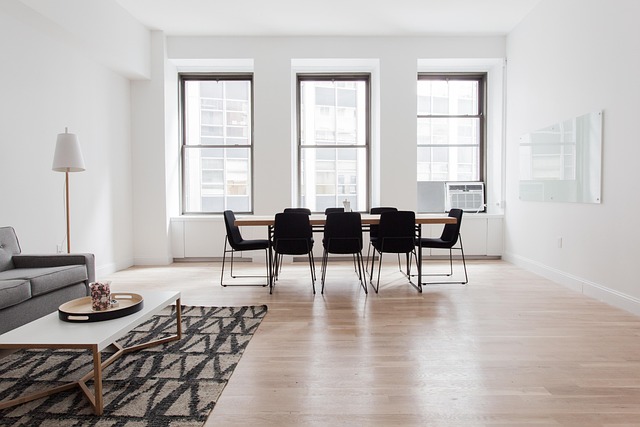
Consider a living room featuring a comfortable, well-designed sofa, a single minimalist coffee table, and a carefully chosen floor lamp. Each piece stands out not by overwhelming the space, but by its quality and contribution to the room’s overall functionality and aesthetic harmony. This approach creates a sense of calm and order that cluttered spaces often lack.
The practical insight here is to view your living room not as a storage area, but as a sanctuary. Focus on creating open space and clear pathways, allowing the room to breathe. This fosters a sense of tranquility and reduces visual noise, a core principle of effective minimalist living room ideas.
The Power of a Neutral Palette and Subtle Accents
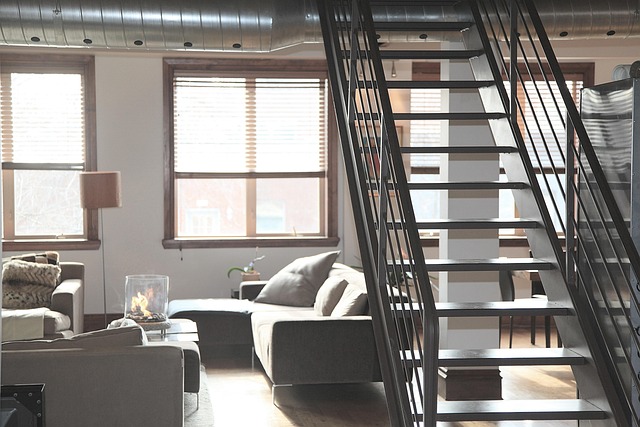
A neutral color palette forms the backbone of most minimalist living room designs. Shades of white, beige, gray, and soft earth tones create a calming and cohesive backdrop. This allows the architecture of the room and the chosen furniture to truly shine.
To prevent a space from feeling bland, introduce depth through texture rather than relying heavily on bold colors. Imagine a living room with off-white walls, a light gray linen sofa, a natural oak coffee table, and a hand-knitted wool throw blanket. The subtle variations in material and weave add visual interest without disrupting the serene aesthetic.
A key insight is that even within neutrals, contrast is crucial. Pair warm beiges with cool greys, or smooth surfaces with rough textures, to create a dynamic yet understated feel. According to a 2025 interior design trend report by Houzz, neutral palettes remain a top choice for creating calm and timeless interiors, with a particular emphasis on layered textures.
Functional Furniture: Investing in Quality and Purpose
In a minimalist living room, every piece of furniture must earn its place. This often means investing in high-quality, durable items that are not only aesthetically pleasing but also highly functional. Multi-purpose furniture is particularly valuable in this context, especially in smaller homes.
For example, a sleek ottoman that offers hidden storage for blankets or magazines, or a modular sofa system that can be reconfigured for different needs, perfectly embodies this principle. Brands like Article or EQ3 offer minimalist designs with strong construction. The drawback, however, is that high-quality, well-designed minimalist pieces can carry a higher upfront cost compared to mass-produced alternatives. That said, their longevity often represents a better long-term value.
The practical tip is to prioritize utility and craftsmanship. Before purchasing, consider how a piece contributes to the room’s flow and what problems it solves. A carefully chosen piece reduces the need for additional items, further enhancing the minimalist aesthetic.

Decluttering with Intention: A Step-by-Step Approach
Effective decluttering is the cornerstone of any successful minimalist living room. It’s not a one-time event but an ongoing practice of mindful consumption and curation. Start by systematically evaluating every item in your living space.
- Empty the Space: Remove everything from the room except the largest furniture pieces. This gives you a fresh perspective.
- Sort into Categories: Create piles for ‘Keep,’ ‘Donate/Sell,’ ‘Relocate,’ and ‘Discard.’ Be honest about what truly belongs in the living room.
- Evaluate Each Item: Ask yourself: Is it functional? Is it beautiful? Does it add value or joy? If not, consider letting it go. For sentimental items, designate a specific, limited spot elsewhere in the home.
- Return with Purpose: Only bring back items that fit the ‘Keep’ category and align with your minimalist vision. Ensure everything has a designated home.
- Regular Review: Schedule a quarterly or bi-annual review to prevent clutter from accumulating again.
This structured approach, rather than sporadic tidying, ensures a lasting impact. In my experience advising on home styling, the biggest challenge isn’t removing items, but curating what remains and resisting the urge to refill empty spaces. This discipline is essential for maintaining a truly decluttered living space.
Incorporating Natural Elements and Biophilic Design
To prevent minimalist living rooms from feeling stark, integrate natural elements that bring warmth and life into the space. This approach, often called biophilic design, connects occupants with the natural world, promoting a sense of calm and well-being. According to the U.S. Green Building Council (USGBC) 2026 guidelines, incorporating natural elements like plants and natural light significantly enhances indoor environmental quality and user comfort.
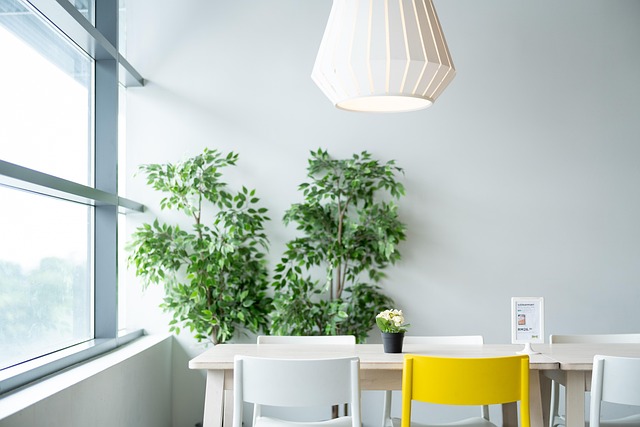
Think about materials like light-colored wood (birch, maple, oak), stone, natural fibers (linen, cotton, wool, jute), and living plants. A large, leafy indoor plant, such as a Fiddle Leaf Fig or a Snake Plant, can act as a natural focal point, adding a pop of organic green against a neutral backdrop. A woven jute rug or a wooden side table instantly adds texture and warmth.
The practical insight here is that these elements soften the clean lines of minimalist design without adding visual clutter. They introduce subtle variations in color and texture, creating a more inviting and harmonious atmosphere.
Art and Focal Points: Curated Statements, Not Collections
In a minimalist living room, art serves a powerful purpose: to provide visual interest and express personality without overwhelming the senses. Instead of a gallery wall, opt for one or two impactful pieces that draw the eye and complement the room’s serene aesthetic. This applies equally to other focal points.
For instance, a single, large-scale abstract painting with a muted color palette can anchor a wall, providing a sophisticated visual anchor. Alternatively, a uniquely sculptural floor lamp or a handcrafted ceramic vase placed on a minimalist console table can serve as a sculptural focal point. The key is to choose items that resonate deeply and add character, rather than just filling space.
This approach transforms your chosen pieces into deliberate statements. Avoid the temptation to display multiple small decorative items, which can quickly lead to visual clutter. The goal is impact through simplicity and quality, ensuring each piece truly enhances the space.
Small Living Room, Big Minimalist Impact: Maximizing Space
Minimalist living room ideas are particularly effective for small spaces, as they emphasize efficiency and openness. The principles of decluttering and functional furniture become even more critical when square footage is limited. The goal is to make the room feel larger and more airy.
Consider using wall-mounted shelving or floating media consoles to free up floor space. Choose furniture with slim profiles and exposed legs, which allow light to pass underneath, creating an illusion of more space. A large mirror strategically placed can reflect light and expand the visual depth of the room. For instance, a narrow console table can replace a bulky entertainment unit.
The expert tip is to think vertically and embrace transparency. Use vertical storage solutions and incorporate glass or acrylic elements where appropriate. These strategies minimize the physical and visual footprint, making even the smallest living room feel expansive and incredibly chic.
Common Mistakes to Avoid in Minimalist Living Room Design
While appealing, minimalist design can sometimes lead to pitfalls if not approached thoughtfully. Avoiding these common mistakes ensures your living room remains inviting and functional.
- Creating a Sterile or Cold Environment: One common error is stripping a room of all personality and warmth, resulting in a clinical feel. Solution: Introduce varied textures (knits, woods, metallics), soft lighting, and natural elements like plants to add warmth and depth.
- Lack of Personality: A truly minimalist space should still reflect its inhabitants. Solution: Carefully select a few meaningful pieces of art or personal mementos that tell a story without adding clutter. Quality over quantity is paramount.
- Over-Decluttering Functional Items: Sometimes, in an effort to minimize, essential items are removed, leading to inconvenience. Solution: Strike a balance. Ensure frequently used items are accessible but neatly stored, perhaps in a stylish storage box or a drawer within a multi-functional piece.
- Ignoring Scale and Proportion: Even with fewer items, incorrect sizing can make a room feel off-balance. Solution: Choose furniture that’s proportionate to the room’s size. A small sofa in a large room or an oversized piece in a tiny space can both disrupt harmony.
Expert Tips for Lasting Minimalist Appeal
Maintaining a minimalist aesthetic is an ongoing practice that benefits from strategic habits. Here are some expert insights to ensure your minimalist living room ideas endure.
First, implement a ‘one in, one out’ rule. Whenever you purchase a new item for your living room, commit to removing an existing one. This prevents gradual accumulation and ensures your space remains curated. This discipline is particularly effective for decorative objects and smaller furniture pieces.
Second, prioritize natural light. Ensure windows are unobstructed by heavy drapes or excessive furniture. Natural light instantly makes a room feel larger, cleaner, and more serene, aligning perfectly with minimalist principles. Consider sheer curtains or simple blinds for privacy without sacrificing light.
Third, create visual pathways. Arrange furniture to allow for clear, uninterrupted lines of sight and movement. This enhances the flow of the room and reinforces the sense of openness that’s characteristic of minimalist design. This creates an intuitive and comfortable environment for residents and guests alike.
Comparison: Scandinavian vs. Japanese Minimalism
While both Scandinavian and Japanese design principles heavily influence modern minimalist living room ideas, they offer distinct aesthetics. Understanding these differences can help you tailor your space to your preferred style.
| Feature | Scandinavian Minimalism | Japanese Minimalism (Wasabi influence) |
|---|---|---|
| Overall Feel | Cozy, light, inviting (Hygge) | Serene, tranquil, disciplined (Wasabi, Zen) |
| Color Palette | Predominantly whites, light greys, muted pastels, natural wood tones | Earthy tones, deep blues, charcoal, natural wood, bamboo, stone |
| Key Materials | Light wood (birch, pine), wool, cotton, leather, ceramics, glass | Darker wood (walnut), bamboo, rice paper, stone, ceramics, linen |
| Furniture Style | Clean lines, functional, often rounded edges, ergonomic | Low-profile, simple, geometric, often tatami mats or floor seating |
| Decor Elements | Soft textiles, candles, simple patterns, functional art | Few decorative items, focus on natural imperfections, calligraphy, bonsai |
| Lighting | Ample natural light, warm artificial lighting, layered sources | Soft, diffused light, shoji screens, minimalist lanterns |
The key insight is that Scandinavian minimalism leans into comfort and warmth, often incorporating textiles and brighter hues, while Japanese minimalism emphasizes natural imperfections, austerity, and a deep connection to nature, often with lower profiles and more muted, earthy tones. Both aim for simplicity but achieve it through slightly different cultural lenses.
Frequently Asked Questions
What are the core principles of minimalist living room design?
The core principles include intentionality, decluttering, functional furniture, a neutral color palette, and emphasizing natural light and open space. It prioritizes quality over quantity, ensuring every item serves a purpose or adds aesthetic value, contributing to a calm and uncluttered environment.
How do I make a minimalist living room feel warm and inviting?
To add warmth, incorporate varied textures through natural materials like wool rugs, linen throws, and wooden furniture. Use soft, layered lighting, add a few carefully chosen plants, and introduce subtle personal touches or art pieces that reflect your personality without adding clutter.
Can a minimalist living room work for families with children?
Absolutely. Minimalism can simplify family life by reducing clutter, making cleaning easier, and creating more open space for play. Focus on durable, easy-to-clean materials, multi-functional storage solutions for toys, and a few key pieces of comfortable, resilient furniture.
What types of furniture are best for a minimalist living room?
Opt for furniture with clean lines, simple forms, and neutral colors. Look for pieces that are highly functional, durable, and proportionate to your space. Modular sofas, storage ottomans, floating shelves, and slim-profile tables are excellent choices that maximize utility without visual bulk.
How often should I declutter my minimalist living room?
While an initial deep declutter is essential, maintaining a minimalist living room requires ongoing effort. A good practice is to do a quick tidy-up daily, a more thorough review monthly, and a comprehensive decluttering session quarterly or twice a year to prevent items from accumulating.
What role does lighting play in a minimalist living room?
Lighting is crucial for enhancing the sense of space and warmth. Maximize natural light by keeping windows unobstructed. Supplement with layered artificial lighting, including ambient, task, and accent lights, to create different moods and highlight architectural features or artwork.
Are plants suitable for a minimalist living room?
Yes, plants are highly suitable. They introduce natural elements, add a touch of color and life, and improve air quality without creating visual clutter. Choose one or two large, architectural plants or a small cluster of simple potted plants to enhance the biophilic aspect of your design.
Conclusion
Designing a minimalist living room in 2026 is about more than just aesthetics; it’s about cultivating a serene, functional, and intentional living space. By embracing purposeful decluttering, investing in quality furniture, and thoughtfully integrating natural elements and curated art, you can create an environment that promotes calm and clarity. This approach simplifies your surroundings and enhances your overall well-being. Start by identifying one area to declutter this week, setting the foundation for your minimalist transformation.
Last reviewed: July 2026. Information current as of publication; pricing and product details may change.