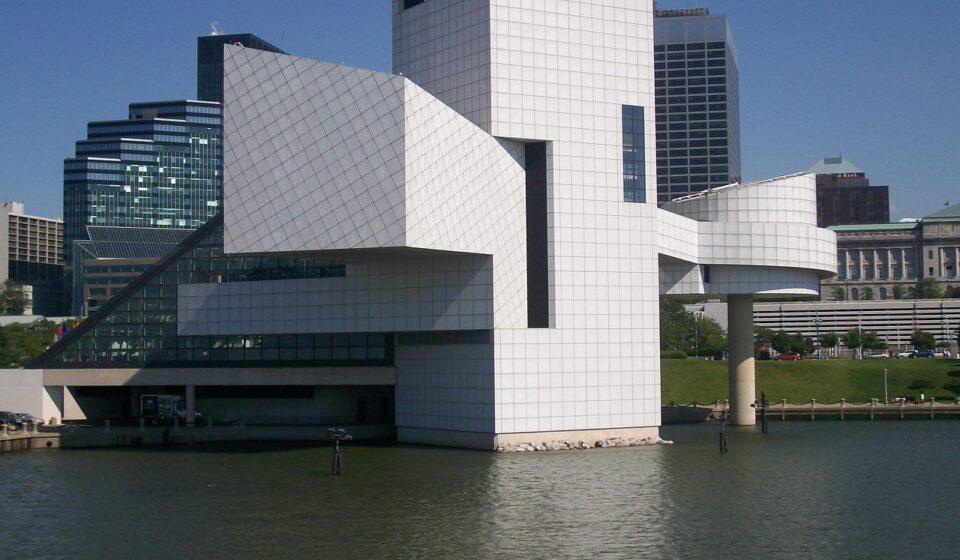

When your phone rings with a 216 number, your first thought might be of Cleveland, Ohio. That’s a natural assumption, as the telephone prefix 216 is indeed a long-standing area code for this major American city. However, a significant number of calls displaying ‘216’ originate from an entirely different part of the world: Tunisia, which uses +216 as its country code. This dual identity often leads to confusion, especially with the prevalence of international scam calls.
Last updated: June 13, 2026
Key Takeaways
- Telephone prefix 216 is primarily the area code for Cleveland, Ohio, and its surrounding inner-ring suburbs.
- it’s one of the original 86 area codes established in the North American Numbering Plan (NANP) in 1947.
- Crucially, +216 is also the international dialing code for Tunisia, leading to common confusion and potential scam risks.
- Always verify the full number, especially the ‘+’ sign, to distinguish between a local US call and an international one.
- Be wary of unsolicited calls from +216 numbers, as they are frequently associated with ‘wangiri’ or other international phone scams.
Understanding Telephone Prefix 216: The Cleveland Connection
The telephone prefix 216 is an area code assigned to the North American Numbering Plan (NANP) and predominantly serves the metropolitan area of Cleveland, Ohio. This three-digit code is integral to the telecommunications infrastructure of northeastern Ohio, connecting millions of residents and businesses. When you see a number starting with (216), it typically indicates a local call within Cleveland or its immediate vicinity.
As of June 2026, the 216 area code remains dedicated to this region, encompassing a significant portion of Cuyahoga County. It plays a vital role in local commerce, emergency services, and personal communication. Familiarity with this area code helps residents and businesses identify local contacts and understand the geographic origin of incoming calls.
The distinction between an area code and an international country code is crucial. While 216 is a US area code, the identical numerical sequence, +216, functions as a country code for another nation entirely. This overlap is a common source of confusion, particularly in an era of global communication and increasing phone-based scams.
A Glimpse into History: The Origin of Area Code 216
Area code 216 holds a unique place in telecommunications history as one of the original 86 area codes introduced by AT&T and Bell System in 1947. These initial codes were designed to simplify long-distance calling across North America. Ohio initially received four of these original codes: 216, 419, 513, and 614.
Originally, area code 216 covered the entire northeastern quadrant of Ohio, a vast territory that included not just Cleveland but also cities like Akron, Canton, and Youngstown. Over the decades, as the population grew and demand for telephone numbers surged, the original 216 area was split multiple times. These splits created new area codes to accommodate the increasing number of lines needed.
For instance, in 1997, the southern portion of the 216 area was split off to form area code 330. Just two years later, in 1999, the eastern portion was separated to create area code 440. These reconfigurations ensured a sufficient supply of phone numbers for all communities while maintaining 216 as the core identifier for Cleveland itself. [IMAGE alt=”Historic map showing original 1947 North American Numbering Plan area codes with 216 highlighted” caption=”A historical map illustrating the expansive original coverage of Area Code 216 in Ohio when it was established in 1947.” loading=”lazy”]
Geographic Reach: Cities and Communities Served by 216
Today, the 216 area code is exclusively associated with the city of Cleveland and its immediate inner-ring suburbs within Cuyahoga County, Ohio. This includes a dense urban and suburban landscape, home to a diverse population and a strong economic base.
Key cities and communities within the 216 area code include:
- Cleveland
- East Cleveland
- Cleveland Heights
- Lakewood
- Shaker Heights
- Euclid
- Parma
- Garfield Heights
Understanding this specific geographic boundary is important for businesses targeting customers in the Cleveland metropolitan area, or for individuals trying to reach contacts in the region. Numbers outside these specific areas, even within Ohio, will carry different area codes like 330, 440, or 614.
Decoding Dialing: How to Call Numbers in the 216 Area
Calling a number within the 216 area code follows standard North American dialing procedures. For local calls within the 216 area, 10-digit dialing is mandatory. This means you must always dial the full 216 area code followed by the seven-digit local number, even if you are calling from another 216 number.
If you are calling a 216 number from outside the area code but still within the United States or Canada, you simply dial ‘1’ (the country code for the NANP) followed by the 216 area code and the seven-digit number. For example, to call a Cleveland number from New York, you would dial 1-216-XXX-XXXX.
When placing calls to 216 numbers from international locations, you would dial your country’s international access code (e.g., ’00’ for many European countries, ‘011’ for some others) followed by ‘1’ (the US country code), then the 216 area code, and finally the seven-digit local number. Always confirm the specific international access code for your originating country.
The International Twist: Country Code +216 (Tunisia)
Here’s where the confusion often arises. While 216 is a US area code, the sequence +216 is the country code for Tunisia, a nation in North Africa. This means any incoming call displaying ‘+216’ in front of the number originates from Tunisia, not Cleveland. This distinction is critical for identifying the true source of a call and can significantly impact how you respond.
Country codes are part of the International Telecommunication Union’s (ITU) E.164 recommendation, which assigns unique numerical prefixes to countries for international direct dialing. According to the International Telecommunication Union, these codes ensure that calls can be routed correctly across global networks. Tunisia’s assignment of +216 is entirely independent of the US area code 216. [IMAGE alt=”World map highlighting Tunisia and Cleveland, Ohio, showing two distinct locations for the 216 number” caption=”A world map visually separating the geographic locations associated with the US Area Code 216 and the international Country Code +216.” loading=”lazy”]
Many users in the US often mistake an incoming +216 call for a local Ohio number, leading them to answer or call back without realizing the international implications. This misunderstanding is frequently exploited by scammers, who rely on the familiarity of the ‘216’ digits to trick unsuspecting individuals.
Navigating International Calls from +216: What to Know
If you receive a call from a number preceded by ‘+216’, it’s coming from Tunisia. The format typically appears as +216 XX XXX XXX, where the ‘XX’ represents the mobile network or fixed-line operator code, followed by the subscriber number. Genuine calls from Tunisia are usually from known contacts, family, or business associates.
However, unsolicited calls from +216 numbers should be approached with extreme caution. Many of these calls are part of international scam attempts. One common tactic is the ‘wangiri’ scam, where scammers make a very brief call, hoping the recipient calls back out of curiosity. These return calls often connect to premium-rate numbers, incurring significant charges on the victim’s phone bill.
As of June 2026, international call charges, particularly to premium-rate numbers, can be substantial. Always check your carrier’s international rates before returning a call to an unknown international number. These charges are often not immediately apparent and can lead to unexpected bills.
Common Concerns: Scam Calls and Unwanted Contact
The shared numerical prefix makes both the US 216 area code and the +216 country code susceptible to various forms of unwanted contact and scams. While local 216 numbers can be used for robocalls and telemarketing, the international +216 numbers are more frequently associated with sophisticated schemes.
Scammers leverage the ambiguity. They might spoof local 216 numbers to appear as if they are calling from Cleveland, or they might rely on the recipient’s lack of awareness about the +216 country code to induce callbacks. These tactics are designed to either extract personal information, trick individuals into sending money, or generate revenue through premium-rate services.
The Federal Communications Commission (FCC) consistently warns consumers about the dangers of unsolicited international calls and advises against answering or returning calls from unknown numbers, especially those from unfamiliar country codes. According to a 2025 FCC consumer alert, unsolicited robocalls and spoofed calls remain a top consumer complaint, with international scams forming a significant portion of these. [IMAGE alt=”Infographic showing common phone scam types associated with 216 numbers, including wangiri and phishing attempts” caption=”An infographic detailing common scam tactics associated with both US 216 area code and +216 country code calls.” loading=”lazy”]
Future Outlook: Number Exhaustion and Overlays for 216
Like many older, densely populated area codes, 216 faces the challenge of number exhaustion. This occurs when nearly all available phone numbers within an area code have been assigned to subscribers. To address this, numbering plan administrators often implement overlay plans, which introduce a new area code to the same geographic region without splitting the existing one.
When an overlay is introduced, all callers within that region must dial 10 digits (area code + 7-digit number) for every call, even local ones. This is already the case for 216, largely due to previous splits and the ongoing need for more numbering capacity. As of June 2026, there are no immediate plans for a new overlay directly on top of the 216 area code, but number resource management is an ongoing process.
The telecommunications industry continuously monitors number availability and population growth to predict when new area codes will be necessary. For Cleveland, the existing surrounding area codes (330, 440) help manage the demand, but the 216 prefix remains a high-demand resource for the city proper.
Practical Tips for Managing Calls from Unknown 216 Numbers
Navigating calls from unknown 216 numbers, whether local or international, requires a strategic approach. The most straightforward advice is to be cautious. If you don’t recognize the number, consider letting it go to voicemail.
For calls appearing as (216) XXX-XXXX, verify the caller’s identity through caller ID. If it’s a known local business or contact, you can answer. If it’s unfamiliar, a quick online search of the full 10-digit number can sometimes reveal if it’s a legitimate entity or a reported spam number.
When the call clearly displays +216, it’s almost certainly international. Unless you are expecting a call from Tunisia, it’s generally best not to answer. Calling back an unknown +216 number is particularly risky due to potential premium-rate charges. Consider using call-blocking features on your smartphone or through your service provider to prevent repeat calls from suspicious numbers.
| Feature | US Area Code 216 | Country Code +216 (Tunisia) |
|---|---|---|
| Geographic Location | Cleveland, Ohio, USA (Cuyahoga County) | Tunisia, North Africa |
| Dialing Format (from US) | 1-216-XXX-XXXX | 011-216-XX-XXX-XXX (or your international access code) |
| Call Type (Primary) | Local / Domestic US Call | International Call |
| Risk of Scams | Standard robocalls, telemarketing, local spoofing | Higher risk of ‘wangiri’ and international premium-rate scams |
| Cost of Return Call (from US) | Standard local/long-distance rates (often included in plans) | High international rates, potentially premium-rate charges |
Pros of Answering Unknown 216 Calls (US Local)
- Could be an important local contact, missed business opportunity, or emergency.
- Opportunity to screen calls and determine legitimacy.
- Connect with local services or individuals who genuinely need to reach you.
Cons of Answering Unknown 216 Calls (US Local)
- Potential for robocalls, telemarketing, or unwanted solicitations.
- Risk of engaging with spoofed numbers used by scammers.
- Wastes time if the call is unwanted or illegitimate.
Pros of Answering Unknown +216 Calls (International)
- Very rare, but could be a legitimate international contact if you have ties to Tunisia.
Cons of Answering Unknown +216 Calls (International)
- High probability of being a ‘wangiri’ or other international scam.
- Risk of incurring significant charges if you call back.
- Potential for identity theft or other fraud if engaging with scammers.
How to Identify and Report Suspicious 216 Calls
Identifying a suspicious call from a 216 number, whether local or international, often comes down to context and caller behavior. If a local 216 number calls and leaves a vague or urgent voicemail, it’s a red flag. Scammers often use pressure tactics or alarming messages to provoke a quick response. Look for inconsistencies in caller ID information or unusual requests.
For +216 calls, the simple fact that it’s an unsolicited international call is often enough to raise suspicion. If you answer, listen for signs of a ‘wangiri’ scam: a very short call that immediately hangs up, or a call that tries to entice you to dial a different, often premium-rate, number. Never provide personal information over the phone unless you have initiated the call and verified the recipient.
If you suspect a scam, report it. For US-based 216 numbers, you can report unwanted calls to the FCC via their website or to the Federal Trade Commission (FTC) at ftccomplaintassistant.gov. For international +216 scam calls, report them to your phone carrier and the FCC. This helps authorities track patterns and issue warnings, protecting other consumers.
Common Mistakes with 216 Numbers
One of the most common mistakes is assuming all 216 numbers originate from Cleveland, Ohio. This overlooks the international country code +216 for Tunisia. Failing to recognize the ‘+’ prefix on an incoming call can lead individuals to inadvertently engage with international scammers, assuming the call is a local or domestic long-distance one.
Another mistake is immediately calling back an unknown 216 number, especially if it’s an international +216. This impulsivity can result in unexpected charges or open the door to further scam attempts. Always pause and consider the source before returning a call from an unfamiliar number. Similarly, providing personal or financial information to an unverified caller, regardless of the area code, is a significant error.
Finally, some users might neglect to use call-blocking features or spam filters available on their devices or through their service providers. These tools are designed to mitigate unwanted calls and enhance personal privacy, yet many people don’t fully leverage them. Taking a proactive stance against suspicious numbers can save time and prevent potential financial loss.
Tips / Best Practices / Expert Insights
To effectively manage calls involving the telephone prefix 216, adopt a ‘verify, then act’ mindset. Always check the full number, including any international dialing prefixes. The presence of a ‘+’ sign before ‘216’ is your definitive indicator that the call is international, originating from Tunisia.
Implement call screening practices. Let unknown numbers go to voicemail. Legitimate callers will leave a message. This simple step filters out the vast majority of robocalls and ‘wangiri’ scams. Many modern smartphones and carrier services offer strong spam and scam call filtering, which should be enabled and updated regularly. For example, major carriers as of 2026 offer free or low-cost apps to identify and block suspected spam calls.
Educate yourself and your family members, especially elderly relatives, about common phone scam tactics. Scammers often target vulnerable populations. Discussing the difference between US area codes and international country codes, and the risks associated with unsolicited calls, can be a powerful defense. For further reading on protecting yourself, see .
If you have business or personal connections in Cleveland, it’s wise to save their 216 numbers in your contacts. This way, you’ll immediately recognize legitimate calls from the area. For any unexpected 216 call, whether local or international, prioritize your privacy and financial security over curiosity. When we review telecommunication trends for clients, a consistent finding is that proactive call management significantly reduces exposure to unwanted contact.
Frequently Asked Questions
What geographic area does the 216 area code cover?
The 216 area code covers the city of Cleveland, Ohio, and its immediate inner-ring suburbs primarily within Cuyahoga County. This includes well-known areas like East Cleveland, Lakewood, Shaker Heights, and Parma, serving a dense urban and suburban population.
Is +216 an international country code?
Yes, +216 is the international dialing code for Tunisia, a country located in North Africa. This is distinct from the US area code 216 for Cleveland, Ohio. The ‘+’ symbol always indicates an international country code.
How do I tell if a 216 call is from Cleveland or Tunisia?
Look for the ‘+’ sign. If the number appears as (216) XXX-XXXX, it’s a US area code. If it shows as +216 XX XXX XXX, it’s an international call from Tunisia. The presence of the ‘+’ sign is the key differentiator.
Are calls from 216 numbers often scams?
Unsolicited calls from either US 216 numbers or international +216 numbers can be scams. International +216 calls, however, are frequently associated with ‘wangiri’ and other premium-rate scams. Always exercise caution with unknown numbers.
What should I do if I receive an unknown call from +216?
It’s generally best not to answer or call back unknown numbers, especially those with international country codes like +216. If you are not expecting an international call, let it go to voicemail. Calling back can lead to unexpected charges.
Can I block calls from 216 numbers?
Yes, most smartphones allow you to block specific numbers. Your mobile carrier may also offer services or apps to filter and block suspected spam and scam calls, including those from problematic 216 numbers, both local and international.
Conclusion: Navigating the 216 Landscape
The telephone prefix 216 presents a unique challenge in modern communication due to its dual identity as both a prominent US area code for Cleveland, Ohio, and the international country code for Tunisia. Understanding this distinction is not merely a matter of geographical knowledge; it’s a critical aspect of consumer protection and effective call management in 2026.
By recognizing the presence of the ‘+’ sign for international calls and adopting a cautious approach to unknown numbers, you can significantly reduce your risk of encountering unwanted solicitations or falling victim to sophisticated phone scams. Prioritize verification, leverage available call-blocking tools, and empower yourself with knowledge to Handle the complex world of the 216 prefix with confidence.
Last reviewed: June 2026. Information current as of publication; pricing and product details may change.