
Sarah, a small business owner, launched her artisanal coffee shop website last year. Despite having a great product, traffic was low. Why? Because simply having a website isn’t enough; you need a strategy to get people to find it. This is where digital marketing for beginners to becomes your most powerful tool.
Last updated: June 30, 2026
Key Takeaways
- Digital marketing encompasses all online efforts to promote products or services, reaching a vast, targeted audience.
- Starting with a clear strategy, including defined goals and audience understanding, is more effective than random tactics.
- Core channels like SEO, Content Marketing, Social Media, Email, and Paid Ads work best when integrated.
- Measure everything using analytics to refine your approach and ensure continuous improvement.
- Consistency, patience, and a willingness to learn are crucial for long-term digital marketing success.
What is Digital Marketing, Really?
Digital marketing refers to all marketing efforts that use an electronic device or the internet. Businesses leverage digital channels such as search engines, social media, email, and other websites to connect with current and prospective customers. It’s essentially advertising in the digital realm, allowing for precision targeting and measurable results.
Unlike traditional marketing, which relies on print ads, billboards, or television commercials, digital marketing operates where your audience spends most of its time: online. This broad scope means it includes everything from publishing a blog post to running a targeted ad campaign on Instagram.
The core concept is to reach the right people, at the right time, with the right message, using the most effective digital medium. It’s about building an online presence that attracts, engages, and converts.
Why Digital Marketing Matters in 2026
In June 2026, the digital landscape is more competitive and interconnected than ever. Digital marketing isn’t just an option; it’s a necessity for any business looking to survive and thrive. It offers unparalleled reach, cost-effectiveness, and the ability to measure every action.
Consider that, according to a 2025 report by Statista, global internet penetration is over 65%, meaning billions of people are online daily. Businesses that ignore this vast audience miss out on significant growth opportunities. Digital marketing allows even small businesses to compete with larger corporations by precisely targeting niche audiences.
Furthermore, digital marketing provides strong analytics. You can track website visits, ad clicks, conversion rates, and much more, giving you clear insights into what works and what doesn’t. This data-driven approach allows for continuous optimization, making your marketing efforts increasingly efficient over time.
Essential Digital Marketing Channels for Beginners
For those new to the field, understanding the main types of digital marketing is crucial. Each channel serves a distinct purpose and can be combined to form a comprehensive strategy. Here are the foundational elements:
Search Engine Optimization (SEO)
SEO is the practice of increasing the quantity and quality of traffic to your website through organic search engine results. When someone searches for a product or service you offer, you want your website to appear high on the search results page. This involves optimizing your website’s content, structure, and technical elements to appeal to search engine algorithms like Google’s.
For example, if you sell handmade jewelry, you’d optimize your product pages with keywords like "unique silver necklaces" or "custom gemstone rings." A key insight is that SEO is a long-term game; results aren’t immediate, but the sustained organic traffic can be incredibly valuable.
Content Marketing
Content marketing involves creating and distributing valuable, relevant, and consistent content to attract and retain a clearly defined audience — and, ultimately, to drive profitable customer action. This can include blog posts, videos, infographics, e-books, and podcasts.
Imagine a pet supply store publishing blog posts like "5 Tips for Training a New Puppy" or "Choosing the Best Dog Food in 2026." This content doesn’t directly sell but provides value, builds trust, and establishes the store as an authority. It also feeds into your SEO efforts, giving search engines more content to crawl and rank.
Social Media Marketing
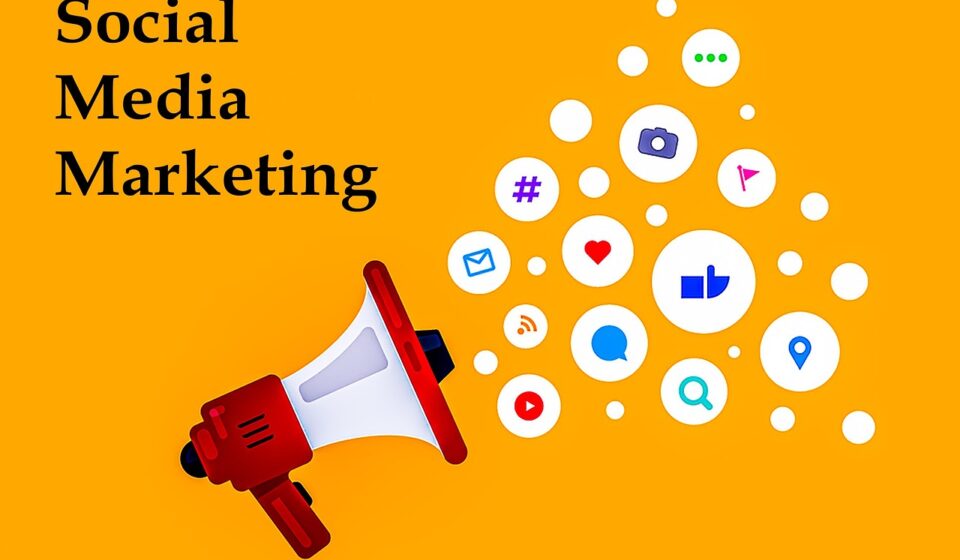
This channel uses social media platforms like Facebook, Instagram, TikTok, and LinkedIn to connect with your audience, build your brand, drive website traffic, and increase sales. It’s about engagement, conversation, and community building.
A local bakery, for instance, might post mouth-watering photos of new pastries on Instagram, run polls on Facebook to ask customers about new flavors, or share behind-the-scenes videos on TikTok. The practical insight here is to choose platforms where your target audience is most active, rather than trying to be everywhere at once. [IMAGE alt=”Diagram showing interconnected digital marketing channels like SEO, social media, content, and email” caption=”Effective digital marketing often involves integrating multiple channels for a cohesive strategy.” loading=”lazy”]
Email Marketing
Email marketing is a direct form of marketing that uses electronic mail to send commercial messages to an audience. It can be used to promote products, share news, build relationships, or drive sales. For beginners, it’s an excellent way to nurture leads and retain existing customers.
Consider an online clothing store sending out a weekly newsletter featuring new arrivals, exclusive discounts, or style tips to subscribers. A key benefit is the high return on investment (ROI) it often delivers, as you’re communicating directly with people who have already shown interest in your brand.
Paid Advertising (PPC)
Paid advertising, often referred to as Pay-Per-Click (PPC), involves paying a fee each time one of your ads is clicked. This includes search engine ads (e.g., Google Ads), social media ads (e.g., Facebook Ads), and display ads on other websites.
If you’re launching a new product, running a Google Ad campaign targeting specific keywords can bring immediate, highly qualified traffic to your landing page. The primary advantage is speed and control: you can quickly get your message in front of a targeted audience and adjust your budget and targeting in real-time. However, it requires careful budget management and continuous optimization to ensure profitability.
Building Your First Digital Marketing Strategy: A Step-by-Step Guide
Starting with digital marketing requires a structured approach. Here’s a simplified roadmap for beginners:
- Define Your Goals: What do you want to achieve? More website traffic, increased sales, higher brand awareness, or more leads? Be specific and measurable. For instance, "Increase website traffic by 20% in the next three months."
- Understand Your Audience: Who are you trying to reach? Create buyer personas, detailing their demographics, interests, pain points, and online behavior. This informs all your content and channel choices.
- Choose Your Channels: Based on your goals and audience, select 1-3 digital marketing channels to start with. Don’t spread yourself too thin. For a B2B service, LinkedIn and email might be primary; for a B2C product, Instagram and TikTok could be key.
- Create a Content Plan: Develop a calendar for your content, whether it’s blog posts, social media updates, or email newsletters. Consistency is vital. Plan what to publish, when, and on which platform.
- Launch and Monitor: Implement your strategy. Use tools like Google Analytics to track performance against your goals. Don’t be afraid to start small and learn. According to a 2026 report by HubSpot, companies that consistently track their marketing efforts are significantly more likely to achieve their goals.
- Analyze and Optimize: Regularly review your data. What’s working? What isn’t? Adjust your tactics based on these insights. Digital marketing is an iterative process; continuous improvement is key to sustained success.
Real-World Examples: Digital Marketing in Action
Seeing how others apply digital marketing can provide clarity. Consider these scenarios:
A local fitness studio, "Peak Performance Gym, " wanted to attract new members in early 2026. Instead of traditional flyers, they focused their digital marketing for beginners efforts on a multi-pronged approach. They created a series of blog posts (content marketing) on "Beginner-Friendly Workout Routines" and "Nutrition Tips for a Healthy Lifestyle, " optimizing them for local SEO. They then promoted these posts on their Facebook and Instagram pages (social media marketing), running targeted ads to people within a 5-mile radius interested in fitness. They also offered a free trial class in exchange for an email address, building a list for future email campaigns about new classes and promotions. This integrated strategy allowed them to track exactly which efforts led to new sign-ups, proving far more effective than their previous print campaigns.
Another example is an independent author, Jane Doe, launching her new fantasy novel. She used Goodreads (a social platform for readers) to connect with potential readers, ran a limited-time Amazon PPC campaign targeting fans of similar authors, and built an email list through her website by offering a free short story prequel. These digital tactics allowed her to reach a global audience without a large traditional marketing budget.
Common Pitfalls and How to Avoid Them
As with any new effort, beginners often encounter challenges. Recognizing these can save you time and resources:
- Trying to Do Everything at Once: Overwhelm is common when faced with numerous channels. Instead of tackling SEO, social media, email, and paid ads all simultaneously, choose 1–2 channels to master first. Focus on quality over quantity.
- Ignoring Analytics: Launching campaigns without tracking their performance is like driving blind. Always set up analytics (e.g., Google Analytics 4) from day one. This allows you to understand what’s working and pivot quickly if something isn’t delivering results.
- Inconsistent Effort: Digital marketing requires continuous engagement. A single blog post won’t rank, and sporadic social media updates won’t build a community. Establish a realistic content calendar and stick to it.
- Selling Too Hard, Too Soon: Especially in content and social media, the goal for beginners should be to provide value first. Build trust and an audience, and sales will follow naturally. Constantly pushing products can alienate your audience.
- Not Understanding Your Audience: Creating content or running ads without a clear picture of who you’re talking to leads to wasted effort. Invest time in audience research upfront to ensure your messages resonate.
Expert Tips for Digital Marketing Success in 2026
Beyond the basics, a few expert insights can accelerate your progress in digital marketing for beginners:
- Embrace Iterative Learning: Don’t aim for perfection on your first attempt. Digital marketing is a process of testing, learning, and refining. Launch, gather data, analyze, and then improve. This agile approach is far more effective than waiting for a "perfect" launch.
- Focus on Mobile-First: A significant portion of online traffic, especially for social media and search, comes from mobile devices. Ensure your website and all digital content are optimized for mobile viewing. Google’s algorithms prioritize mobile-friendly sites.
- Personalization is Key: As of 2026, generic messages are less effective. Use data to segment your audience and personalize your communication, whether it’s through email marketing or dynamic ad content. How to Write a Professional Email in 2026: Your Guide to Impactful Communication for advanced email segmentation.
- Leverage Video Content: Video continues to dominate online consumption. Consider incorporating short-form videos for social media or explainer videos for your website. Tools make video creation more accessible than ever.
- Build Your Email List Early: Even if you don’t have a sophisticated email marketing strategy yet, start collecting email addresses. It’s a direct line to your audience that you own, unlike social media followers who are subject to platform algorithms.
- Stay Updated on Trends: The digital marketing landscape evolves rapidly. Dedicate time each month to read industry news, follow experts, and understand new platform features. This article covers foundational digital marketing for beginners, but deeper dives into specific channel algorithms require ongoing learning.
Frequently Asked Questions
How much does digital marketing cost for beginners?
Digital marketing costs vary widely. You can start with free methods like organic social media and content marketing, requiring only time. Paid advertising can begin with small daily budgets, often as low as $5-$10 per day, allowing you to scale as you see results and gain experience. Software subscriptions for email or analytics also have varied price points.
How long does it take to see results from digital marketing?
Results depend on the channel and your efforts. Paid advertising can show results almost immediately, while SEO and content marketing typically take 3–6 months to gain significant traction. Building an engaged social media audience or a strong email list is a continuous, long-term process, rewarding consistency over quick wins.
Do I need technical skills for digital marketing?
While some technical understanding is helpful, you don’t need to be a programmer. Many digital marketing tools are user-friendly, offering drag-and-drop interfaces for website building, email campaigns, and ad creation. A willingness to learn basic analytics and platform navigation is often sufficient for beginners.
What is the most important digital marketing channel to start with?
There isn’t a single "most important" channel; it depends on your business and audience. However, for most beginners, establishing a strong website (often with basic SEO) and consistently creating valuable content (content marketing) provides a solid foundation. Social media or email marketing can then build upon this base.
Can I do digital marketing myself, or should I hire an expert?
For beginners with limited budgets, starting with DIY digital marketing is entirely feasible. This article provides a strong starting point. As your business grows and marketing needs become more complex, considering a freelance expert or agency can be a smart move to scale your efforts effectively and efficiently. on outsourcing marketing tasks.
How do I measure digital marketing success?
Success is measured against your initial goals. Use tools like Google Analytics to track website traffic, conversion rates, time on page, and bounce rate. For social media, monitor engagement (likes, shares, comments). For email, track open rates and click-through rates. Consistent measurement allows for informed optimization.
Last reviewed: June 2026. Information current as of publication; pricing and product details may change.