

Maize starch, universally recognized as cornstarch or cornflour in some regions, is a staple ingredient that provides thickening, binding, and textural improvements across a vast array of products. Understanding its properties and proper application is key to unlocking its full potential, whether in a home kitchen or an industrial setting.
Last updated: June 12, 2026
Key Takeaways
- Starch of maize is primarily composed of amylose and amylopectin, dictating its functional properties as a thickening agent.
- The wet milling process meticulously extracts starch from corn kernels, yielding various grades for diverse applications.
- Beyond culinary uses, maize starch is vital in industries like paper, textiles, pharmaceuticals, and bioplastics as of June 2026.
- Specialized varieties like waxy maize starch and high-amylose resistant starch offer distinct benefits for stability and gut health.
- Avoid common pitfalls like direct addition to hot liquids or insufficient cooking time to prevent lumps and starchy flavors.
Understanding Starch of Maize: What it’s and Its Composition
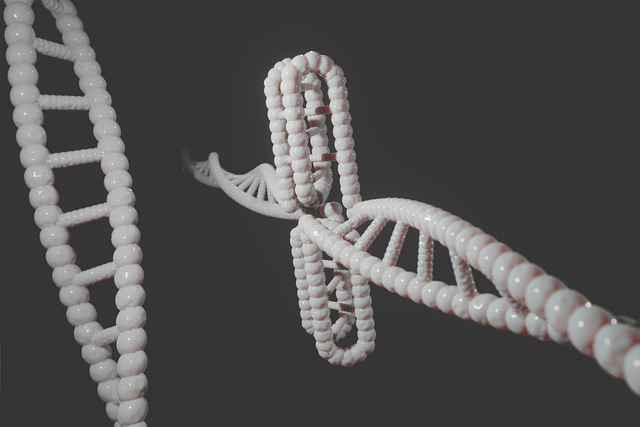
Starch of maize is a complex carbohydrate extracted from corn kernels, primarily serving as a thickening agent, binder, and stabilizer. it’s fundamentally composed of two glucose polymers: amylose and amylopectin, which together dictate its functional properties.
Amylose is a linear chain of glucose molecules, while amylopectin is a highly branched structure. The ratio of these two polymers varies among dofferent corn varieties, profoundly influencing how the starch behaves when heated in liquid. For example, typical dent corn starch contains around 25% amylose and 75% amylopectin, offering a good balance for general thickening.
When starch granules are heated in water, they undergo gelatinization, absorbing liquid and swelling to create a viscous solution. Upon cooling, this solution can thicken further as the amylose molecules reassociate, a process known as retrogradation.
The Journey from Kernel to Powder: Maize Starch Manufacturing
The production of starch of maize is a sophisticated wet milling process that separates the starch from other components of the corn kernel. This multi-stage industrial procedure ensures a high-purity product suitable for diverse applications.
The process begins with cleaning the maize kernels to remove impurities. Then, the kernels are steeped in warm water containing sulfur dioxide for 24–48 hours. This steeping softens the kernel, facilitates the separation of components, and inhibits microbial growth, according to the Food and Agriculture Organization (FAO).
After steeping, the softened kernels are coarsely ground, and the corn germ, rich in oil, is separated. The remaining mixture, a slurry of fiber, starch, and protein, then undergoes finer grinding and a series of washing and centrifugation steps to isolate the starch. The starch slurry is then dried to produce the fine white powder we recognize.
This meticulous manufacturing ensures the starch’s purity and consistent performance. The efficiency of this process is crucial for large-scale production, with significant trade volumes reported globally. According to The Observatory of Economic Complexity, maize starch (HS: 110812) is a major-traded commodity as of June 2026.

Diverse Applications of Starch of Maize in 2026
The versatility of starch of maize makes it indispensable across numerous sectors, from daily cooking to advanced industrial uses. Its ability to thicken, stabilize, bind, and modify texture is highly valued.
In the culinary world, cornstarch is a common thickener for sauces, gravies, soups, and desserts. For example, a tablespoon or two can transform a thin broth into a rich, velvety sauce. it’s also used in baking to tenderize cakes and cookies, and when coating foods for frying, it contributes to a crispier texture by reducing moisture content during cooking.
The food industry uses maize starch as a functional ingredient in processed foods. It acts as a binder in meat products, a filler in snacks, and a stabilizer in dairy desserts and salad dressings. Modified maize starches are engineered to withstand extreme temperatures, shear forces, and acidic conditions, making them suitable for ready-to-eat meals and frozen foods.
Beyond food, industrial applications are extensive. In paper manufacturing, maize starch enhances paper strength and surface properties. The textile industry uses it for sizing yarns and stiffening fabrics. Pharmaceuticals incorporate it as a binder and disintegrant in tablets, while the adhesive industry uses it in glues for paper and packaging. Furthermore, maize starch is gaining traction in the production of bioplastics, offering a renewable alternative to petroleum-based plastics. According to openPR.com, the waxy maize starch industry is projected to grow significantly as of June 2026, driven by these diverse applications.
Beyond Basic Thickening: Specialized Maize Starch Varieties
While regular starch of maize is a workhorse, specialized varieties and modified starches offer enhanced functionalities tailored for specific needs. These variations typically stem from differences in the corn variety used or subsequent chemical/physical modifications.
Waxy Maize Starch: This type of starch is derived from waxy corn, which contains almost 100% amylopectin and virtually no amylose. Its high amylopectin content results in a clear, glossy gel with excellent stability against retrogradation (staling or syneresis). This makes it ideal for frozen foods, sauces that undergo repeated heating and cooling, and products where clarity and resistance to separation are crucial.
High-Amylose Maize Starch ( Resistant Starch): In contrast, high-amylose corn varieties yield starch with a significantly higher amylose content, often exceeding 50%. When processed, this can form resistant starch (RS), which is not digested in the small intestine but ferments in the large intestine. Brands like Hi-Maize 260 offer this type of resistant starch as a dietary fiber supplement, known for its gut health benefits.
Modified Maize Starches: These starches undergo physical, enzymatic, or chemical treatments to alter their properties. Modifications can improve solubility, increase heat and acid stability, enhance freeze-thaw stability, or create specific textures. For instance, pregelatinized starches are instant thickeners, dissolving in cold water, while cross-linked starches offer superior viscosity stability under harsh processing conditions. Exploring on modified food starches can provide further insights.

Nutritional Aspects and Health Benefits of Maize Starch
Nutritionally, starch of maize is primarily a carbohydrate, providing energy. it’s naturally gluten-free, making it a valuable ingredient for individuals with celiac disease or gluten sensitivities. This property allows it to be used as a flour substitute or additive in gluten-free baking, improving texture and crumb structure.
The primary benefit of regular maize starch is its energy content. However, specific types, like high-amylose maize starch, offer distinct health advantages. Resistant starch functions much like soluble fiber, promoting gut health by acting as a prebiotic that feeds beneficial gut bacteria. Studies suggest that resistant starch can improve insulin sensitivity, aid in weight management by promoting satiety, and contribute to lower cholesterol levels.
That said, it’s important to consume even beneficial starches in moderation. Regular cornstarch, when refined, can be high on the glycemic index, meaning it can cause a rapid rise in blood sugar levels. For this reason, dietitians often recommend pairing it with fiber-rich foods or focusing on whole-food sources of carbohydrates. According to Eating Well (June 2026), incorporating certain starchy vegetables can be beneficial for weight loss, emphasizing the role of context in dietary choices.
Common Mistakes When Using Starch of Maize and How to Avoid Them
Despite its widespread use, improper handling of starch of maize can lead to disappointing results in both culinary and industrial applications. Avoiding these common mistakes ensures optimal performance.
Adding Directly to Hot Liquids: This is perhaps the most frequent error in the kitchen. Adding dry cornstarch directly to a hot sauce or soup almost guarantees lumps. The outer layer of the starch granules gelatinizes instantly, forming a barrier that prevents the interior from hydrating, leading to gritty clumps. To prevent this, always create a slurry first.
Not Cooking Long Enough: If a cornstarch-thickened mixture isn’t cooked sufficiently after adding the slurry, it can retain a starchy, raw taste. The starch granules need time at a simmering temperature to fully gelatinize and lose their raw flavor. A general rule of thumb is to simmer for at least 1–2 minutes after the desired thickness is achieved.
Using Too Much: Over-thickening is another common issue. Too much starch of maize can result in a gummy, gluey, or excessively stiff texture, especially in sauces or pie fillings. Start with a smaller amount and add more gradually if needed, remembering that the mixture will thicken further as it cools.
Incorrect Ratio for Specific Applications: The amount of starch needed varies significantly by application. A light sauce might require just a teaspoon per cup of liquid, while a firm pie filling could need a tablespoon or more. Not differentiating between these needs can lead to inconsistent results. For specific guidance on ratios, see on thickening agents.
Not Considering Starch Type: Using regular cornstarch in applications requiring freeze-thaw stability (like frozen casseroles) can lead to syneresis (weeping) upon thawing. This is where waxy maize starch, with its superior stability, would be the correct choice. Understanding the properties of specialized starches is crucial for professional results.

Expert Tips for Maximizing Starch of Maize Performance
Achieving consistent and superior results with starch of maize requires a few expert techniques. These practices elevate its performance, whether in a home kitchen or a commercial setting.
Always Create a Slurry: Before adding starch of maize to any hot liquid, mix it thoroughly with an equal amount of cold liquid (water, broth, or juice) to form a smooth paste or slurry. This ensures even dispersion and prevents clumping. A good ratio is typically 1 tablespoon of cornstarch to 1 tablespoon of cold liquid for every cup of liquid to be thickened.
Add Gradually and Cook Until Clear: Slowly whisk the slurry into your simmering liquid. Continue to whisk gently as the mixture heats and thickens. Once it reaches the desired consistency and appears translucent (usually within 1–2 minutes of simmering), it’s fully cooked and ready. Overcooking can break down the starch, reducing its thickening power.
Consider Acidic Environments: High-acid ingredients, like lemon juice or vinegar, can reduce the thickening power of regular maize starch if added too early or cooked for too long. For acidic preparations, add the starch slurry towards the end of the cooking process, or opt for a modified starch designed for acid stability.
Proper Storage is Key: Store starch of maize in an airtight container in a cool, dry place to prevent moisture absorption and maintain its shelf life. Moisture can cause the starch to clump and degrade its performance.
Combining with Other Thickeners: For complex textures or enhanced stability, consider combining maize starch with other thickeners. For instance, a roux (flour and fat) provides opacity and rich flavor, while cornstarch adds a clear, glossy finish. Understanding these synergies can open up new culinary possibilities.
Comparing Regular vs. Waxy Maize Starch
The choice between regular starch of maize and waxy maize starch hinges on the desired texture, appearance, and stability of the final product. Each has distinct characteristics that make it suitable for different applications.
| Feature | Regular Maize Starch | Waxy Maize Starch |
|---|---|---|
| Amylose Content | ~25% | <1% (virtually none) |
| Amylopectin Content | ~75% | ~99% |
| Gel Clarity | Opaque to cloudy | Clear and glossy |
| Freeze-Thaw Stability | Poor (gels can weep/separate) | Excellent (resists syneresis) |
| Texture | Firm, somewhat rigid gel | Soft, fluid, smooth gel |
| Resistance to Shear | Moderate | Higher |
| Ideal Uses | Gravies, standard sauces, pie fillings | Frozen foods, fruit fillings, clear glazes, dairy products |
Benefits and Drawbacks of Maize Starch
Starch of maize offers many advantages, but also comes with certain limitations that users should be aware of for optimal application.
Pros
- Excellent Thickening Power: Highly effective at creating smooth, viscous textures with relatively small amounts.
- Gluten-Free: A safe and effective alternative for gluten-intolerant individuals, improving texture in gluten-free baking.
- Neutral Flavor: doesn’t impart a strong flavor, allowing the natural taste of ingredients to shine through.
- Clear Gels (Waxy Starch): Waxy maize starch produces clear, glossy gels, desirable for fruit fillings and glazes.
- Cost-Effective: Generally an affordable ingredient, making it a budget-friendly option for thickening and binding.
Cons
- Lumping Potential: Requires careful preparation (slurry) to avoid clumps when added to hot liquids.
- Starchy Taste if Undercooked: Must be cooked thoroughly to eliminate a raw, starchy flavor.
- Poor Freeze-Thaw Stability (Regular Starch): Gels made with regular maize starch can break down and weep after freezing and thawing.
- Gummy Texture if Overused: Excessive amounts can lead to an undesirable gummy or gluey consistency.
- High Glycemic Index (Refined Starch): As a refined carbohydrate, it can cause rapid blood sugar spikes if consumed in large quantities, especially for certain dietary needs.
Frequently Asked Questions
What is the primary difference between starch of maize and wheat flour as thickeners?
The main difference lies in their composition and resulting texture. Starch of maize, being nearly pure starch, creates a translucent, glossy, and smoother gel with more thickening power per volume. Wheat flour, containing protein and other components, produces an opaque, slightly cloudy, and less viscous sauce with a floury taste if not cooked thoroughly.
Can starch of maize be used as a gluten-free flour substitute?
Yes, starch of maize is naturally gluten-free and is often used in gluten-free baking to improve texture and tenderness. However, it’s typically combined with other gluten-free flours (like rice flour or almond flour) rather than used alone, as it lacks the protein structure necessary for certain baked goods.
What is resistant starch, and why is it beneficial?
Resistant starch (RS) is a type of starch that resists digestion in the small intestine and ferments in the large intestine, acting like dietary fiber. it’s beneficial because it feeds beneficial gut bacteria, potentially improving gut health, aiding in blood sugar control, and contributing to satiety, which can help with weight management.
How much starch of maize should I use to thicken a sauce?
A good starting point for thickening a medium-consistency sauce is typically 1 tablespoon of starch of maize mixed with 1 tablespoon of cold liquid to form a slurry, added to 1 cup of the hot liquid you wish to thicken. Adjust based on desired thickness; a lighter sauce might need less, a very thick one more.
Does starch of maize change the flavor of food?
When used correctly and cooked thoroughly, starch of maize has a neutral flavor and should not significantly alter the taste of your food. However, if it’s undercooked or used in excessive amounts, it can impart a slight starchy or floury off-flavor.
Is waxy maize starch better than regular cornstarch for all uses?
Not necessarily. Waxy maize starch excels in applications requiring clarity, gloss, and stability against freezing and thawing or acidic conditions due to its high amylopectin content. Regular cornstarch is perfectly suitable and more economical for everyday thickening in gravies, stir-fries, and sauces that will be consumed immediately or not frozen.
What are the environmental implications of maize starch production?
Maize starch production is generally considered more sustainable than petroleum-based alternatives, especially when used for bioplastics. However, it still involves significant water and energy usage during the wet milling process. Research and development as of 2026 continue to focus on optimizing these processes for reduced environmental impact.
Conclusion
Starch of maize remains a cornerstone ingredient, valued for its exceptional thickening capabilities and versatility across culinary and industrial landscapes. From enhancing the texture of your favorite sauces to playing a critical role in pharmaceuticals and bioplastics, its impact is undeniable. By understanding its fundamental composition, the nuances of its production, and mastering its application through expert tips and avoiding common pitfalls, you can consistently leverage the power of this humble corn derivative. Whether you’re a home cook or an industry professional, knowing how to properly use starch of maize ensures superior results and opens up a world of possibilities for texture, stability, and innovation.
Last reviewed: June 2026. Information current as of publication; pricing and product details may change.