
Sarah, a marketing professional, spent years trying every hair product on the market for her thinning, brittle strands, only to find temporary fixes. What she overlooked was the profound connection between her plate and her mane. Many of us chase external solutions, but the truth is that truly vibrant, resilient hair begins internally. As of June 2026, scientific consensus increasingly emphasizes that a balanced, nutrient-dense diet is the most powerful tool to eat your way to healthy hair.
Last updated: June 13, 2026
Key Takeaways
- Prioritize protein intake to support keratin production, the primary building block of hair.
- Integrate omega-3 fatty acids for scalp health, reducing inflammation and supporting follicle function.
- Ensure adequate iron and zinc to prevent hair loss and promote strong hair growth.
- Consume a wide spectrum of vitamins (A, C, E, B-complex) for overall hair vitality and protection.
- Focus on whole, unprocessed foods and maintain consistent hydration for long-term hair health.
The Foundation: Protein for Strength and Growth
Protein is the absolute cornerstone of healthy hair. Hair itself is primarily made of keratin, a protein, so a consistent supply of amino acids from your diet is crucial for its production and structural integrity.
Without sufficient protein, hair can become weak, brittle, and prone to breakage, and growth cycles may slow down significantly. Aim for a protein source at every meal to ensure a steady supply for your hair follicles.
Excellent sources include lean meats like chicken and turkey, fish, eggs, dairy products, legumes (lentils, beans), and nuts. For example, a morning omelet with spinach provides both protein and iron, kickstarting your day with hair-supporting nutrients.
Omega-3 Fatty Acids: Scalp Health and Shine
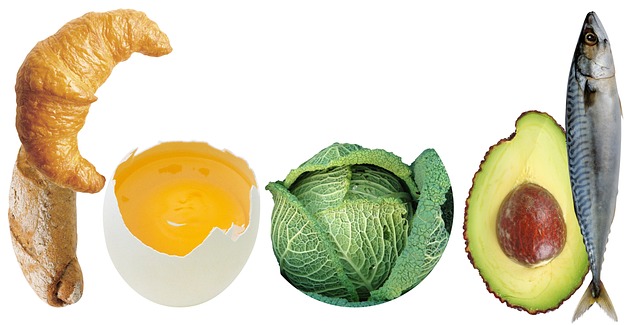
Omega-3 fatty acids are vital for maintaining a healthy scalp and imparting natural shine to your hair. These essential fats are known for their anti-inflammatory properties, which can help soothe irritated scalps and create an optimal environment for hair growth.
They contribute to the natural oils that keep your scalp and hair hydrated, preventing dryness and dullness. Incorporating fatty fish like salmon, mackerel, and sardines two to three times a week is an effective strategy.
Plant-based sources such as flaxseeds, chia seeds, and walnuts also offer valuable omega-3s. Sprinkling a tablespoon of ground flaxseeds into your morning oatmeal can easily boost your intake.
Iron and Zinc: Preventing Hair Loss and Boosting Follicles
Iron deficiency, or anemia, is a common cause of hair loss, particularly in women. Iron helps red blood cells carry oxygen to your hair follicles, which is essential for their growth and repair.
Zinc plays a critical role in hair tissue growth and repair, helping keep the oil glands around the follicles working properly. A lack of zinc can lead to poor hair growth and even hair shedding.
Rich sources of iron include red meat, spinach, lentils, and fortified cereals. For zinc, consider oysters, beef, pumpkin seeds, and cashews. Pairing iron-rich foods with Vitamin C (like citrus fruits) enhances iron absorption.
The Vitamin Powerhouses: A, C, E, and B-Complex
A spectrum of vitamins works synergistically to support overall hair health. Vitamin A is crucial for cell growth, including hair cells, and helps the scalp produce sebum, a natural oil that keeps hair moisturized.
Vitamin C is a powerful antioxidant that protects hair follicles from damage and is essential for collagen production, strengthening hair. Vitamin E also acts as an antioxidant, while B-vitamins, especially biotin (B7) and pantothenic acid (B5), are renowned for their role in hair growth and strength.
Sweet potatoes, carrots, spinach, and kale are rich in Vitamin A. Citrus fruits, bell peppers, and strawberries provide Vitamin C. Nuts and seeds are excellent for Vitamin E. Eggs, avocados, and whole grains are great sources of B-vitamins. According to the NIH Office of Dietary Supplements, biotin deficiency is rare but can impact hair health.
Collagen and Silica: Building Blocks for Resilience
Collagen, the body’s most abundant protein, provides structural integrity to skin, bones, and yes, hair. While you can consume foods that directly contain collagen (like bone broth), your body primarily builds its own collagen using amino acids and Vitamin C.
Silica, a trace mineral, is less commonly discussed but equally important for strong, healthy hair. It helps strengthen hair strands and can contribute to increased hair thickness. It’s thought to play a role in transporting nutrients to the scalp and hair.
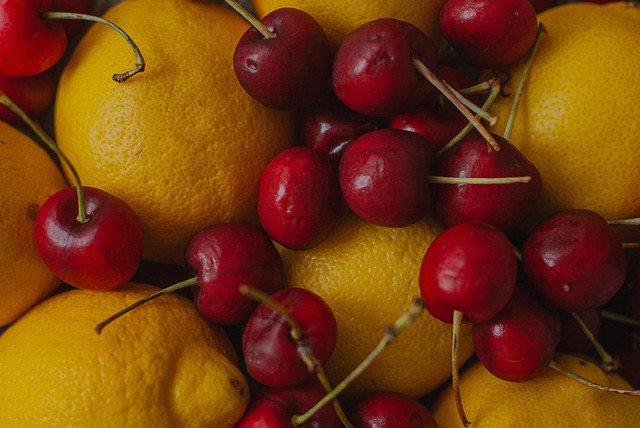
Boost collagen production with Vitamin C-rich foods such as citrus fruits, berries, and bell peppers. Foods high in silica include cucumbers, bell peppers, oats, and leafy greens. Bone broth is a direct source of collagen, offering a rich blend of amino acids.
Beyond Nutrients: Hydration and Gut Health
While specific nutrients are crucial, two often-overlooked factors significantly impact your ability to eat your way to healthy hair: hydration and gut health. Your hair, like the rest of your body, relies heavily on water to stay hydrated and function optimally.
Dehydration can lead to dry, brittle hair that’s more susceptible to breakage. Aim for at least eight glasses of water daily. Furthermore, a healthy gut microbiome ensures that you properly absorb all the essential nutrients from your food.
An imbalanced gut can hinder nutrient uptake, making even a perfect diet less effective. Incorporate fermented foods like yogurt, kefir, sauerkraut, and kimchi to support a thriving gut environment. Learn more about the benefits of a balanced gut for overall wellness.

Designing Your Hair-Healthy Meal Plan
Creating a diet to eat your way to healthy hair doesn’t require drastic changes, but rather mindful adjustments and consistency. The goal is to integrate these nutrient-dense foods into your daily routine naturally.
- Start with Protein: Ensure each meal includes a lean protein source. Think eggs for breakfast, a chicken salad for lunch, and baked salmon for dinner.
- Embrace Colorful Produce: Fill half your plate with a variety of fruits and vegetables at every meal. This ensures a broad spectrum of vitamins and antioxidants.
- Choose Healthy Fats: Incorporate avocados, nuts, seeds, and olive oil daily. These provide essential fatty acids and fat-soluble vitamins.
- Stay Hydrated: Keep a water bottle handy and sip throughout the day. Herbal teas also contribute to your fluid intake.
- Prioritize Whole Grains: Opt for whole wheat, oats, and quinoa over refined grains for added B-vitamins and fiber.
In practice, consistency is more impactful than perfection. Even small, incremental changes, maintained over time, will yield noticeable improvements in hair health.
Common Dietary Mistakes Sabotaging Your Hair
Many individuals unknowingly undermine their hair health through common dietary missteps. One significant mistake is crash dieting or highly restrictive diets. These often lead to nutrient deficiencies, as the body prioritizes essential functions over hair growth, causing shedding and dullness.
Another pitfall is excessive consumption of processed foods, refined sugars, and unhealthy fats. These can trigger inflammation and oxidative stress, negatively impacting hair follicles and overall scalp health. A diet high in these items can also disrupt gut health, further impeding nutrient absorption.
Ignoring hydration is also a frequent error. When the body is dehydrated, hair can become dry, brittle, and more prone to breakage. Lastly, failing to address potential nutrient deficiencies through dietary changes or targeted supplementation (under professional guidance) leaves hair vulnerable. Explore the hidden impacts of inflammation on your body.
Expert Tips for Maximizing Nutritional Impact
Beyond simply knowing which foods to eat, how you approach your diet can significantly enhance its benefits for your hair. Variety is key; rotating your food choices ensures a wider array of micronutrients, rather than relying on just a few staples.
Consider the bioavailability of nutrients. For instance, pairing iron-rich plant foods with Vitamin C sources, like a lentil salad with bell peppers, boosts iron absorption. Cooking methods also matter; overcooking vegetables can reduce their vitamin content.
Listen to your body. If you notice persistent hair issues despite a balanced diet, consulting a healthcare professional or registered dietitian is wise. They can help identify underlying deficiencies or health conditions that might be impacting your hair, potentially recommending specific blood tests or targeted supplementation. According to the American Academy of Dermatology Association, a balanced diet is crucial, but sometimes deficiencies require a more tailored approach.

What are the most important nutrients for hair growth?
The most important nutrients for hair growth include protein (for keratin), omega-3 fatty acids (for scalp health), iron (for oxygen transport), zinc (for follicle repair), and B-vitamins like biotin (for growth and strength). Vitamins A, C, and E also play vital roles in supporting overall hair vitality and protecting follicles from damage.
How long does it take to see results from dietary changes for hair?
Hair growth is a slow process, typically around half an inch per month. Visible results from dietary changes can take anywhere from three to six months, as it takes time for new, healthier hair to grow out. Consistency in your eating habits is crucial for long-term improvement.
Can supplements replace a healthy diet for hair?
While supplements can address specific nutrient deficiencies, they are not a substitute for a balanced, healthy diet. Whole foods provide a complex array of nutrients, fiber, and phytochemicals that work synergistically. Supplements should be considered as complementary tools, ideally under the guidance of a healthcare professional.
Are there specific foods to avoid for better hair health?
For better hair health, it’s generally advisable to limit highly processed foods, excessive sugar, unhealthy trans fats, and refined carbohydrates. These can contribute to inflammation, oxidative stress, and nutrient depletion, which can negatively impact hair follicles and overall scalp condition. Focus on whole, unprocessed options instead.
What role does hydration play in hair health?
Hydration is fundamental to hair health. Adequate water intake ensures that nutrients are efficiently transported to hair follicles and that hair strands themselves remain moisturized and supple. Dehydration can lead to dry, brittle hair that’s more prone to breakage and a dull appearance, diminishing its natural luster.
Are plant-based diets good for hair?
Yes, a well-planned plant-based diet can be excellent for hair health, provided it includes adequate protein, iron, zinc, and B-vitamins. Plant-based sources like lentils, beans, nuts, seeds, leafy greens, and fortified plant milks can supply these nutrients. Careful planning to avoid deficiencies is key.
To truly eat your way to healthy hair, the journey is one of consistent nourishment, not quick fixes. By prioritizing a diverse array of protein-rich foods, essential fatty acids, and a rainbow of vitamins and minerals, you lay the foundation for strong, vibrant hair from within. Remember that patience and consistency are your best allies on this path, leading to lasting improvements that external treatments alone can’t provide.
Last reviewed: June 2026. Information current as of publication; pricing and product details may change.