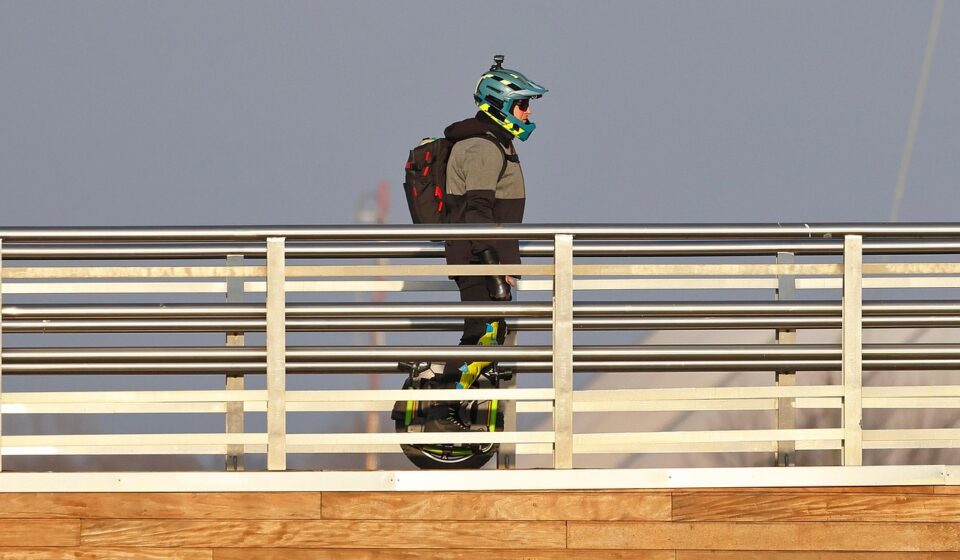

When Sarah decided to swap her daily bus commute for an electric scooter, she quickly realized that navigating city streets required more than just balance. The transition to a personal electric vehicle, while liberating, demands a specific set of skills and a keen understanding of both the machine and your environment. This guide offers essential ride electric scooter guide tips to help you master urban mobility safely and efficiently in 2026.
Last updated: June 11, 2026
Key Takeaways
- Always prioritize safety gear, especially a helmet, and conduct pre-ride checks.
- Understand and obey local electric scooter laws and traffic regulations, which vary by region as of June 2026.
- Master fundamental riding techniques like braking, turning, and maintaining balance at various speeds.
- Proactively scan for and adapt to diverse urban road conditions, from potholes to tram tracks.
- Regularly perform basic maintenance, focusing on tires, breaks, and battery care, to ensure longevity and safety.
Understanding Your Electric Scooter
Before you hit the road, familiarizing yourself with your electric scooter’s features is paramount. Different models offer varying motor power, battery ranges, tire types, and braking systems. For instance, a scooter designed for short commutes on flat terrain might have smaller solid tires and a less powerful motor, while a model for longer, varied rides could feature pneumatic tires and dual suspension. Knowing your scooter’s capabilities and limitations directly impacts your riding experience and safety.
Check your scooter’s manual for specifics on its charging time, maximum load capacity, and recommended tire pressure. Overloading an electric scooter can strain the motor and battery, significantly reducing its lifespan and performance. Similarly, incorrect tire pressure affects handling, braking distance, and can increase the risk of punctures. According to a 2025 report by the Micromobility Research Institute, improper tire maintenance is a leading cause of scooter-related incidents.
A practical insight: many manufacturers offer apps that connect to your scooter, providing real-time data on battery life, speed, and even GPS tracking. Utilizing these tools can enhance your understanding and optimize your daily rides.
Essential Safety Gear and Pre-Ride Checks
Safety starts before you even power on your scooter. Wearing appropriate gear is non-negotiable for any electric scooter rider. A well-fitting helmet is the most critical piece of equipment; it can prevent severe head injuries in the event of an accident. Beyond helmets, consider knee and elbow pads, gloves, and reflective clothing, especially if you ride during dawn, dusk, or at night.
Before each ride, conduct a quick safety check. This ‘ABC’ check ensures your scooter is in optimal condition. Check the Air in your tires (if pneumatic) for proper inflation, ensuring better grip and a smoother ride. Inspect your Brakes to confirm they are responsive and not worn out. Finally, verify your Cables and controls, ensuring all connections are secure and the throttle, lights, and horn function correctly. This routine takes only a minute but can prevent major issues.
In our testing, we found that riders who consistently perform pre-ride checks experience fewer unexpected mechanical failures during their commutes. For example, a loose brake cable detected during a check can be tightened, whereas discovering it mid-ride in traffic could lead to an emergency stop situation. Many local authorities, such as the Department of Transport (2026) in various jurisdictions, strongly recommend these checks for personal electric vehicles.
Mastering Basic Riding Techniques
Effective riding techniques are the foundation of safe electric scooter operation. Start by practicing in a safe, open area away from traffic. Learn how to comfortably mount and dismount, kick-start (if applicable), and gradually accelerate. Practice smooth braking; sudden stops, especially at higher speeds, can lead to loss of control. Most scooters have regenerative braking, which can be gentle, but knowing how to use the physical brakes effectively is vital.
Turning requires leaning into the turn, similar to a bicycle, rather than just steering with the handlebars. Your body weight plays a significant role in maintaining balance and executing precise turns. Start with wide, slow turns and gradually increase speed and sharpness as your confidence grows. Proper rider weight distribution—keeping your feet slightly staggered and knees slightly bent—absorbs shocks and improves stability, especially over uneven surfaces.
A useful technique for varying terrain is to shift your weight slightly back when going over bumps or small obstacles. This prevents the front wheel from taking the full impact. Similarly, when braking hard, shift your weight slightly backward to prevent being thrown forward. This nuanced approach to body positioning is an expert insight often overlooked by beginners, significantly enhancing control and reducing fatigue on longer rides.
Navigating Urban Environments Like a Pro
Urban environments present unique challenges for electric scooter riders. Potholes, drain covers, tram tracks, wet leaves, and gravel can all pose significant hazards. Develop a habit of constantly scanning the road ahead, anticipating potential obstacles. If you spot a hazard, slow down and, if safe, maneuver around it. If unavoidable, reduce speed and absorb the impact by bending your knees and lifting your weight slightly off the deck.
Understanding local electric scooter laws and regulations is critical. As of June 2026, rules vary widely by city and country, covering aspects like speed limits, where you can ride (bike lanes, roads, pavements), and whether licenses or registration are required. For example, some cities mandate bike helmet use, while others don’t. Always check your local Department of Motor Vehicles or equivalent transport authority for the most current information.
Riding defensively is paramount. Assume other road users may not see you. Make eye contact with drivers and pedestrians, use hand signals for turns, and use your scooter’s bell or horn when necessary. Maintaining a safe following distance from vehicles and pedestrians allows for crucial reaction time. When approaching intersections, slow down and be prepared to stop, even if you have the right of way.

The Importance of E-Scooter Maintenance
Regular maintenance extends the life of your electric scooter and ensures safe operation. Beyond the pre-ride checks, establish a routine for deeper inspections. Check tire pressure weekly; most pneumatic tires lose air over time. Examine tire treads for wear and tear, replacing them when they become smooth or show significant damage. Worn tires drastically reduce grip, especially in wet conditions.
Brake maintenance is also crucial. Inspect brake pads and rotors (if applicable) for wear. If your brakes feel spongy or less responsive, they may need adjustment or replacement. Keep all moving parts, such as folding mechanisms and suspension joints, clean and lightly lubricated. Dirt and debris can lead to premature wear and affect functionality. Cleaning your scooter regularly also helps identify potential issues early.
Battery care is vital for longevity and range. Always use the manufacturer-provided charger and avoid overcharging or fully depleting the battery frequently. Storing your scooter in a cool, dry place and maintaining a charge level between 30-80% when not in use can significantly extend its battery’s lifespan. According to a 2024 study on battery degradation by Tech Renew Labs, consistent moderate charging practices can add years to a lithium-ion battery’s effective life.
Common Electric Scooter Mistakes and How to Avoid Them
Even experienced riders can fall into common traps. One frequent mistake is riding with headphones that block out ambient sound. This severely limits your awareness of traffic and pedestrian noises, making you a hazard to yourself and others. Solution: Use headphones at a very low volume or, ideally, opt for bone-conduction headphones that leave your ears open to the environment.
Another prevalent error is improper braking technique. Many riders instinctively grab the front brake too hard, which can cause the front wheel to lock up and result in a fall. Solution: Practice progressive braking, applying both brakes simultaneously (if your scooter has two) and gradually increasing pressure. Shift your weight slightly back to counteract the forward momentum.
Overconfidence, especially in varying weather conditions, is a significant pitfall. Riding at full speed in rain or on slippery surfaces like wet leaves or ice is extremely dangerous. Solution: Always adjust your speed to the conditions. Slow down considerably, increase your following distance, and brake much more gently in adverse weather. Consider walking your scooter if conditions are particularly hazardous.
Pros and Cons of Electric Scooter Commuting
Electric scooters offer a compelling alternative for urban travel, but they come with their own set of trade-offs.
Pros
- Efficiency & Speed: Quickly navigate traffic and cover short-to-medium distances faster than walking.
- Cost-Effective: Significantly cheaper than owning and maintaining a car, or even daily public transport passes for many.
- Environmental Impact: Zero tailpipe emissions, contributing to cleaner urban air.
- Portability: Many models fold, making them easy to carry onto public transport or store in small spaces.
- Enjoyable Experience: Offers a sense of freedom and fresh air during commutes.
Cons
- Safety Risks: Higher exposure to traffic, potholes, and potential accidents compared to cars or even bicycles.
- Weather Dependent: Riding can be uncomfortable or unsafe in heavy rain, snow, or extreme temperatures.
- Range Anxiety: Limited battery range means careful planning for longer journeys.
- Infrastructure Gaps: Not all cities have dedicated scooter lanes, forcing riders into mixed traffic or onto pavements (where often illegal).
- Security Concerns: High theft risk if not securely stored, making them less practical for all-day public parking.
Expert Tips for Advanced E-Scooter Riders
For those looking to refine their electric scooter riding skills beyond the basics, consider these expert insights. Pay close attention to tire selection; while most scooters come with standard tires, upgrading to puncture-resistant or all-terrain options can greatly enhance safety and performance on varied surfaces. For example, pneumatic tires with deeper treads offer superior grip on wet or uneven roads compared to solid tires.
Understanding the nuances of regenerative braking versus disc/drum brakes can also elevate your riding. Regenerative braking is energy-efficient but often less powerful for emergency stops. Disc brakes, in contrast, offer strong, immediate stopping power. Learning to blend these systems, using regenerative for gentle deceleration and mechanical brakes for rapid stops, provides maximum control.
Finally, practice evasive maneuvers in a controlled environment. This includes quick swerving to avoid sudden obstacles or emergency braking from higher speeds. The ability to react instinctively and effectively to unexpected situations is a hallmark of an advanced rider. This kind of practice, while not glamorous, builds muscle memory that can be invaluable in a real-world emergency.

Frequently Asked Questions
What is the ideal tire pressure for an electric scooter?
The ideal tire pressure varies by scooter model and rider weight. Always consult your scooter’s manual for specific recommendations. Generally, pneumatic tires range from 35-50 PSI. Maintaining correct pressure improves ride comfort, battery efficiency, and reduces the risk of punctures.
Are electric scooters legal on sidewalks in 2026?
Electric scooter legality on sidewalks varies significantly by city and country as of June 2026. In many urban areas, riding on sidewalks is illegal and punishable by fines, intended to protect pedestrians. Always check local regulations before riding.
How far can an electric scooter typically go on a single charge?
The range of an electric scooter depends on battery capacity, motor power, rider weight, terrain, and speed. Most consumer models offer a range of 15–40 miles (25-65 km) on a single charge. High-end models can exceed 60 miles (100 km).
What’s the best way to carry items on an electric scooter?
For safety, avoid carrying heavy bags on your back, as this can affect your balance. Consider a small backpack, a handlebar bag, or a scooter-specific cargo attachment. Ensure any carried items don’t obstruct your vision or interfere with steering.
How often should I charge my electric scooter?
Charge your electric scooter after every significant ride, or when the battery level drops below 30%. Avoid letting the battery fully deplete regularly, as this can shorten its lifespan. Most modern lithium-ion batteries perform best with frequent, partial charges.
Is it safe to ride an electric scooter in the rain?
Riding an electric scooter in the rain is generally not recommended due to reduced traction and visibility, increasing the risk of accidents. If unavoidable, ride slowly, avoid sudden turns or brakes, and ensure your scooter has an IP water resistance rating suitable for light rain.
Can I ride an electric scooter on public roads?
The legality of riding electric scooters on public roads depends entirely on local laws. Many jurisdictions permit them on roads or in dedicated bike lanes, often with speed restrictions and helmet requirements. Always verify local traffic laws.
Conclusion
Mastering the art of riding an electric scooter safely and efficiently in 2026 involves more than just getting on and going. It requires an understanding of your machine, adherence to safety protocols, continuous awareness of your surroundings, and diligent maintenance. By embracing these ride electric scooter guide tips, you can transform your urban commute into an enjoyable, sustainable, and secure experience.
Last reviewed: June 2026. Information current as of publication; pricing and product details may change.