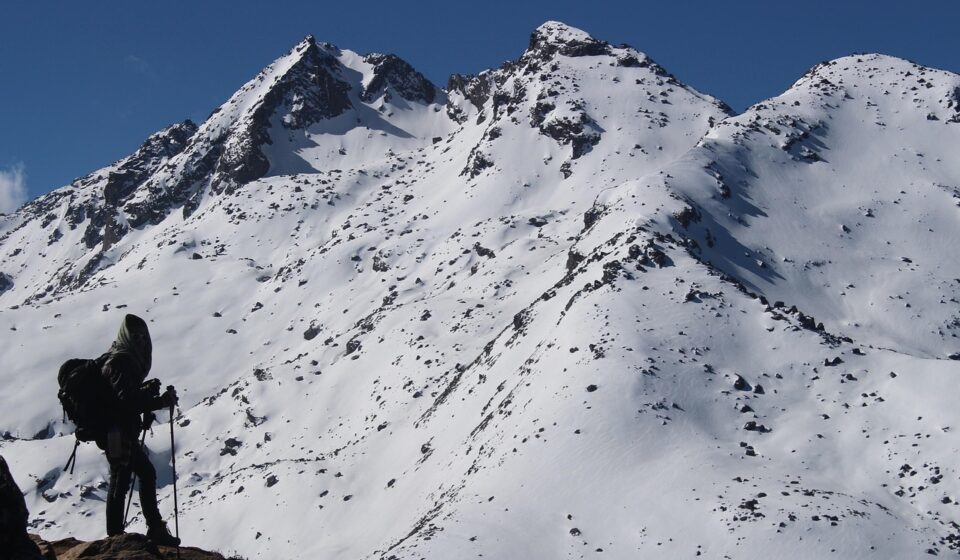

The first time Sarah considered the Kasol Kheerganga trek, she pictured serene mountain views and rejuvenating hot springs. What she didn’t anticipate was the initial overwhelm of choosing the right season, packing smart, and understanding the nuances of a Himalayan trail. Many aspiring trekkers share this sentiment, eager for adventure but unsure how to plan it.
Last updated: June 30, 2026
The Kasol Kheerganga Trek, nestled in Himachal Pradesh’s stunning Parvati Valley, offers a perfect blend of natural beauty, spiritual significance, and moderate physical challenge. It’s a journey that culminates in a mythical hot spring, promising both adventure and relaxation. As of June 2026, it remains one of India’s most sought-after short treks, attracting thousands with its captivating landscapes and therapeutic waters.
Key Takeaways
- The Kasol Kheerganga Trek is a 12-14 km journey through the Parvati Valley, leading to natural hot springs at an altitude of approximately 3000 meters.
- The best time to undertake the trek is from May to June and September to November, avoiding the monsoon and heavy winter snow.
- Budget for ₹1,500-₹4,000 per person for a 2-day trek, excluding major travel, depending on guide, accommodation, and food choices.
- Essential packing includes sturdy trekking shoes, layered clothing, rain gear, a first-aid kit, and sufficient water/snacks.
- Responsible trekking practices, like ‘Leave No Trace,’ are crucial to preserve the fragile Himalayan ecosystem.
Kasol Kheerganga Trek: A Himalayan Gem
The Kasol Kheerganga Trek is a popular, relatively moderate trail leading to the sacred hot springs of Kheerganga, located at an altitude of approximately 3,000 meters (9,842 feet) in the picturesque Parvati Valley. This trek is renowned for its stunning panoramic views of the Himalayas, dense pine forests, and charming villages.
It draws adventurers and spiritual seekers alike, offering a unique blend of physical challenge and serene natural beauty. The trek typically spans 12-14 kilometers from its common starting points, making it an ideal choice for a weekend getaway or a quick Himalayan escape. According to Himachal Pradesh Tourism data from 2025, Kheerganga was among the top five short trekking destinations in the state, experiencing a significant uptick in visitor numbers post-pandemic.
The destination holds mythological significance, believed to be the meditation spot of Lord Shiva. The natural hot springs at the summit are not just a reward for the arduous climb but are also considered to have therapeutic properties, making them a major draw for trekkers. [IMAGE alt=”Overhead view of Kheerganga hot springs with trekkers bathing” caption=”The natural hot springs at Kheerganga offer a relaxing reward after the trek, drawing visitors for their scenic beauty and therapeutic reputation.” loading=”lazy”]
Planning Your Kheerganga Adventure: Step-by-Step
Effective planning is key to a safe and enjoyable Kasol Kheerganga Trek. Start by determining your trek dates, ideally aligning with the best weather windows. Consider whether you prefer a guided tour or a self-planned journey, as this impacts logistics significantly.
Step 1: Choose Your Trek Dates. Aim for May-June or September-November to avoid monsoon rains and heavy snow. Check local weather forecasts for Kasol and Barshaini a week before departure.
Step 2: Book Transportation to Kasol. Kasol is the base. Options include overnight buses from Delhi or Chandigarh, or flying to Kullu-Manali Airport (Bhuntar) and taking a taxi/bus. Booking well in advance, especially during peak season, is crucial as of June 2026.
Step 3: Decide on Your Trekking Style. Will you hire a local guide, join a group tour, or trek independently? Guides offer local insights and safety, while independent trekking provides more flexibility but requires careful preparation.
Step 4: Prepare Your Gear and Fitness. Assemble your packing list and start a basic fitness regimen (walking, light cardio) a few weeks prior. This helps acclimate your body to the climb.
Step 5: Plan Accommodation. Book stays in Kasol for the night before and after the trek. At Kheerganga, basic guesthouses and tented accommodations are available, often booked on arrival, but pre-booking is advised during peak periods.
Navigating the Kheerganga Trek Route: Detailed Guide
The primary starting point for the Kheerganga Trek is Barshaini, a small village located about 16 km from Kasol. From Barshaini, trekkers have a couple of route options, each offering a slightly different experience.
Most trekkers take a shared taxi or bus from Kasol to Barshaini. From Barshaini, there are two main paths to Kheerganga. The most common route passes through Nakthan Village, offering a relatively gradual ascent through forests and alongside the Parvati River. This path is well-marked and takes approximately 4-6 hours.
Alternatively, a slightly longer but equally scenic route goes via Tosh Village. This route often involves an initial climb to Tosh, followed by a descent and then an ascent to Kheerganga. While both routes are beautiful, the Nakthan route is generally preferred by first-timers due to its clearer path and more consistent incline. Always carry a map or use an offline GPS application, as mobile network coverage can be sporadic. [IMAGE alt=”Detailed map showing Kasol, Barshaini, Nakthan, and Tosh villages with marked trekking routes to Kheerganga” caption=”Visualize your journey: A detailed map illustrating the different routes from Barshaini (via Nakthan or Tosh) to the Kheerganga summit.” loading=”lazy”]
Best Time to start the Kheerganga Adventure
Choosing the right season significantly impacts your Kasol Kheerganga Trek experience, influencing trail conditions, weather, and crowd levels. The Parvati Valley experiences distinct seasons, each with its charm and challenges.
The ideal windows are from May to June and September to November. During May and June, the weather is pleasant, with clear skies and comfortable daytime temperatures ranging from 15-25°C. The trails are mostly dry, and flora is in full bloom. This is also peak tourist season, so expect more crowds and slightly higher prices.
From September to November, the post-monsoon period offers crisp air, clear visibility, and lush green landscapes. Temperatures range from 10-20°C, cooling considerably by November. This is often considered the most picturesque time, though temperatures can drop sharply, especially at night. Avoid the monsoon months (July-August) due to slippery trails, landslides, and leech infestations, and winter (December-April) due to heavy snowfall making the trek challenging or inaccessible. According to local guides in June 2026, the shoulder seasons provide the best balance of good weather and fewer trekkers.
Understanding Kasol Kheerganga Trek Costs and Packages
The overall cost of the Kasol Kheerganga Trek can vary widely based on your travel style, duration, and chosen amenities. Understanding the breakdown helps in budgeting effectively for your 2026 trip.
A basic 2-day, 1-night trek from Kasol to Kheerganga can range from ₹1,500 to ₹4,000 per person, excluding your travel to and from Kasol. This typically covers accommodation (tents or basic guesthouses), simple meals at Kheerganga, and sometimes a local guide. If you opt for an organized package from major cities, costs can be higher, often including transportation, all meals, and permits.
Individual expenses to consider include bus/taxi fares to Kasol (e.g., a one-way bus from Delhi can be ₹800-₹1,500 as of 2026), local transport from Kasol to Barshaini (₹50-₹100), guide fees (₹1,000-₹2,000 per day if hired individually), food expenses (₹200-₹500 per meal), and accommodation in Kasol (₹500-₹1,500 per night). Entry fees or specific permits are generally not required for Kheerganga itself, but always verify current regulations. Many budget-conscious trekkers opt for a DIY approach, which can significantly reduce costs if accommodation and food are sourced locally.
What to Pack: Essential Gear for the Kheerganga Trek
Packing smart for the Kasol Kheerganga Trek can make a significant difference in your comfort and safety. Overpacking leads to unnecessary strain, while under-packing can leave you unprepared for changing weather.
Footwear: Invest in sturdy, waterproof trekking shoes with good ankle support. Carrying an extra pair of comfortable sandals or flip-flops for camp is also wise. Clothing: Layering is key. Pack thermal wear (for colder months), quick-dry t-shirts, a fleece jacket, and a waterproof/windproof outer shell. Even in summer, evenings can be chilly at altitude. Essentials: A headlamp or flashlight, power bank, personal toiletries, sunscreen, insect repellent, and a small towel are crucial. Don’t forget a basic first-aid kit with pain relievers, antiseptic wipes, bandages, and any personal medications. Hydration & Nutrition: Carry a reusable water bottle (refill points are available but not always reliable), and some energy bars or dry fruits. A lightweight backpack (30-40 litres) is ideal to carry your essentials. [IMAGE alt=”Flat lay of essential trekking gear for Kheerganga including backpack, hiking boots, water bottle, and first-aid kit” caption=”A visual guide to your essential packing list for the Kasol Kheerganga Trek, ensuring you’re prepared for any condition.” loading=”lazy”]
Common Challenges and How to Overcome Them
Even a moderate trek like Kasol Kheerganga can present challenges, especially for those new to Himalayan adventures. Anticipating these can help you mitigate risks and enjoy the journey.
Unpredictable Weather: Mountain weather can change rapidly. A sunny morning can turn into a rainy afternoon. Always pack rain gear, regardless of the forecast, and check multiple weather apps. Altitude Sickness: While Kheerganga’s altitude is not extreme, some trekkers might experience mild symptoms like headaches or nausea. Stay hydrated, ascend gradually, and listen to your body. don’t push yourself if symptoms worsen. Slippery Trails: Especially during or after rainfall, trails can become muddy and treacherous. Wear appropriate footwear with good grip and use trekking poles for stability. Lack of Connectivity: Mobile network coverage is patchy beyond Kasol. Inform family/friends of your itinerary and expected return, and carry an offline map. Waste Management: Litter is a growing concern. Carry a separate bag for your waste and dispose of it responsibly in designated bins back in Kasol or Barshaini.
Experiencing the Therapeutic Kheerganga Hot Springs
The natural hot springs at Kheerganga are more than just a scenic attraction; they are deeply ingrained in local culture and offer genuine therapeutic benefits after a long trek. The water, rich in sulfur, is believed to alleviate muscle aches and skin ailments.
Upon reaching the summit, the sight of steam rising from the springs, set against the backdrop of snow-capped peaks, is truly magical. There are separate bathing areas for men and women. The water temperature is consistently warm, providing immense relief to tired muscles. Many trekkers describe the experience as rejuvenating, a perfect way to conclude the day’s hike. This unique geological phenomenon, combined with its spiritual significance, makes the Kheerganga hot springs a highlight that distinguishes this trek from many others in the region. According to local folklore, the milky appearance of the water gave Kheerganga (meaning ‘milky river’) its name.
Sustainable Trekking: Leave No Trace in Parvati Valley
As the popularity of the Kasol Kheerganga Trek grows, so does the importance of practicing responsible tourism. Adhering to ‘Leave No Trace’ principles ensures the pristine beauty of the Parvati Valley is preserved for future generations.
This means packing out everything you pack in, including all trash and food waste. Avoid disturbing wildlife or damaging plant life. Stick to marked trails to prevent erosion and respect local culture by maintaining appropriate behavior and dress, especially near religious sites. Avoid using single-use plastics and opt for reusable alternatives. The increasing number of visitors has put a strain on the local environment, making individual actions more critical than ever. According to a 2026 report by the Himachal Pradesh Department of Environment, Science & Technology, improper waste disposal is a significant challenge in popular trekking routes, emphasizing the need for greater trekker awareness.
Real Trekking Scenarios and Insights
Understanding real-world scenarios can help you prepare more effectively for your Kasol Kheerganga Trek. Consider two common approaches: the solo budget trekker and the group adventurer.
Take Rohan, a solo traveler in June 2026. He planned his trip to Kasol via public bus from Delhi, then took a local taxi to Barshaini. He carried his own tent and cooking gear to save on accommodation and food at Kheerganga. His main challenge was navigating a slightly less-marked trail section near Nakthan after a brief shower, which was easily overcome with an offline map and asking locals. His insight: being self-sufficient offers flexibility but demands thorough preparation and navigation skills.
In contrast, Priya and her friends booked a 2-day guided package from a Delhi-based operator. Their transport, guide, meals, and tent stay were all pre-arranged. While this meant less planning stress, they had to adhere to the group’s pace. Their insight: guided tours offer convenience and safety, especially for first-timers or groups, but may limit spontaneity. Both experiences, though different, led to a rewarding encounter with the Kheerganga hot springs.
DIY Trek vs. Guided Tour: A Comparison
Deciding between a self-organized (DIY) trek and a guided tour is a common dilemma for those planning the Kasol Kheerganga Trek. Each option offers distinct advantages and drawbacks, catering to different preferences and experience levels.
| Feature | DIY Trek | Guided Tour |
|---|---|---|
| Cost (as of June 2026) | Lower (₹1,500-₹2,500) | Higher (₹2,500-₹5,000+) |
| Flexibility | High (set your own pace, route, stops) | Moderate (fixed itinerary, group pace) |
| Planning Effort | High (transport, accommodation, food, navigation) | Low (most logistics handled) |
| Safety & Support | Relies on personal preparedness | Local guide expertise, group assistance |
| Social Interaction | Optional (meet fellow trekkers) | Built-in (trek with a group) |
While a DIY approach offers significant cost savings and freedom, it demands meticulous planning and self-reliance. Guided tours, on the other hand, provide peace of mind and local expertise, making them a popular choice for beginners or those seeking a hassle-free experience. Consider your budget, experience, and desired level of independence when making your choice.
Pros and Cons of Trekking Kheerganga in Different Seasons
The choice of season for your Kasol Kheerganga Trek profoundly influences the trail conditions, accessibility, and overall enjoyment. Each period presents its unique set of advantages and challenges.
Pros
- Spring/Early Summer (May-June): Pleasant weather, blooming flora, vibrant green landscapes, longer daylight hours.
- Autumn (September-November): Clear skies, crisp air, excellent visibility for panoramic views, lush post-monsoon greenery, fewer leeches.
- Winter (December-March): Snow-covered landscapes, tranquil and serene (if accessible), unique challenge for experienced trekkers.
Cons
- Spring/Early Summer (May-June): Higher crowds, potentially higher prices for accommodation and guides, occasional pre-monsoon showers.
- Autumn (September-November): Rapid temperature drops, especially at night, shorter daylight hours by late autumn.
- Winter (December-March): Heavy snowfall often blocks trails, requiring specialized gear and expertise, very cold temperatures, limited facilities.
While the shoulder seasons (May-June, Sept-Nov) are generally recommended for their balanced conditions, a winter trek offers unparalleled solitude and beauty, albeit with significantly higher risks and logistical hurdles. Always check current weather and trail conditions with local authorities or guides before planning a winter trek.
Frequently Asked Questions
How difficult is the Kasol Kheerganga Trek?
The Kasol Kheerganga Trek is generally considered moderate. The trail involves a continuous uphill climb, but it’s not overly steep or technical. Beginners with a reasonable fitness level can complete it, though they might find it tiring. Regular walking or light cardio before the trek is recommended to enhance endurance.
What is the best way to reach Kasol for the trek?
The most common way to reach Kasol is by overnight bus from major cities like Delhi or Chandigarh. Alternatively, you can fly to Kullu-Manali Airport (Bhuntar), which is about 31 km from Kasol, and then take a taxi or local bus. Direct buses to Kasol are readily available.
Are there accommodation options at Kheerganga?
Yes, at the Kheerganga summit, there are basic guesthouses, dhabas (eateries), and tented accommodations. These are usually simple and functional, providing mattresses and blankets. During peak season, it’s advisable to reach earlier in the day to secure a spot, as pre-booking is not always possible for all options.
Is it safe to trek Kheerganga alone?
While many experienced trekkers do Kheerganga solo, it’s generally recommended to trek with a companion or a local guide, especially if you are a first-timer or unfamiliar with mountain trails. The path is well-defined, but weather can change quickly, and limited network connectivity can be a concern for lone trekkers.
What makes the Kheerganga hot springs special?
The Kheerganga hot springs are special due to their natural warmth, believed therapeutic properties (sulfur-rich water), and mythological significance as Lord Shiva’s meditation spot. They offer a unique and refreshing experience, providing a soothing reward amidst the stunning Himalayan landscape after the arduous hike.
Are there any permits required for the Kasol Kheerganga Trek?
As of June 2026, there are no specific permits required for the Kasol Kheerganga Trek itself. However, it’s always good practice to carry a valid ID. If you plan to visit nearby restricted areas like Malana, separate permits or permissions might be necessary, so check local regulations if your itinerary extends beyond Kheerganga.
Conclusion: Your Kheerganga Journey Awaits
The Kasol Kheerganga Trek truly offers an unforgettable Himalayan experience, combining adventure, natural beauty, and spiritual tranquility. From the vibrant culture of Kasol to the rejuvenating hot springs at the summit, every step of the journey is rewarding. By planning thoughtfully, preparing adequately, and practicing responsible trekking, you can ensure a safe and memorable trip in 2026.
Embrace the challenge, soak in the stunning vistas, and allow the serenity of the Parvati Valley to refresh your spirit. Your Kasol Kheerganga adventure is more than just a trek; it’s an immersion into the heart of the Himalayas. For detailed packing lists and other regional guides, see Kasol Kheerganga Trek 2026: Your Essential Guide to a Himalayan Adventure.
Last reviewed: June 2026. Information current as of publication; pricing and product details may change.