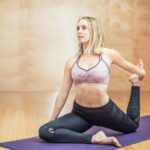
Sarah, a dedicated runner, found her usual morning jog felt different by week 10 of her pregnancy. Her energy dipped, and a growing belly made her question every stride. Understanding how to adapt your fitness routine during pregnancy isn’t just about safety; it’s about optimizing well-being for both mother and baby, ensuring a healthier journey. This article aims to help you exercise during pregnancy, providing essential knowledge and practical tips for 2026.
Key Takeaways
- Most pregnant individuals can and should engage in moderate-intensity exercise for at least 150 minutes weekly.
- Listen to your body, avoid overheating, and stay well-hydrated throughout your workout sessions.
- Modify exercises to accommodate your changing body, especially as your pregnancy progresses and balance shifts.
- Warning signs like pain, bleeding, or dizziness require immediate cessation of exercise and medical consultation.
- Consult your healthcare provider before starting or significantly altering any exercise regimen during pregnancy.
The Undeniable Benefits of Prenatal Exercise
2222222
Regular physical activity during pregnancy offers a host of advantages for both the expectant parent and the developing baby. These benefits extend beyond just physical well-being, influencing mental and emotional health too.
For the mother, exercise can significantly reduce common pregnancy discomforts like back pain, constipation, and swelling. It also improves mood, reduces stress, and can enhance sleep quality, which is often elusive during pregnancy, as noted by Forbes in June 2026 regarding comfortable sleep during this period. [IMAGE alt=”Pregnant woman stretching gently, illustrating improved mood and flexibility” caption=”Gentle stretching can alleviate common pregnancy discomforts and improve mood.” loading=”lazy”]
Furthermore, engaging in prenatal exercise lowers the risk of gestational diabetes and preeclampsia. According to the Centers for Disease Control and Prevention (CDC) 2025 guidelines, consistent physical activity contributes to better blood sugar control and cardiovascular health, critical factors given the rising pregnancy-linked heart disease risks reported by WZZM13.com in June 2026. For the baby, studies suggest active mothers may have healthier birth weights and improved neurodevelopmental outcomes.
Current Guidelines for Safe Pregnancy Workouts in 2026
2222222
Most pregnant individuals can safely engage in at least 150 minutes of moderate-intensity aerobic activity each week. This recommendation, consistent with guidelines from the American College of Obstetricians and Gynecologists (ACOG) as of June 2026, applies to those without medical contraindications.
Moderate intensity means you can talk but not sing during the activity. Incorporate muscle-strengthening exercises on two or more days a week, targeting major muscle groups. This might include light weights, resistance bands, or body weight exercises.
These guidelines aren’t just for seasoned athletes; even those new to exercise can start gradually. Begin with 10-minute sessions and slowly increase duration. Consistency is more important than intense bursts of activity. The key is to listen to your body and adjust as needed.
Safe Exercises During Pregnancy: Adapting Your Routine
2222222
Many forms of exercise remain safe and beneficial throughout pregnancy, provided they are modified appropriately. Low-impact activities are generally preferred to minimize joint stress and fall risk.
Walking is an excellent, accessible option. Swimming and water aerobics are particularly good as the water supports your body weight, reducing strain on joints and ligaments. Prenatal yoga and Pilates focus on strengthening the core, improving flexibility, and teaching breathing techniques useful for labor.
Stationary cycling is another safe alternative, especially as balance becomes more challenging. If you lifted weights before pregnancy, you can often continue, but reduce the weight and focus on higher repetitions, avoiding heavy lifting or exercises that require holding your breath.
Exercises to Avoid During Pregnancy and Why
2222222
While most activities are safe, certain exercises pose risks to both mother and baby and should be avoided. These typically involve a high risk of falling, abdominal trauma, or overheating.
Avoid contact sports like basketball, soccer, or hockey. Activities with a high risk of falling, such as horseback riding, downhill skiing, or gymnastics, should also be paused. Scuba diving is contraindicated due to the risk of decompression sickness for the baby.
Exercises that involve lying flat on your back for extended periods (especially after the first trimester) can compress a major blood vessel, the vena cava, reducing blood flow to the uterus. Similarly, avoid activities that involve extensive jumping, bouncing, or sudden changes in direction, which can strain ligaments already loosened by pregnancy hormones.
Navigating Physical Changes and Making Exercise Modifications
2222222
Pregnancy brings significant physiological changes that directly impact your ability to exercise. Hormonal shifts, particularly relaxin, loosen ligaments, making joints more susceptible to injury. Your center of gravity shifts, affecting balance, and your growing uterus displaces organs and strains abdominal muscles.
As your belly expands, modify exercises to prevent discomfort or injury. For example, instead of traditional crunches, opt for standing core exercises or pelvic tilts to support your back and engage deeper abdominal muscles. When performing squats, widen your stance and avoid going too deep if it causes discomfort. [IMAGE alt=”Diagram showing modified squat position for pregnant women with wider stance” caption=”Modifying common exercises like squats by widening your stance can improve comfort and safety.” loading=”lazy”]
For exercises traditionally performed lying on your back, such as bench presses, switch to an incline bench or perform them standing. Hydration is also paramount; always carry water and drink before, during, and after exercise to prevent overheating, especially during warmer months, as highlighted by Time Magazine’s June 2026 report on heatwaves.
Common Mistakes in Pregnancy Fitness and How to Prevent Them
2222222
Many expectant parents are eager to stay active but can inadvertently make mistakes that hinder their progress or safety. One common error is ignoring warning signs. Pushing through pain or discomfort can lead to injury. Instead, treat any unusual symptom as a signal to stop and assess.
Another mistake is neglecting the pelvic floor. While core strength is important, the pelvic floor often gets overlooked. Incorporate Kegel exercises and focus on proper breathing techniques during exertion to protect this vital muscle group. Consult for a deeper dive into pelvic floor health.
Overtraining or undereating is also a pitfall. Pregnancy requires more energy, and intense workouts without adequate calorie intake can be detrimental. Fuel your body appropriately and prioritize rest. The goal is consistent, moderate activity, not setting personal bests. Moreover, failing to adjust as pregnancy progresses can lead to discomfort. What felt fine in the first trimester might be challenging by the third; flexibility in your routine is key.
When to Pause or Stop: Recognizing Warning Signs
2222222
Understanding when to stop exercising is as crucial as knowing what exercises to do. Your body will send clear signals if something is amiss. Pay close attention to these warning signs and stop immediately if you experience any of them.
Common warning signs include vaginal bleeding, fluid leaking from the vagina, regular painful contractions, sudden swelling in the ankles, hands, or face, and persistent headaches. Other red flags are chest pain, calf pain or swelling, muscle weakness affecting balance, and dizziness or feeling faint. According to ACOG, these symptoms warrant immediate medical attention.
Never try to push through these symptoms. Your health and your baby’s health are the top priority. Rest, rehydrate, and contact your healthcare provider for guidance. It’s better to be overly cautious than to risk complications.
Building Your Personalized Pregnancy Fitness Plan
2222222
Creating a personalized plan for exercising while pregnant requires thoughtful consideration of your pre-pregnancy fitness level, current health, and trimester. Begin by discussing your intentions with your doctor or midwife to ensure there are no underlying conditions that would contraindicate exercise.
Exercise Intensity Guidelines
Last updated: June 30, 2026
| Intensity Level | Perceived Exertion (RPE 6-20 Scale) | Talk Test Indicator |
|---|---|---|
| Light | 9-11 | Can sing comfortably |
| Moderate | 12-14 | Can talk, but not sing |
| Vigorous | 15-18 | Can speak only a few words |
Start slowly, especially if you’re new to exercise. For example, if you weren’t active before, aim for 10–15 minutes of brisk walking three times a week, gradually building up to the recommended 150 minutes of moderate activity. If you were active, you can generally continue your routine with modifications, reducing intensity as needed. [IMAGE alt=”Infographic displaying a weekly exercise schedule for pregnancy with varied activities” caption=”A balanced weekly exercise schedule often includes a mix of aerobic and strength training activities.” loading=”lazy”]
As you progress through trimesters, your body’s needs will change. Focus on maintaining strength and flexibility rather than increasing performance. Consider incorporating specialized prenatal classes, which offer tailored exercises and a supportive community. Remember, consistency and safety are paramount in any pregnancy fitness regimen. For nutritional considerations to support your activity, explore .
Frequently Asked Questions About Pregnancy Exercise
Can I start exercising during pregnancy if I wasn’t active before?
Yes, most healthy pregnant individuals can start a new, moderate exercise program. Begin with low-impact activities like walking or swimming for short durations, gradually increasing as your stamina improves. Always consult your healthcare provider first to ensure it’s safe for your specific circumstances.
How do I know if I’m overdoing it during my workout?
Signs of overexertion include feeling dizzy or lightheaded, chest pain, shortness of breath, vaginal bleeding, or contractions. A good indicator of appropriate intensity is the ‘talk test’: you should be able to hold a conversation while exercising, but not sing.
Are abdominal exercises safe while pregnant?
Traditional crunches and sit-ups should be avoided, especially after the first trimester, due to potential pressure on the linea alba and vena cava. Focus on core-strengthening exercises like pelvic tilts, bird-dog, or standing abdominal braces, which support the back and engage deeper core muscles safely.
Will exercise help with labor and delivery?
Absolutely. Regular exercise can strengthen muscles used during labor, improve stamina, and enhance your ability to cope with pain. It also helps with postpartum recovery, making it easier to regain strength and manage energy levels after birth.
What about high-intensity interval training (HIIT)?
If you were already doing HIIT before pregnancy and your doctor approves, you may be able to continue with significant modifications. However, it’s crucial to reduce intensity, shorten intervals, increase rest periods, and avoid exercises that involve jumping or lying flat on your back. Always prioritize safety over intensity.
Is it safe to exercise in hot weather while pregnant?
Exercising in hot, humid conditions increases the risk of overheating, which can be dangerous. If you must exercise outdoors, choose cooler times of day, wear loose-fitting clothing, and stay exceptionally well-hydrated. Consider moving your workouts indoors to an air-conditioned environment when temperatures rise.
Last reviewed: June 2026. Information current as of publication; pricing and product details may change.