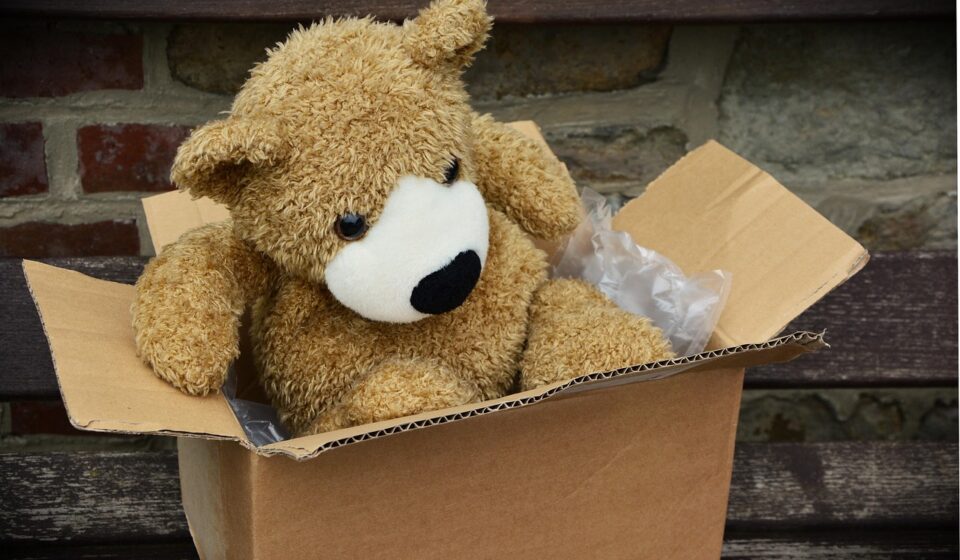

A growing e-commerce business in early 2026 struggled with damaged shipments and escalating freight costs, despite using what they thought were ‘standard’ shipping boxes. The issue wasn’t the boxes themselves, but a fundamental misunderstanding of cardboard box packaging and its strategic role. It’s a common pitfall for many businesses, overlooking the critical impact of packaging choices on everything from product integrity to customer satisfaction and profit margins.
Last updated: June 13, 2026
Key Takeaways
- Corrugated cardboard, not just ‘cardboard,’ is the standard for shipping, offering superior strength.
- Choosing the right box involves considering material type, flute profile, and burst strength or ECT rating.
- Sustainable packaging options, including recycled content and efficient design, are crucial for 2026.
- Custom cardboard boxes enhance brand perception, optimize space, and improve product protection.
- Strategic packaging decisions can significantly reduce shipping costs and improve customer satisfaction.
Cardboard box packaging is far more than just a container; it’s a protective shield, a brand ambassador, and a key component of your supply chain. Understanding its intricacies allows businesses to optimize logistics, minimize damage, and even reduce environmental impact. This deep dive into the world of packaging will equip you with the knowledge to make informed decisions for your operations as of June 2026.
Understanding Cardboard Box Packaging: Beyond the Basics
When most people say ‘cardboard box,’ they are typically referring to corrugated fiberboard boxes. True cardboard, like that used in cereal boxes, is too flimsy for shipping and heavy-duty storage. Corrugated packaging, on the other hand, consists of three layers: an inside liner, an outside liner, and a fluted (wavy) medium sandwiched between them. This construction provides exceptional strength and cushioning.
This layered structure is what gives corrugated boxes their durability, making them ideal for protecting goods during transit and storage. The air columns within the flutes also offer insulation, which can be beneficial for certain products. Understanding this fundamental difference is the first step toward effective packaging decisions.
Practical Insight: Always specify ‘corrugated boxes’ when sourcing packaging for shipping or heavy-duty applications to ensure you receive a product capable of withstanding logistical stresses. Simple ‘cardboard’ implies paperboard, which is not suitable for most commercial shipping.
The Core Types of Corrugated Cardboard Boxes for 2026
Corrugated boxes come in various types, primarily distinguished by the number of walls and the flute size. Single-wall, double-wall, and triple-wall constructions offer increasing levels of strength for different protection needs.
Flute profiles, designated by letters like A, B, C, E, and F, determine the board’s thickness, stacking strength, and printability. A-flute offers excellent cushioning, while E-flute provides a smooth surface ideal for high-quality graphics and smaller retail packaging. C-flute is the most common for general shipping.
Example: A company shipping delicate ceramics might opt for double-wall corrugated with A-flute for maximum cushioning, whereas an apparel brand could use single-wall C-flute boxes for cost-effective, general shipping. Retail-ready packaging often uses E-flute for a crisp, attractive finish.
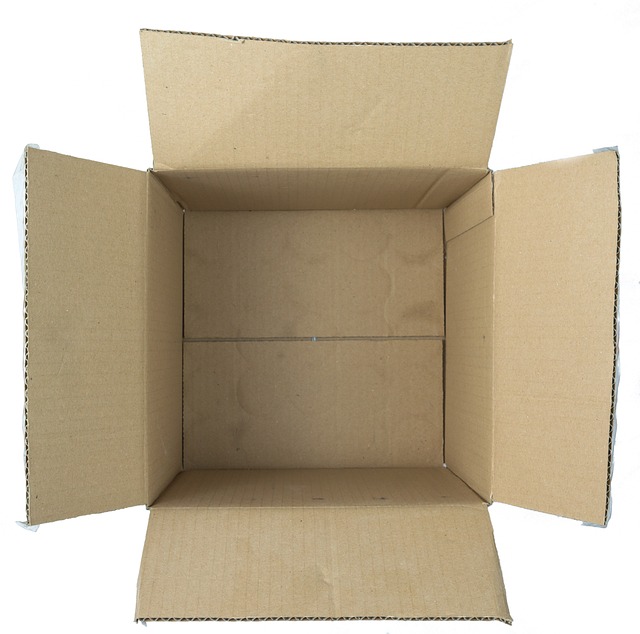
Choosing the Right Strength and Flute Size for Your Needs
Selecting the appropriate strength for your cardboard box packaging is crucial for preventing damage and optimizing costs. Box strength is typically measured by either the Bursting Test (BT) or the Edge Crush Test (ECT), with ECT being the more common standard as of 2026.
The ECT measures the stacking strength of a box, indicating how much weight it can withstand before crushing. A 32 ECT box, for instance, means the corrugated board can withstand 32 pounds per inch of crushing force. The required ECT depends heavily on the weight of your product and how it will be stacked during shipping and storage.
Practical Insight: For heavy or stackable items, prioritize a higher ECT rating. Lighter, more fragile items may benefit more from greater cushioning (larger flute size) than sheer stacking strength. Over-specifying strength leads to unnecessary costs, while under-specifying risks product damage.
Sustainable Cardboard Packaging: An Essential for Modern Businesses
Sustainability is no longer a niche concern but a mainstream expectation for cardboard box packaging in 2026. Consumers and businesses alike are demanding eco-friendly options, driving innovations in recycled content, recyclability, and waste reduction.
Many corrugated boxes are made from a high percentage of recycled fibers and are fully recyclable after use. Businesses are also exploring designs that minimize material use, such as right-sized packaging that reduces void fill. According to the Fibre Box Association (FBA) 2025 data, corrugated packaging continues to boast a high recovery rate for recycling, making it a leading choice for environmental responsibility.
Example: A brand might choose boxes made from 100% post-consumer recycled content, printed with water-based inks, and designed to flat-pack for easier recycling by the end-user. This complete approach signals a strong commitment to environmental stewardship.

Custom Cardboard Box Packaging: Branding and Protection
While standard box sizes are cost-effective for generic items, custom cardboard boxes offer significant advantages, especially for unique products or strong branding. Custom packaging ensures a snug fit, reducing the need for excessive void fill and offering superior product protection.
Beyond protection, custom boxes are powerful branding tools. With bespoke printing, colors, and structural designs, they create a memorable unboxing experience that reinforces brand identity. This can be particularly impactful in the competitive e-commerce landscape.
Practical Insight: Investing in custom box packaging can differentiate your brand, reduce shipping damage, and sometimes even lower shipping costs by minimizing dimensional weight. Consider the unboxing experience as a marketing opportunity, not just a logistical necessity.
Optimizing Your Shipping Strategy: Cost and Efficiency Considerations
Effective cardboard box packaging plays a direct role in controlling shipping costs and improving operational efficiency. Over-sized boxes lead to higher dimensional weight charges, while poorly protected items result in costly returns and replacements.
Right-sizing your packaging to match your product’s dimensions precisely is paramount. This minimizes wasted space, reduces the amount of void fill needed, and lowers shipping expenses. Consolidating multiple items into a single, appropriately sized box also contributes to cost savings and reduces the number of packages handled.
Experience: Having advised numerous e-commerce startups on their fulfillment strategies, we often see businesses overlook the cumulative cost of using generic, slightly-too-large boxes. Even a few inches difference across thousands of shipments can add up to substantial annual savings, especially with carriers’ dimensional weight calculations as of 2026. For a deeper dive into shipping cost reduction, explore Dive Into Django: Building Robust Web Apps With Python in 2026.
How to Select the Ideal Cardboard Box Supplier
Choosing the right supplier for your cardboard box packaging is as critical as selecting the boxes themselves. A good supplier offers not just competitive pricing but also consistency in quality, reliable lead times, and valuable expertise.
Look for suppliers who can provide a range of options, from standard sizes to custom solutions, and who understand your specific industry needs. Customer service, minimum order quantities (MOQs), and their commitment to sustainable practices should also factor into your decision. Always request samples to assess material quality firsthand.
Practical Insight: Establish clear communication channels with potential suppliers regarding your product’s specifications, shipping environment, and branding requirements. A supplier who acts as a partner, offering advice on optimal materials and designs, is invaluable.
Selecting the Right Cardboard Box Packaging: A Step-by-Step Guide
Making informed choices about your packaging can feel overwhelming, but a structured approach simplifies the process. Here’s a guide to help you select the ideal cardboard box packaging for your needs.
- Assess Product Characteristics: Determine the item’s weight, dimensions, fragility, and any special requirements like temperature sensitivity. Heavy or fragile items will need stronger, more protective packaging.
- Consider Shipping Environment: Will the package endure long-distance shipping, multiple transfers, or varying climates? This impacts the required strength and material durability.
- Calculate Internal Dimensions: Measure your product accurately. The box’s internal dimensions should closely match the product, allowing for minimal void fill and preventing movement.
- Determine Required Box Strength (ECT/Burst Test): Based on product weight and stacking needs, choose an appropriate ECT or Burst Test rating. Consult carrier guidelines for maximum weight limits.
- Select Flute Type: Choose a flute profile (A, B, C, E, F) that balances cushioning, stacking strength, and print quality according to your priorities.
- Evaluate Material Sustainability: Prioritize boxes made from recycled content and those that are easily recyclable. Consider eco-friendly inks and adhesives for branding.
- Factor in Branding and Aesthetics: Decide if custom printing or structural design is necessary to enhance your brand’s presence and the customer’s unboxing experience.
- Source and Test Samples: Obtain samples from potential suppliers and conduct drop tests or simulated shipping to ensure the packaging performs as expected before committing to a large order.
Real-World Cardboard Packaging Use Cases
The versatility of cardboard box packaging is evident across diverse industries. For example, a gourmet food subscription service relies on custom-designed, double-wall E-flute boxes. These boxes not only protect delicate food items but also feature high-quality print that reinforces the brand’s premium image and enhances the unboxing experience.
In contrast, an industrial manufacturer shipping heavy machinery parts might use triple-wall corrugated boxes with a very high ECT rating (e.g., 90 ECT). These strong boxes are designed to withstand extreme stacking pressures and rough handling during freight shipping, often replacing wooden crates for lighter, more cost-effective solutions. The specific application dictates the optimal packaging choice.
Corrugated Packaging Options: A Comparison
| Feature | Single-Wall Corrugated | Double-Wall Corrugated | Triple-Wall Corrugated |
|---|---|---|---|
| Layers | 3 (2 liners, 1 flute) | 5 (3 liners, 2 flutes) | 7 (4 liners, 3 flutes) |
| Strength | Good for light to moderate items | Excellent for heavy or fragile items | Superior for very heavy, bulk goods |
| Cushioning | Moderate | High | Very High |
| Stacking Strength | Moderate | High | Highest |
| Common ECT/Burst | 23-32 ECT / 125-200# | 42-55 ECT / 200-275# | 61-90 ECT / 350-1100# |
| Typical Use | Apparel, books, general e-commerce | Electronics, ceramics, heavier e-commerce | Industrial parts, large appliances, bulk shipping |
Pros of Strategic Cardboard Box Packaging
- Enhanced Product Protection: Reduces damage during transit and storage.
- Cost Efficiency: Right-sized boxes minimize dimensional weight charges and void fill.
- Brand Reinforcement: Custom printing creates a memorable unboxing experience.
- Sustainability: High recyclability and use of recycled content aligns with eco-conscious values.
- Versatility: Wide range of strengths and sizes for diverse product needs.
Cons of Generic Cardboard Box Packaging
- Increased Shipping Costs: Over-sized boxes lead to higher freight expenses.
- Product Damage Risk: Inadequate strength or cushioning results in returns and replacements.
- Negative Brand Perception: Poorly chosen packaging can reflect badly on product quality.
- Environmental Waste: Excessive void fill or non-recyclable components contribute to landfills.
- Limited Customization: Standard boxes offer little opportunity for brand differentiation.
Common Mistakes to Avoid in Cardboard Packaging
Many businesses make easily avoidable errors that compromise their packaging effectiveness and profitability. A frequent mistake is using ‘one-size-fits-all’ boxes. While convenient, this often leads to excessive void fill, increased shipping costs due to dimensional weight, and inadequate protection for irregularly shaped items.
Another pitfall is neglecting the quality of sealing tape. Even the strongest box can fail if the tape isn’t strong enough for the weight and stresses of shipping. Similarly, underestimating the importance of internal packaging—like bubble wrap, foam inserts, or packing peanuts—for fragile items can lead to significant damage claims.
Solution: Conduct regular packaging audits to identify inefficiencies and areas for improvement. Invest in a variety of box sizes or explore custom options. Always use high-quality, appropriate sealing tape and void fill materials suited to your product’s fragility and weight.
Expert Tips for Optimizing Your Packaging
Beyond the basics, a few expert tips can further refine your cardboard box packaging strategy. Consider consolidating suppliers to gain better bulk pricing and consistency. For seasonal peaks, pre-order common box sizes to avoid last-minute rush fees and potential stock shortages.
Implement a ‘fit test’ for new products: place the item in the proposed box with void fill and simulate a drop or shake test. This simple step can prevent costly damage. Also, explore packaging automation solutions if your volume warrants it; they can significantly improve efficiency and consistency.
Unique Insight: Don’t just focus on the box; think about the entire package system. The type of void fill, the sealing method, and even the labeling all contribute to the overall protective and branding success. For instance, paper-based void fill can be more eco-friendly and offer a premium feel compared to traditional packing peanuts, aligning with 2026 consumer values.

Frequently Asked Questions
What is the difference between cardboard and corrugated boxes?
True cardboard refers to paperboard, like that used for cereal boxes, which is thin and flexible. Corrugated boxes, commonly called ‘cardboard boxes’ for shipping, are made from multiple layers of paperboard, including a fluted layer, providing significantly more strength and durability for protection during transit and storage.
How do I determine the right size for my shipping box?
Measure your product’s length, width, and height. Add a small allowance (0.5 to 1 inch) for protective void fill. Always use internal box dimensions to ensure a proper fit. Right-sizing minimizes shipping costs and reduces the risk of product damage.
What does ECT 32 mean for a cardboard box?
ECT 32 stands for ‘Edge Crush Test 32,’ meaning the corrugated board can withstand 32 pounds per inch of crushing force. This rating measures the box’s stacking strength, indicating its resistance to crushing when weight is placed on top of it, crucial for stacked shipments.
Are cardboard boxes truly eco-friendly?
Yes, corrugated cardboard boxes are highly eco-friendly. They are typically made from a significant percentage of recycled materials and are 100% recyclable after use. Choosing boxes with higher post-consumer recycled content and optimizing packaging to reduce material waste further enhances their environmental benefits.
Can I get custom-printed cardboard boxes for small orders?
Many suppliers now offer custom-printed cardboard boxes for smaller order quantities, thanks to advancements in digital printing technology. While the cost per box may be higher than for bulk orders, it allows small businesses to leverage branding and create unique unboxing experiences without committing to massive inventories.
How can I reduce shipping costs using optimal packaging?
Reduce shipping costs by using right-sized boxes to minimize dimensional weight, consolidating items into fewer packages, and choosing lightweight but strong corrugated materials. Minimizing void fill and negotiating rates with carriers for optimized packaging strategies can also lead to significant savings.
Conclusion
Cardboard box packaging is an indispensable element of modern commerce, evolving beyond a simple container to a strategic asset. By understanding the nuances of corrugated materials, strength ratings, sustainability practices, and the power of customization, businesses can significantly enhance product protection, optimize logistics, and elevate brand perception. Make informed choices in 2026 to ensure your packaging works as hard as your products do.
Last reviewed: June 2026. Information current as of publication; pricing and product details may change.