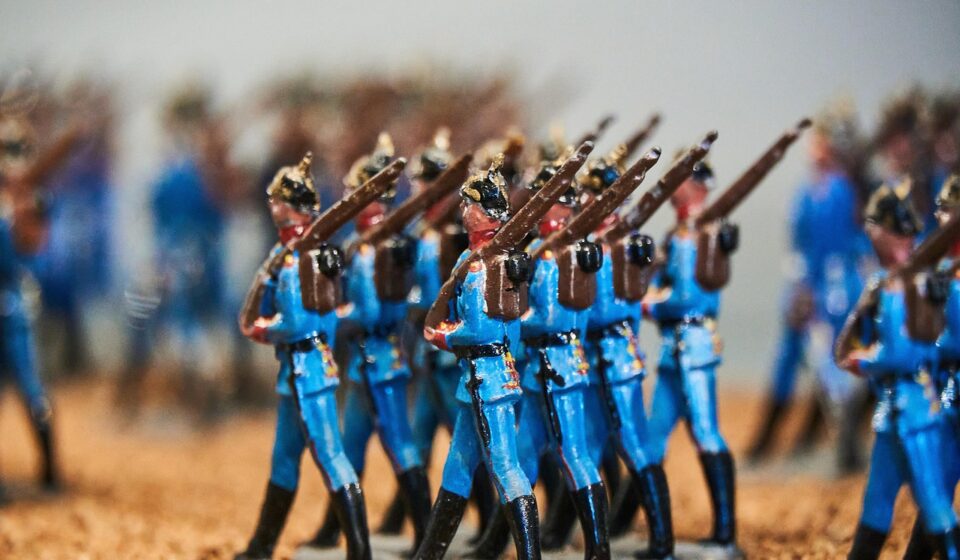

When we talk about the backbone of any ground force, the infantry immediately comes to mind. For France, the regiment d’infanterie represents not just a military unit, but a living lineage stretching back centuries, embodying the nation’s martial spirit and adapting continuously to the demands of modern conflict. Its role, even in an age of advanced technology, remains irreplaceable, securing ground and engaging enemies in the decisive ‘300 last meters’ of combat.
Last updated: June 5, 2026
Key Takeaways
- The regiment d’infanterie is the oldest and most fundamental unit of the French Army, dating back to the Ancien Régime.
- Modern French infantry regiments in 2026 are highly adaptable, integrating advanced technology like the Scorpion program vehicles and sophisticated individual combat systems.
- Training emphasizes versatility, urban combat, and combined arms operations, preparing soldiers for a wide spectrum of contemporary threats.
- Tradition and esprit de corps are vital, fostering cohesion and resilience, particularly evident in units like the 1er Régiment d’Infanterie and the Régiment d’infanterie chars de marine (RICM).
- Challenges include adapting to hybrid warfare, maintaining recruitment amidst societal shifts, and optimizing equipment within evolving defense budgets.
What is a Régiment d’Infanterie?
A régiment d’infanterie is a fundamental combat formation within the French Army, primarily composed of foot soldiers trained for close combat. It’s the core unit responsible for seizing and holding ground, engaging the enemy directly, and maintaining control over populations in conflict zones.
Historically, regiments were the largest permanent formations, but in modern armies, they are often administrative and traditional groupings that deploy smaller, more flexible units like battalions or companies for operational tasks. For the French Army, a regiment typically consists of several companies, each with specialized roles, and operates under the command of a colonel.
This structure allows for a balance between historical identity and modern operational flexibility. It’s a system that has proven resilient across centuries of warfare, ensuring that while technology evolves, the fundamental role of the soldier on the ground remains paramount.
A Legacy Forged in Fire: The Enduring History of French Infantry
The history of the French infantry is as old as the French Army itself, with roots tracing back to the 15th century. Units like the ‘bandes de Picardie’ in 1479 laid the groundwork for what would become the structured regiments of the Ancien Régime.
These early formations were crucial in the Hundred Years’ War and subsequently in the expansion of French power across Europe. The 1er Régiment d’Infanterie, for instance, boasts a continuous lineage from the Colonel-Général regiment of 1656, making it Europe’s oldest active combat regiment, according to the French Ministry of Armed Forces (as of 2026).
From the Napoleonic Wars, where French infantry famously marched across continents, to the trenches of World War I and the modern battlefields of the Sahel, the infantry has consistently been the decisive arm. Each era has brought new challenges, forcing adaptations in tactics, equipment, and training, yet the core mission has remained steadfast: to close with and defeat the enemy.
The Modern Structure: How French Infantry Regiments Operate in 2026
As of June 2026, French infantry regiments are integral components of larger brigades, which in turn form divisions within the French Army. A typical infantry regiment is organized into several companies: combat companies (often four to six), a command and logistics company, and sometimes a support company with specialized assets.
For example, the 1er Régiment d’Infanterie, based in Sarrebourg, is part of the Franco-German Brigade (BFA), highlighting international cooperation. Its composition includes several combat companies equipped for different mission profiles, along with administrative and support elements crucial for sustained operations.
This modular structure allows brigades to tailor their forces for specific deployments, from high-intensity combat to peacekeeping operations. Each regiment, while retaining its unique identity and traditions, operates within a standardized framework that ensures interoperability and efficiency across the French armed forces.
Specialized Roles and Combat Capabilities
The umbrella term regiment d’infanterie encompasses a diverse range of specialized units, each tailored for distinct operational environments and combat roles. This specialization ensures that the French Army can project power and maintain presence across various terrains and threat levels.
For instance, mountain infantry (Chasseurs Alpins) are experts in alpine warfare and cold-weather operations, possessing unique equipment and training for high-altitude environments. Mechanized infantry, equipped with vehicles like the Véhicule Blindé de Combat d’Infanterie (VBCI), offers enhanced mobility and firepower, operating in conjunction with main battle tanks.
Marine infantry (Troupes de Marine), such as those in the Régiment d’infanterie chars de marine (RICM), specialize in amphibious operations and overseas deployments. Their training is geared towards rapid projection and sustained operations in diverse climates, often serving as the initial entry force in expeditionary missions. This diversity ensures complete ground force capabilities.
Training the Modern Soldier: From Recruited to Ready
The journey to becoming a French infantry soldier is rigorous, designed to forge highly competent and resilient combatants. Initial training focuses on fundamental soldiering skills: marksmanship, fieldcraft, physical conditioning, and basic tactical maneuvers. This foundational phase is intensive, building discipline and teamwork.
As recruits progress, training becomes more specialized, reflecting the diverse roles within the infantry. Urban combat, counter-insurgency tactics, close-quarters battle (CQB), and advanced weapon systems proficiency are central to modern infantry training. The emphasis is on adaptability and problem-solving under pressure.
Regular exercises, often involving international partners, simulate complex operational environments, from desert warfare to dense urban settings. This continuous cycle of training and evaluation ensures that French infantry regiments maintain a high state of readiness, prepared for the unpredictable nature of contemporary conflicts.
Key Materiel and Technological Integration
The effectiveness of the modern regiment d’infanterie is heavily reliant on latest equipment and smooth technological integration. In 2026, the French Army continues to roll out elements of the Scorpion program, a major modernization effort aimed at enhancing connectivity, protection, and firepower.
Key vehicles include the VBCI (Véhicule Blindé de Combat d’Infanterie) for mechanized units, offering strong protection and a powerful cannon, and the Griffon Multi-Role Armoured Vehicle (VBMR) for troop transport and support. For individual soldiers, the FELIN (Fantassin à Équipement et Liaisons Intégrés) system provides integrated communications, night vision, and enhanced protection.
These systems are designed to create a networked battlefield, allowing infantry units to share real-time intelligence, coordinate movements, and engage targets with greater precision. The ongoing challenge is to integrate these complex technologies while maintaining the simplicity and robustness required for frontline operations.
Tradition and Esprit de Corps: More Than Just History
Beyond equipment and tactics, the strength of a regiment d’infanterie lies deeply in its traditions and esprit de corps. These elements are not mere relics of the past; they are vital components that foster unit cohesion, resilience, and a sense of shared identity among soldiers.
Regimental mottos, distinct insignias, historical battle honors displayed on flags, and ceremonial parades all contribute to this strong sense of belonging. For example, the 1er Régiment d’Infanterie carries the motto “Fidélité au passé, exemple pour l’avenir” (Fidelity to the past, example for the future), encapsulating its long history and forward-looking mission.
These traditions build morale, instill pride, and provide a framework for ethical conduct and sacrifice. When facing extreme adversity, the bonds forged through shared history and collective identity often prove to be the most potent force multiplier, enabling soldiers to overcome challenges that mere individual training can’t.
Challenges and Adaptations in 2026
In June 2026, French infantry regiments face a complex array of challenges, from adapting to evolving global threats to managing internal resource constraints. The rise of hybrid warfare, combining conventional, unconventional, and cyber tactics, demands highly versatile and intelligent infantry forces.
Urban environments present significant tactical hurdles, requiring specialized training and equipment for close-quarters combat and dealing with civilian populations. Recruitment and retention are also ongoing concerns, as modern societies demand different career paths. According to a 2026 report by the French Ministry of Armed Forces, maintaining consistent recruitment levels for ground forces remains a strategic priority.
And, balancing the need for advanced technological integration with budgetary realities is a constant negotiation. Infantry regiments must continuously evolve their doctrines and training to remain effective against an increasingly diverse and sophisticated range of adversaries, ensuring they can operate across the full spectrum of conflict.
From Recruitment to Deployment: The Path of an Infantry Soldier
The journey of an individual from civilian life to a deployed infantry soldier in a French regiment is a multi-stage process designed to instill the necessary skills, resilience, and camaraderie.
- Initial Recruitment and Selection: Candidates undergo physical, psychological, and aptitude tests. This phase assesses their suitability for military life and specific infantry roles.
- Basic Military Training (Formation Générale Initiale): This intensive phase, typically 12-16 weeks, covers fundamental soldiering, physical conditioning, discipline, and weapon handling.
- Specialized Infantry Training: Following basic training, soldiers proceed to infantry-specific courses. This includes advanced marksmanship, tactical maneuvers, fieldcraft, and proficiency with infantry weapons systems and vehicles.
- Regimental Integration: Upon completion of initial training, soldiers are assigned to a specific regiment d’infanterie. Here, they integrate into a company, learn regimental traditions, and participate in collective training, building unit cohesion.
- Pre-Deployment Training and Exercises: Before an operational deployment, the regiment undergoes intensive mission-specific training. This includes realistic exercises simulating the expected operational environment, refining tactics, and ensuring interoperability.
- Operational Deployment: Infantry units are then deployed to various operational theaters, from domestic security missions to international peacekeeping or combat operations. This is where all training culminates in real-world application.
- Post-Deployment and Continuous Training: After a deployment, units undergo a period of recovery and debriefing, followed by ongoing training cycles to maintain skills and adapt to new threats.

Light Infantry vs. Mechanized Infantry
| Feature | Light Infantry Regiment | Mechanized Infantry Regiment |
|---|---|---|
| Primary Mission | Rapid deployment, reconnaissance, close combat in complex terrain (urban, mountain, jungle) | High-intensity conventional combat, armored assault, rapid advance with vehicles |
| Mobility | Foot-borne, light vehicles (e.g., VBL), helicopters, parachutes | Armored personnel carriers (e.g., Griffon), infantry fighting vehicles (e.g., VBCI) |
| Firepower | Individual weapons, light machine guns, anti-tank missiles (portable) | Integrated vehicle weaponry (cannons, heavy machine guns), individual weapons, heavier support weapons |
| Protection | Personal armor, camouflage, stealth, field fortifications | Vehicle armor, personal armor, integrated defensive systems |
| Typical Deployment | Special operations, peacekeeping, initial entry, difficult terrain | Frontline combat, offensive operations, high-threat environments |
Advantages
- Adaptability: Infantry can operate in terrains inaccessible to vehicles, making them highly versatile.
- Close Combat Expertise: Essential for securing and holding ground, and direct engagement in complex environments.
- Human Intelligence: Unique ability to interact with populations and gather nuanced intelligence on the ground.
- Precision: Capable of highly precise engagement, minimizing collateral damage in sensitive situations.
- Resilience: Historically proven ability to endure harsh conditions and maintain fighting spirit under pressure.
Disadvantages
- Vulnerability: Exposed to enemy fire, especially against armored threats or air power without adequate support.
- Limited Mobility: Foot-borne movement is slow over long distances, requiring vehicle or air transport.
- Logistical Burden: Sustaining infantry in remote or hostile environments can be complex due to supply lines.
- Casualty Rates: Historically higher casualty rates due to direct exposure in combat.
- Fatigue: Physical demands can lead to rapid fatigue, impacting sustained operations without proper rest and rotation.
Common Misconceptions About Infantry in the 21st Century
One prevalent misconception is that modern warfare, dominated by drones, cyberattacks, and precision missiles, has rendered traditional infantry obsolete. While technology is crucial, the reality is that conflict ultimately boils down to controlling territory and people, a task that still requires the physical presence of infantry.
Another mistake is to view infantry as a homogenous block. As discussed, the French regiment d’infanterie includes highly specialized units, from mountain troops to marine infantry, each with unique skills and equipment. Treating them all as generic ‘foot soldiers’ misses the depth of their capabilities.
Finally, many underestimate the intellectual demands placed on modern infantry. Soldiers are not just physical operators; they must be adaptable, culturally aware, and capable of complex decision-making under extreme stress, often serving as diplomats and peacekeepers in addition to combatants.
Expert Insights on Strengthening Infantry Effectiveness
Drawing on contemporary military doctrine, strengthening the regiment d’infanterie in 2026 involves several key strategic directions. Firstly, there’s a growing emphasis on soldier-centric design for equipment, ensuring that new technologies truly enhance, rather than overburden, the individual combatant. This means intuitive interfaces and strong, lightweight gear.
Secondly, continuous training in multi-domain operations is critical. Infantry must understand how to integrate seamlessly with air, naval, cyber, and space assets, using the full spectrum of military power. This requires sophisticated joint exercises and cross-training with other branches of the armed forces.
Finally, fostering strong leadership at all levels is paramount. The ability of non-commissioned officers and junior officers to make rapid, informed decisions in chaotic environments is often the difference between success and failure. Investing in leadership development and empowering small unit leaders yields significant dividends on the battlefield.
Notable French Infantry Regiments and Their Distinct Identities
While the 1er Régiment d’Infanterie holds the distinction of being Europe’s oldest, several other French infantry regiments possess equally rich histories and critical roles in the modern French Army.
The Régiment d’infanterie chars de marine (RICM), often cited as the most decorated regiment in the French Army, is a light cavalry regiment part of the Troupes de Marine. Created in 1915, it specializes in armored reconnaissance and combat, embodying a unique blend of infantry and cavalry traditions. Its affiliation with the 9th Marine Infantry Brigade (9e BIMa) underscores its expeditionary focus.
The 2e Régiment Étranger d’Infanterie (2e REI) of the Foreign Legion is another formidable unit, known for its rigorous training and diverse composition. As part of the 6th Light Armoured Brigade, it’s highly adaptable and frequently deployed in various French operations abroad, maintaining the Legion’s legendary reputation for toughness and loyalty. These regiments, with their distinct identities, collectively reinforce the strength and versatility of the French infantry.
Frequently Asked Questions
What is the primary role of a regiment d’infanterie?
The primary role of a régiment d’infanterie is to engage the enemy in close combat, seize and hold ground, and maintain control over designated areas. They are essential for direct contact with the adversary and for ensuring sustained presence and security on the ground.
How many soldiers are typically in a French infantry regiment?
The exact number of soldiers in a French infantry regiment can vary, but a typical regiment might comprise between 800 and 1,200 personnel. This includes several combat companies, a command and logistics company, and various support elements, all under the command of a colonel.
What is the Scorpion program’s impact on French infantry?
The Scorpion program is significantly modernizing French infantry by providing new networked armored vehicles like the Griffon and Jaguar, improving battlefield connectivity, protection, and firepower. It enables infantry units to operate more effectively in a collaborative and technologically advanced environment.
Are there different types of French infantry regiments?
Yes, there are several types, including motorized infantry, mechanized infantry, mountain infantry (Chasseurs Alpins), and marine infantry (Troupes de Marine). Each specializes in different operational environments and combat doctrines, tailored to specific mission requirements and geographic considerations.
What is the 1er Régiment d’Infanterie known for?
The 1er Régiment d’Infanterie is renowned as the oldest active combat regiment in Europe, tracing its lineage back to 1656. It’s celebrated for its continuous service, historical significance, and enduring traditions, serving as a prime example of French military heritage.
How important are traditions in a French infantry regiment?
Traditions are critically important in a French infantry regiment, fostering esprit de corps, unit cohesion, and morale. They instill a sense of pride, identity, and continuity, connecting current soldiers to the valor and sacrifices of their predecessors, which is vital for resilience in combat.
Conclusion
The regiment d’infanterie remains an indispensable component of the French Army in 2026, a testament to its unparalleled adaptability and the enduring necessity of the ground soldier. From its deep historical roots to its continuous modernization efforts, these units exemplify the blend of tradition and innovation that defines effective military power. Their capacity to operate across diverse environments, integrate advanced technology, and maintain unwavering cohesion ensures France’s ability to respond to a dynamic global security landscape. The enduring lesson is clear: while tools evolve, the human element in conflict remains supreme, making the infantry regiment as vital today as it was centuries ago.
Last reviewed: June 2026. Information current as of publication; pricing and product details may change.
Editorial Note: This article was researched and written by the Call Out Loud editorial team. We fact-check our content and update it regularly. For questions or corrections, contact us. Knowing how to address regiment d'infanterie early makes the rest of your plan easier to keep on track.