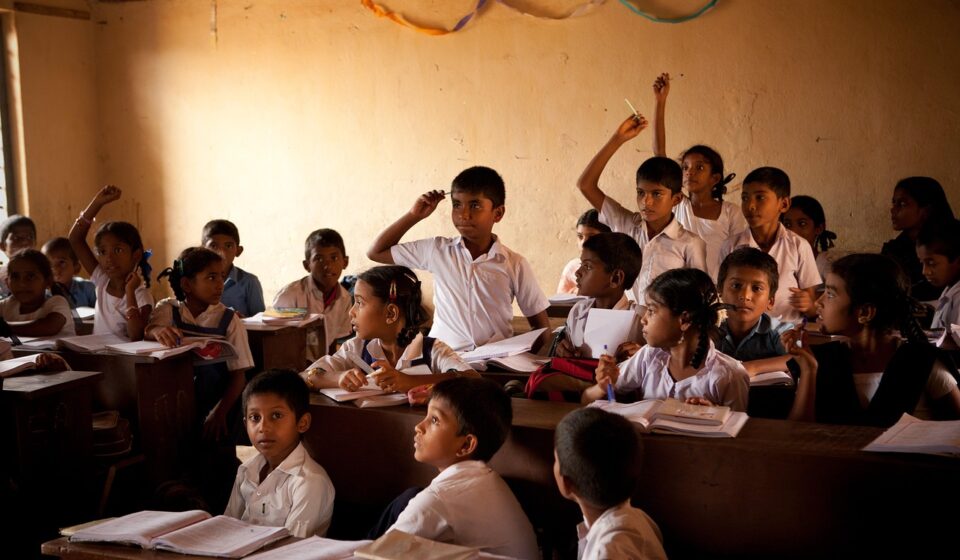

A Year 4 teacher in Skopje recently shared a common concern: how best to prepare students for the demands of the upper cycles of osnovno ciliate, the primary education system in North Macedonia. This foundational stage is not merely about learning the alphabet; it’s a critical journey that shapes a child’s academic trajectory and personal development. Understanding its structure, curriculum, and the role of parents is key to unlocking student potential.
Key Takeaways
- Osnovno ciliate is a mandatory 9-year primary education system in North Macedonia, divided into three cycles.
- The 2026 curriculum emphasizes core subjects, digital literacy, and civic education, preparing students for real-world challenges.
- Parents play a crucial role in supporting their child’s learning, from understanding the curriculum to engaging with school activities.
- Choosing between public and privatno osnovno ciliate involves weighing factors like class size, specialized programs, and financial implications.
- Successfully navigating the transition to secondary school requires proactive planning and a clear understanding of future educational pathways.
Decoding Osnovno Ciliate: The Balkan Educational Backbone
This guide covers everything about osnovno uciliste. Osnovno ciliate, often translated as primary or elementary school, is the cornerstone of formal education in North Macedonia and several other Balkan countries. It represents a mandatory nine-year cycle designed to provide children with a complete general education, preparing them for secondary schooling and life beyond.
Last updated: June 5, 2026
The significance of osnovno ciliate extends beyond academics; it fosters social skills, critical thinking, and civic values. Children typically enter at age six or seven, embarking on a journey that builds foundational knowledge across a wide array of subjects.
For parents and educators, understanding the core philosophy of this system is crucial. It aims to develop well-rounded individuals, not just rote learners, integrating national cultural values with modern pedagogical approaches.
The 9-Year Structure and Learning Stages of Osnovno Ciliate
The osnovno ciliate system in North Macedonia is structured into three distinct cycles, each building upon the last to progressively deepen learning and introduce more complex concepts.
The first cycle (grades 1-3) focuses on fundamental literacy and numeracy, introducing children to reading, writing, and basic arithmetic. Learning is often play-based and highly interactive, emphasizing adaptation to the school environment. According to the Ministry of Education and Science of North Macedonia (2026), this stage is critical for developing early learning habits.
The second cycle (grades 4-6) expands the curriculum to include more specialized subjects, such as history, geography, and natural sciences. Students begin to engage in more structured learning and independent study, with a greater emphasis on comprehension and application of knowledge.
The third cycle (grades 7-9) marks a transition towards more advanced academic content and prepares students for secondary education. Here, subjects become more departmentalized, and students are expected to engage in analytical thinking, problem-solving, and project-based learning. This final stage also includes career orientation elements, helping students consider their future academic and vocational paths.
Curriculum Highlights and Core Subjects in 2026
As of June 2026, the osnovno ciliate curriculum in North Macedonia is designed to be both complete and adaptable, reflecting contemporary educational standards and societal needs. The core subjects form the backbone of learning, ensuring a well-rounded education.
Key subjects include Macedonian language and literature, mathematics, natural sciences (biology, chemistry, physics introduced progressively), social studies (history, geography, civic education), foreign languages (often English from early grades), and arts and physical education. The curriculum also integrates interdisciplinary themes, such as environmental awareness and digital literacy.
A notable aspect of the 2026 curriculum is its emphasis on digital competencies and critical thinking. Schools are increasingly integrating technology into daily lessons, preparing students for an increasingly digital world. This ensures that students are not just consumers of information but active participants in the digital landscape.
For instance, in the second cycle, students might use educational software to simulate scientific experiments or collaborate on digital presentations for history projects. This shift aims to make learning more engaging and relevant to their future, aligning with UNESCO’s recommendations for global education standards.
Navigating the Enrollment Process for Primary School
Enrolling a child in osnovno ciliate involves a clear, albeit sometimes detailed, process. Understanding the requirements and deadlines is crucial to ensure a smooth start to their educational journey.
- Determine Eligibility: Children typically enroll in the first grade if they turn six years old by August 31st of the enrollment year. Parents of children born between September 1st and December 31st may apply for early enrollment, subject to psychological assessment for school readiness.
- Gather Required Documents: This usually includes the child’s birth certificate, proof of residency (to determine catchment school), immunization records, and sometimes a medical certificate. Specific requirements can vary slightly by municipality.
- Identify Catchment School: Most children attend the osnovno ciliate designated for their residential area. Parents can verify their catchment school through municipal education departments or school websites.
- Submit Application: Enrollment typically opens in April or May for the upcoming academic year. Applications are submitted directly to the chosen school or, in some cases, through an online portal managed by the Ministry of Education and Science.
- Attend Orientation (if applicable): Many schools host orientation sessions for new students and parents, providing an opportunity to meet teachers and familiarize themselves with the school environment.
Parents seeking to enroll their child in an out-of-region school may need to submit a specific appeal, often requiring justification and subject to available capacity. It’s important to initiate this process early.
Public vs. Privatno Osnovno Uciliste: Making the Right Choice
The decision between a public (državno) and private (privatno) osnovno ciliate is significant for many families. Each option presents distinct advantages and considerations.
The state funds public schools, offering free education, which makes them accessible to all. They generally follow the national curriculum strictly and are often larger, providing diverse social environments. Private schools, conversely, are privately funded and typically charge tuition fees.
Private institutions often boast smaller class sizes, specialized educational programs (e.g., international curricula, enhanced language immersion), and modern facilities. They may also offer more extracurricular activities and individualized attention.
| Feature | Public Osnovno Uciliste | Privatno Osnovno Uciliste |
|---|---|---|
| Cost | Free (state-funded) | Tuition fees apply |
| Curriculum | National curriculum, standard | National, international (e.g., IB), or specialized |
| Class Size | Typically larger | Often smaller, more individualized attention |
| Facilities | Vary, may be older | Generally modern, specialized resources |
| Extracurriculars | Standard offerings | Broader range, specialized clubs |
| Teacher-Student Ratio | Higher | Lower |
The choice often comes down to a family’s financial capacity, desired educational philosophy, and specific needs of the child. For example, a child thriving in a highly structured, competitive environment might benefit from certain private schools, while another might flourish in the broader community of a public school.
The Evolving Role of Technology in Osnovno Uciliste
Technology has become an indispensable tool in modern osnovno ciliate classrooms, profoundly impacting teaching methods and learning experiences. As of June 2026, digital platforms and tools are integrated across various subjects to enhance engagement and foster essential 21st-century skills.
Many schools now use e-dnevnik, an electronic grade book system, which allows parents to track student progress, attendance, and communicate with teachers efficiently. This transparency significantly strengthens parental involvement and school communication. According to a 2026 report by the National Agency for Educational Programs, the adoption of digital learning platforms increased student engagement in core subjects by an estimated 15%.
Advantages of Technology Integration:
- Enhanced Engagement: Interactive whiteboards, educational apps, and online resources make learning more dynamic and captivating for students.
- Access to Resources: Students can access a wealth of information beyond textbooks, fostering research skills and independent learning.
- Personalized Learning: Adaptive learning software can tailor content to individual student needs, providing targeted support or enrichment.
- Digital Literacy: Early exposure to technology prepares students for future academic and professional environments.
Drawbacks of Technology Integration:
- Digital Divide: Unequal access to devices and internet connectivity at home can create disparities among students.
- Screen Time Concerns: Excessive screen time can impact student well-being, necessitating careful management and balance.
- Teacher Training: Effective technology integration requires ongoing professional development for educators, which can be a resource challenge.
- Distraction Potential: Unsupervised or poorly managed use of devices can lead to distractions rather than enhanced learning.
When implementing new technologies, schools must consider not just the hardware, but the pedagogical approach. Merely introducing tablets without a clear educational purpose often yields limited benefits. The focus should always be on how technology can serve learning objectives.
Common Mistakes Parents Make and How to Avoid Them
While parental support is invaluable, certain common pitfalls can inadvertently hinder a child’s progress in osnovno ciliate. Recognizing and addressing these can significantly improve a child’s educational experience.
One common mistake is over-scheduling children with too many extracurricular activities. While enrichment is good, an overloaded schedule can lead to burnout, stress, and insufficient time for homework or rest. Instead, prioritize activities that genuinely interest the child and allow for downtime.
Another error is not engaging with the school or teachers regularly. Parents might assume no news is good news, missing early signs of academic struggles or behavioral issues. Proactively attend parent-teacher conferences, use communication platforms like e-dnevnik, and build a rapport with educators. This open dialogue helps address problems before they escalate.
Some parents also over-emphasize grades without focusing on the learning process. While good grades are desirable, fixating solely on scores can create undue pressure and discourage a child from taking risks or asking questions. Encourage effort, perseverance, and curiosity, celebrating personal growth over perfect scores. This fosters a healthier attitude towards learning.
Finally, failing to establish a consistent home learning environment can be detrimental. Children thrive on routine. A designated, quiet space for homework and a regular schedule for studying signal the importance of education. Even 30 minutes of focused quiet time daily can make a difference, especially in the earlier cycles of osnovno ciliate.
Expert Tips for Supporting Your Child’s Osnovno Uciliste Journey
Empowering your child through their osnovno ciliate years involves more than just ensuring attendance; it requires active, informed support. Here are some expert insights to guide you.
Foster a love for reading from an early age. Reading together, visiting libraries, and providing age-appropriate books can significantly boost literacy skills and overall academic performance. Studies consistently show a strong correlation between early reading exposure and later academic success.
Encourage independent problem-solving. While it’s tempting to jump in and solve homework challenges, guide your child to find solutions themselves. Ask probing questions, suggest resources, but allow them to grapple with the material. This builds resilience and critical thinking, essential skills for the later cycles of osnovno ciliate.
Stay informed about curriculum changes and educational reforms, particularly those introduced as of 2026. The Ministry of Education and Science often publishes guides and updates that can provide valuable context for what your child is learning. Understanding the ‘why’ behind certain teaching methods can help you support them more effectively at home.
Prioritize complete development, not just academics. Ensure your child gets enough sleep, maintains a balanced diet, and engages in physical activity. A healthy body and mind are foundational for effective learning. Social-emotional learning is also crucial; encourage participation in school clubs or community activities to develop interpersonal skills.
Finally, prepare for the transition to secondary school well in advance. By the third cycle (grades 7-9), start discussing options for high school, vocational training, or specialized programs. Attend open house events and explore subject choices that align with their interests and strengths. This proactive approach alleviates stress and ensures a smoother progression to the next educational stage. For detailed guidance on secondary options, see.
Frequently Asked Questions
What is the typical age range for osnovno ciliate students?
Children typically enter the first grade of osnovno ciliate at age six or seven, and complete the nine-year program by the age of 14 or 15. The system accommodates early enrollment for some younger children after assessment, ensuring readiness for structured learning.
Are there any standardized tests in osnovnociliatee?
Yes, students in osnovno ciliate undergo various forms of assessment, including regular classroom tests, quizzes, and project evaluations. While there isn’t a single high-stakes national exam at the end of primary school, assessments throughout the cycles evaluate progress and readiness for subsequent grades.
How important is parental involvement in a child’s osnovno ciliate education?
Parental involvement is highly crucial. Active engagement, such as attending parent-teacher meetings, assisting with homework, creating a supportive home learning environment, and communicating with school staff, significantly contributes to a child’s academic success and overall well-being in osnovno ciliate.
What subjects are taught in the later years of osnovno ciliate?
In the later years (grades 7-9), the curriculum expands to include more specialized subjects. These typically include advanced Macedonian language and literature, mathematics, physics, chemistry, biology, history, geography, a second foreign language, and civic education, preparing students for secondary school.
Can a child with special needs attend a regular osnovno ciliate?
North Macedonia has implemented an inclusive education framework, particularly strengthened between 2025 and 2026. This framework supports the inclusion of children with special educational needs in regular osnovno ciliate classrooms, providing individualized support plans and adapted learning materials where necessary.
What is the E-Dnevnik system?
E-Dnevnik is an electronic daily log or grade book system used in many osnovno ciliate schools. It allows teachers to record grades, attendance, and comments digitally. Parents can access this platform to monitor their child’s academic progress, communicate with teachers, and stay informed about school activities.
How does the 2026 reform impact the curriculum?
The 2026 reforms in osnovno ciliate emphasize a competency-based approach, focusing on developing practical skills like critical thinking, digital literacy, and problem-solving alongside core academic knowledge. There’s also a greater push towards interdisciplinary learning and project-based assignments.
Conclusion: Empowering Educational Journeys
The osnovno ciliate system is a meticulously designed framework that lays the groundwork for a child’s entire educational and personal journey in North Macedonia. From its 9-year, three-cycle structure to its evolving curriculum and increasing integration of technology, it aims to provide a strong and relevant learning experience.
For parents, understanding the nuances of this system, from enrollment procedures to curriculum expectations and the critical choice between public and private options, is paramount. By actively engaging with schools, avoiding common pitfalls, and embracing the tips for complete support, you can significantly empower your child to thrive within the osnovno ciliate framework and beyond.
Last reviewed: June 2026. Information current as of publication; pricing and product details may change.
Related read: Pigmalione di Shaw: Deconstructing the 'Perfect' Transformation in 2026
Editorial Note: This article was researched and written by the Call Out Loud editorial team. We fact-check our content and update it regularly. For questions or corrections, contact us. Knowing how to address osnovno uciliste early makes the rest of your plan easier to keep on track.