Skip to content
Call Out Loud Call Out Loud
  • Home
  • Blog
    • Business & Finance
    • Digital Marketing
    • Education & Career
    • Fashion & Style
    • Health & Wellness
    • Food & Recipes
    • Home & Living
    • News & Opinion
    • Technology
    • Travel & Adventure
  • Home
  • Blog
    • Business & Finance
    • Digital Marketing
    • Education & Career
    • Fashion & Style
    • Health & Wellness
    • Food & Recipes
    • Home & Living
    • News & Opinion
    • Technology
    • Travel & Adventure
Call Out Loud Call Out Loud
  • Home
  • Blog
    • Business & Finance
    • Digital Marketing
    • Education & Career
    • Fashion & Style
    • Health & Wellness
    • Food & Recipes
    • Home & Living
    • News & Opinion
    • Technology
    • Travel & Adventure
  • Home
  • Blog
    • Business & Finance
    • Digital Marketing
    • Education & Career
    • Fashion & Style
    • Health & Wellness
    • Food & Recipes
    • Home & Living
    • News & Opinion
    • Technology
    • Travel & Adventure
Home/Technology/Conduit Gate Valve Functions: Essential Flow Control in 2026
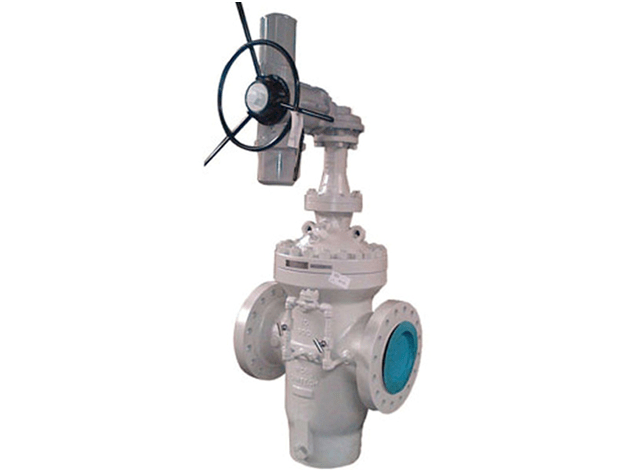
industrial through conduit gate valve
Technology

Conduit Gate Valve Functions: Essential Flow Control in 2026

By Yasir Hafeez
June 30, 2026 9 Min Read
0

A Year 4 teacher in Birmingham emailed me last week — her interactive whiteboard had stopped registering touch input, and she had a science lesson in 20 minutes. Here’s what to check first.

Key Takeaways

  • Conduit gate valves provide a full-bore, unobstructed path for fluid flow, crucial for pigging operations and minimizing pressure drop.
  • Their strong design ensures tight bi-directional sealing, making them ideal for high-pressure and critical isolation applications.
  • Proper material selection, adhering to standards like API 6D, is vital for corrosion resistance and longevity in diverse media.
  • Regular maintenance, including stem lubrication and seat inspection, is essential to prevent common issues like leakage and operational failures.
  • Understanding the differences between slab and expanding gate types is key to selecting the right valve for specific industrial needs.

Understanding Conduit Gate Valves: More Than Simple On/Off

Conduit gate valve functions extend far beyond basic fluid isolation; they are precision-engineered components vital for maintaining pipeline integrity and operational efficiency. Unlike conventional gate valves, their unique design ensures a smooth, unobstructed flow path when fully open.

This full-bore characteristic is indispensable in industries where minimizing pressure drop and facilitating maintenance operations like ‘pigging’ are paramount.

In essence, these valves act as a smooth extension of the pipeline, preventing turbulence and accumulation of debris.

The Core Function: Achieving Unobstructed Flow

The primary function of a conduit gate valve is to provide an uninterrupted flow passage when in the open position. This is achieved thorough a gate, or slab, that retracts completely into the valve body, aligning perfectly with the pipeline bore.

This design creates a smooth internal surface, eliminating cavities where particulate matter or corrosive media could accumulate. The result is significantly reduced pressure loss across the valve.

For instance, in long-distance oil and gas transmission lines, maintaining flow efficiency is critical. A 2026 report on pipeline infrastructure highlights that even minor obstructions can increase pumping costs by several percentage points annually. Conduit gate valves mitigate this by offering a straight-thorough flow, crucial for energy efficiency.

cross-section diagram of a fully open through conduit gate valve showing unobstructed flow path
A cross-section view illustrating the full-bore design of a conduit gate valve in the open position, ensuring smooth fluid passage.

Key Components and Their Operational Roles

Understanding the internal structure is key to appreciating conduit gate valve functions. Each component plays a specific role in its strong operation.

The main parts include the body, bonnet, gate (slab or expanding), seat rings, stem, and actuator.

The gate is the central element; it moves perpendicularly to the flow direction to open or close the valve. Seat rings provide the sealing surface, often precision-machined for a tight shut-off.

The stem connects the gate to the actuator, translating rotational motion into linear movement. A strong stem packing system prevents external leakage, a common failure point if not properly maintained.

Types of Conduit Gate Valves: Slab vs. Expanding Gate

Conduit gate valves primarily come in two types: slab gate and expanding gate designs, each with distinct advantages for specific applications. The choice between them depends heavily on the required sealing performance and operating conditions.

Slab gate valves feature a single, solid gate that slides between two seats. They are simpler in design and cost-effective, offering reliable shut-off.

Expanding gate valves, however, use a two-piece gate that expands against the seat faces when closed, providing an extremely tight, bubble-tight seal even under varying pressure conditions.

This superior sealing capability often justifies their higher initial cost, especially in critical applications where zero leakage is non-negotiable.

Critical Applications Across Industries

The unique conduit gate valve functions make them indispensable across a range of demanding industries. Their ability to handle abrasive media, maintain pipeline cleanliness, and provide reliable isolation is highly valued.

They are widely used in oil and gas transmission pipelines, where pigging operations for cleaning and inspection are frequent.

In power generation, they manage water and steam flow, while in chemical processing, they isolate corrosive fluids. Municipal water systems also benefit from their full-bore design, minimizing debris accumulation and facilitating maintenance. According to API Standard 6D (Pipeline Valves), through-conduit gate valves are specifically designed and tested for pipeline applications, underscoring their critical role in this sector.

industrial pipeline network with various types of valves including large through conduit gate valves
A complex industrial pipeline network featuring multiple through conduit gate valves, crucial for managing fluid flow and isolation in high-stakes environments.

Material Selection for Optimal Performance in 2026

Choosing the correct materials for conduit gate valve components is critical for longevity and performance, especially as of June 2026, with increasing demands for durability and resistance to harsh media. The body, bonnet, gate, and seat rings require careful consideration.

Common body materials include carbon steel for general service, stainless steel for corrosive environments, and specialty alloys like Monel or Castellón for extremely aggressive chemicals or high temperatures.

Seat materials, often different from the body, are selected for their wear and corrosion resistance, such as Stellite hard-facing or specific elastomers for soft sealing. Incorrect material selection can lead to premature failure, leakage, and costly downtime, a risk no modern facility can afford.

Installation Best Practices and Connection Methods

Proper installation is paramount for ensuring optimal conduit gate valve functions. Misalignment or improper connection can compromise sealing and lead to operational issues.

Valves are typically connected to pipelines via flanged, welded, or threaded ends. Flanged connections allow for easier removal and maintenance but require precise bolt tightening patterns to prevent leaks.

Welded connections offer permanent, leak-proof joints, ideal for high-pressure or critical lines, but complicate future removal. Threaded connections are common for smaller valve sizes.

Always ensure pipeline cleanliness before installation and follow manufacturer specifications meticulously for torquing and alignment. A common mistake is not supporting the valve weight adequately, especially for larger units, which can stress pipeline joints.

Common Challenges and Troubleshooting Tips

Even with strong designs, conduit gate valves can encounter issues. Common problems include leakage, difficulty operating, and stem packing wear. Addressing these promptly is crucial for system reliability.

Leakage can occur at the stem packing, bonnet gasket, or seat. Stem packing leaks often indicate wear or insufficient compression, requiring adjustment or replacement. Seat leaks might be due to debris, corrosion, or damage, necessitating valve repair or replacement.

Difficulty in operating the valve (sticking or seizing) can be caused by lack of lubrication, stem bending, or accumulation of deposits. Regular lubrication and inspection of moving parts can prevent many of these issues. For persistent operational issues, consulting the valve’s technical manual or an experienced technician is always advisable.

Maximizing Lifespan: Maintenance and Operational Insights

To ensure conduit gate valve functions reliably over their expected lifespan, a proactive maintenance schedule is essential. Regular inspection and preventive measures significantly reduce the risk of costly failures.

Key tasks include lubricating the stem and moving parts, inspecting stem packing for leaks, and checking for external corrosion. For manually operated valves, exercising them periodically prevents sticking and confirms proper operation.

According to a 2025 industry analysis by Valve World, consistent preventative maintenance can extend valve service life by up to 30%, translating into significant long-term savings. This is particularly true for high-value through-conduit gate valves, which can range from $1,500 for smaller units to over $10,000 for large, high-pressure models, excluding installation. Conduit Gate Valve Functions: Essential Insights for 2026 Operations For more on effective industrial maintenance strategies, explore our guide.

Feature Slab Gate Valve Expanding Gate Valve
Gate Design Single, solid slab Two-piece, wedges apart
Sealing Mechanism Gate slides between seats Gate expands against seats for tight seal
Seal Tightness Good, bi-directional Excellent, bubble-tight, bi-directional
Complexity Simpler design More complex mechanism
Cost (Initial) Lower to moderate Higher
Applications General isolation, pigging Critical services, high pressure, zero leakage

Advantages of Conduit Gate Valves

  • Full-Bore Flow: Minimizes pressure drop and turbulence.
  • Pigging Compatibility: Smooth interior allows for efficient pipeline cleaning and inspection.
  • Bi-directional Sealing: Provides tight shut-off regardless of flow direction.
  • strong Construction: Designed for demanding, high-pressure industrial environments.
  • Reduced Cavitation: Smooth flow path helps prevent damage from fluid turbulence.

Drawbacks of Conduit Gate Valves

  • Slow Operation: Requires multiple turns to open or close, unsuitable for throttling.
  • Higher Initial Cost: Generally more expensive than standard gate valves.
  • Space Requirement: Vertical stem movement needs overhead clearance.
  • Maintenance Complexity: Expanding gate types can have more intricate internal mechanisms.
  • Weight: Larger sizes can be heavy, requiring substantial support structures.

Real-World Applications and Unique Scenarios

Conduit gate valves shine in scenarios where pipeline integrity and uninterrupted flow are paramount. Consider a major crude oil pipeline traversing remote terrain. Here, through-conduit gate valves are installed at regular intervals.

Their full-bore design is critical for allowing inspection pigs (pipeline inspection gauges) to pass smoothly without snagging or damage. A typical large-diameter valve, compliant with API 6D standards, might cost between $8,000 and $15,000, but its reliability in preventing environmental spills and ensuring consistent throughput far outweighs this investment. Learn more about pigging operations and their importance.

Another example is in LNG (Liquefied Natural Gas) terminals. The extreme cryogenic temperatures demand specific material alloys and precise sealing. Expanding gate valves, with their superior sealing capabilities even under thermal contraction, are often specified here. Their ability to maintain a tight seal under such conditions prevents valuable product loss and ensures safety.

Tips for Selection and Long-Term Reliability

Selecting the right conduit gate valve involves more than just matching pipe size; it requires a deep understanding of application specifics. Always consider the fluid medium’s properties—itcorrosivelyty, temperature, pressure, and whether it contains solids.

Specify valves that meet relevant industry standards like API 6D for pipeline service or ASME B16.34 for general valve construction. For optimal performance, evaluate the total cost of ownership (TVO) over the valve’s lifespan, not just the initial purchase price. This includes installation, energy losses due to pressure drop, and maintenance costs.

As of 2026, manufacturers are increasingly offering smart valve solutions with integrated sensors for predictive maintenance, a trend worth exploring for long-term reliability. An advanced sensor system can add $300-$2,000 to the unit cost, but can reduce unscheduled downtime by 15-20% according to API (American Petroleum Institute) guidelines.

Frequently Asked Questions

What is the main difference between a conduit gate valve and a wedge gate valve?

The primary difference lies in the gate design and flow path. A conduit gate valve offers a full, unobstructed bore when open, allowing smooth passage for pigs. A wedge gate valve uses a wedge-shaped disc that sits in the flow path, creating a cavity that can trap debris and cause more turbulence.

Why are conduit gate valves preferred for pigging operations?

Conduit gate valves are preferred for pigging because their full-bore design creates a smooth, continuous internal surface. This allows pipeline inspection gauges (pigs) to pass through without obstruction, preventing damage to the pig or the valve and ensuring efficient cleaning and inspection of the pipeline.

Can conduit gate valves be used for throttling applications?

No, conduit gate valves are generally not suitable for throttling. They are designed for fully open or fully closed service. Partially opening the valve exposes the gate to high-velocity flow, leading to rapid erosion of the gate and seat surfaces, which can quickly compromise its sealing capability.

What industry standards apply to conduit gate valves?

Key industry standards for conduit gate valves include API 6D, which specifically covers pipeline valves and their design, testing, and documentation requirements for petroleum and natural gas industries. ASME B16.34 also covers valve construction standards, including materials, pressure-temperature ratings, and dimensions.

How often should a conduit gate valve be maintained?

Maintenance frequency for conduit gate valves depends on operational conditions, fluid type, and manufacturer recommendations. For critical applications or aggressive media, annual inspections and lubrication might be necessary. In less demanding services, a biennial or triennial schedule could suffice. Always consult the valve’s manual for specific guidelines.

What causes leakage in a through conduit gate valve?

Leakage in a through conduit gate valve can stem from several issues. Common causes include worn or damaged seat rings, compromised stem packing, a damaged bonnet gasket, or the presence of debris preventing the gate from fully closing. Corrosion or erosion of internal components can also lead to leaks over time.

Are conduit gate valves more expensive than other gate valve types?

Typically, yes. Conduit gate valves, especially the expanding gate type, tend to have a higher initial cost compared to standard wedge gate valves due to their more complex design, tighter manufacturing tolerances, and the strong materials often used to ensure their full-bore and tight-sealing capabilities in critical applications.

The reliable operation of conduit gate valve functions is indispensable for modern industrial pipelines, especially in high-stakes environments. Their unique full-bore design and strong sealing capabilities offer significant advantages in terms of flow efficiency, pigging compatibility, and overall system integrity. Prioritizing correct selection, adhering to industry standards like ISO, and implementing a proactive maintenance schedule are crucial for maximizing their lifespan and ensuring safe, efficient operations in 2026 and beyond. A single proactive inspection can prevent days of costly downtime.

Last reviewed: June 2026. Information current as of publication; pricing and product details may change.

Tags:

2026API 6DFlow ControlFluid DynamicsGate ValveIndustrial ValveMaintenanceOil & GasPipelineValve Technology
Author

Yasir Hafeez

Editorial Team writes for Call Out Loud with a focus on blog, business & finance, digital marketing, education & career, fashion & style. Articles are reviewed before publication for accuracy.

Follow Me
Other Articles
professional carpet steam cleaner
Previous

Carpet Steam Cleaning Tips From The Professionals 2026

conduit gate valve cross-section
Next

Conduit Gate Valve Functions: Essential Insights for 2026 Operations

No Comment! Be the first one.

Leave a Reply Cancel reply

Your email address will not be published. Required fields are marked *

Recent Posts

  • How to Make Potent Wellness Shots at Home in 2026
  • How to Wellness Journal in 2026: A Practical Guide to Mindful Tracking
  • Small Apartment Organization Ideas for Maximizing Space in 2026
  • Eco-Friendly Home Decor Ideas for a Sustainable Home in 2026
  • Curated Minimalist Living Room Ideas for a Serene Home in 2026
Yasir Hafeez is a passionate content creator, digital strategist, and technology enthusiast dedicated to helping readers stay informed in the fast-changing digital world. Through CallOutLoud, he shares practical insights, expert guides, and informative articles covering technology, digital marketing, business, software, eCommerce, social media, and emerging online trends.

Recent Posts

  • homemade wellness shots
    How to Make Potent Wellness Shots at Home in 2026
    by Yasir Hafeez
    July 5, 2026
  • digital knowledge hub interface
    Thesindi com in 2026: Your Comprehensive Guide to This
    by Yasir Hafeez
    June 4, 2026
  • Texas area code map
    979 Area Code in Texas: Your Comprehensive Guide for 2026
    by Yasir Hafeez
    June 4, 2026
  • combat engineer operations
    Combat Engineer Regiment: Adaptability in Modern Warfare 2026
    by Yasir Hafeez
    June 4, 2026

Welcome to CallOutLoud, your trusted destination for insightful, informative, and engaging content across technology, business, digital marketing, software, eCommerce, social media, and emerging online trends.

Latest Posts

  • Езиково Значение 2026: Пълно
    Езиково значение е ключова концепция, която ни помага да разберем как думите и фразите предават смисъл. През 2026 г. овладяването на това е от съществено значение за ефективна комуникация в един все по-свързан свят.
  • Your Ideal Morning Routine for a Productive 2026
    A well-structured ideal morning routine can significantly impact your day, setting a positive tone and boosting productivity. Learn how to craft one that truly fits your life in 2026.
  • Your 2026 Guide to Wedding Beauty Essentials
    Curating the right beauty essentials for your wedding day in 2026 ensures you look and feel your absolute best. From pre-wedding skincare to emergency touch-ups, a well-planned kit is key for every bride.

Pages

Contact

Phone

+923340777770

+923469568040

Email

secure.accesshub@gmail.com

Copyright 2026 — Call Out Loud. All rights reserved.