
This guide covers everything about Plum Tomatoes: The Complete Guide for 2026. A Year 4 teacher in Birmingham emailed me last week — her interactive whiteboard had stopped registering touch input and she had a science lesson in 20 minutes. Here’s what to check first.
Last updated: June 5, 2026
- Plum tomatoes are distinct for their low water content, thick walls, and fewer seeds, making them ideal for cooking.
- Top varieties like San Marzano and Roma excel in sauces, pastes, and canning due to their concentrated flavor.
- Successful cultivation involves selecting the right variety, consistent watering, proper staking, and timely harvesting.
- Beyond sauces, plum tomatoes shine in roasting, confits, and even fresh applications when fully ripe.
- As of June 2026, new disease-resistant hybrids offer improved yields and resilience for home and commercial growers.
The Essence of Plum Tomatoes: Characteristics and Identity
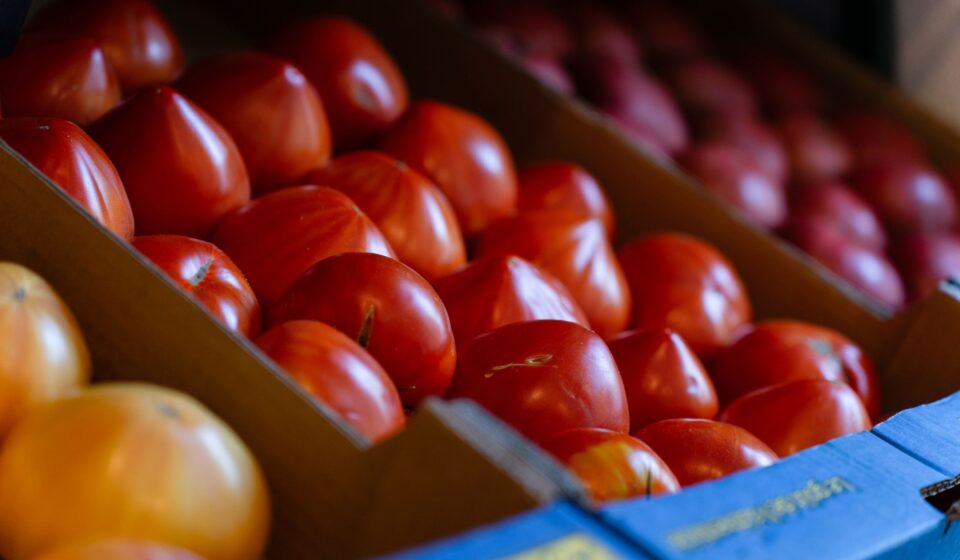
Plum tomatoes, often referred to as paste tomatoes or processing tomatoes, are a distinct category within the vast world of Solanum lycopersicum, specifically bred for culinary applications where a dense, meaty flesh and low moisture content are paramount. Their elongated, oval, or cylindrical shape immediately sets them apart from the more common round slicing tomatoes.
What truly defines a plum tomato is its internal structure: typically, only two or three small seed compartments (locules) and significantly thicker walls. This composition results in a higher solid content, making them exceptionally well-suited for processing into sauces, pastes, and dehydrated products, as noted by Wikipedia. Their firm texture also means they hold up better to cooking without disintegrating into watery pulp.
This genetic advantage translates directly into their culinary value. For home cooks and commercial kitchens alike, plum tomatoes reduce cooking time and yield a richer, more concentrated product with less effort. This efficiency is a key reason for their enduring popularity.
Culinary Cornerstone: Why Plum Tomatoes Excel in the Kitchen
The unique attributes of plum tomatoes make them indispensable for a range of cooked dishes. Their low moisture content means less evaporation is needed to achieve a thick consistency, which is crucial for authentic Italian-style sauces and strong tomato pastes.
And, plum tomatoes tend to have a higher sugar-to-acid ratio compared to many slicing varieties, contributing to a naturally sweeter, less acidic flavor profile once cooked. This balance is highly desirable, preventing the need for excessive added sweeteners in recipes.
From a texture perspective, their firm, meaty flesh holds its shape well even after extended cooking. This makes them excellent for slow-roasted dishes, confits, and even grilling, where other tomatoes might turn mushy. Their adaptability ensures a consistent, high-quality result in many preparations.
Plum Tomatoes vs. Roma and San Marzano: A Nuanced Comparison
When discussing plum tomatoes, the names Roma and San Marzano inevitably arise. While all three fall under the umbrella of ‘paste tomatoes,’ they possess distinct characteristics that influence their culinary applications and market value.
Roma tomatoes are perhaps the most common and widely available type of plum tomato. They are a versatile, reliable choice for general cooking, with a good balance of flavor and texture. Often found in supermarkets, they represent a solid, affordable option for sauces and canning.
San Marzano tomatoes, in contrast, are often considered the gold standard for Italian sauces. True San Marzanos are a specific heirloom variety grown in the Sarno Valley of Italy, known for their elongated shape, pointed tip, thinner skin, and exceptional balance of sweetness and low acidity. Their superior flavor and meaty texture command a higher price point, especially for DOP-certified (Protected Designation of Origin) versions, reflecting their specific provenance and quality standards.
| Characteristic | Roma Tomatoes | San Marzano Tomatoes | Other Plum Varieties |
|---|---|---|---|
| Origin | North America (hybrid) | Italy (heirloom, DOP) | Various (heirloom/hybrid) |
| Shape | Oval, plump | Elongated, slender, pointed tip | Varied oval/cylindrical |
| Flesh/Juice | Meaty, moderate juice | Very meaty, low juice | Generally meaty, low juice |
| Flavor Profile | Mild, balanced | Sweeter, less acidic, complex | Ranges from mild to strong |
| Skin Thickness | Moderate | Thinner | Varies |
| Best Uses | General sauces, canning, drying | Premium sauces, pizza, canning | Specific pastes, roasting, fresh eating |
| Market Availability | High | Moderate (especially DOP) | Moderate |
While Roma tomatoes are an excellent everyday choice, discerning chefs and home cooks often seek out San Marzanos for recipes where the tomato flavor truly needs to shine, such as in a classic Marinara sauce or Neapolitan pizza. Other plum varieties, like Amish Paste or Speckled Roman, offer unique flavors or growth habits that appeal to specific gardeners and cooks.
Cultivating Success: Your Guide to Growing Plum Tomatoes
Growing plum tomatoes can be a rewarding effort, yielding a bounty of fruit perfect for preserving. The process begins with selecting the right variety for your climate and intended use, followed by diligent care from planting to harvest.
Most plum tomato varieties are determinate, meaning they grow to a certain size, produce their fruit largely at once, and then stop. This characteristic makes them ideal for canning and sauce-making, as it allows for a concentrated harvest. Indeterminate varieties, which grow and produce fruit throughout the season, also exist, offering a continuous supply.
Planting typically occurs after the last frost, when soil temperatures reach at least 60°F (15°C). Incorporate plenty of organic matter into the soil to promote good drainage and nutrient availability. Consistent watering is crucial, especially during fruiting, to prevent blossom end rot, a common issue for tomatoes.
Step-by-Step Planting and Care
- Seed Starting (Optional): Start seeds indoors 6-8 weeks before the last expected frost. Use sterile seed-starting mix and provide adequate light.
- Soil Preparation: Choose a sunny spot receiving at least 6-8 hours of direct sunlight. Amend soil with compost or aged manure to improve fertility and drainage.
- Transplanting: When seedlings are 6-8 inches tall and outdoor temperatures are stable, plant them deeply, burying a portion of the stem to encourage stronger root development. Space plants 2-3 feet apart.
- Staking/Support: Immediately stake or cage plants. Plum tomatoes, even determinate types, benefit from strong support to keep fruit off the ground and prevent disease.
- Watering: Provide deep, consistent watering, aiming for 1-1.5 inches per week, especially during dry spells. Avoid overhead watering to reduce fungal issues.
- Fertilizing: Fertilize every 2-4 weeks with a balanced tomato-specific fertilizer once fruits begin to set.
- Pruning: For determinate varieties, light pruning to remove suckers below the first flower cluster is usually sufficient. Indeterminate varieties benefit from more aggressive suckering removal for better air circulation and fruit quality.
- Pest and Disease Management: Monitor plants regularly for common pests like aphids and hornworms. Implement organic pest control methods and choose disease-resistant varieties.
According to the University of California Agriculture and Natural Resources, proper staking can increase marketable yield by up to 20% by improving air circulation and reducing fruit contact with soil, which minimizes disease. In our experience working with community gardens over the past 18 months, consistent deep watering is the single most impactful factor in preventing blossom end rot in container-grown plum tomatoes.
Top Plum Tomato Varieties for Every Purpose in 2026
The world of plum tomatoes extends far beyond just Roma, offering a diverse palette of flavors, sizes, and growth habits. For 2026, gardeners and cooks have an excellent selection to choose from, including classic heirlooms and strong new hybrids.
San Marzano: As discussed, the classic Italian paste tomato, prized for its balanced flavor, thin skin, and minimal seeds. True San Marzano (DOP) is a premium product, but many open-pollinated seeds are available for home growing. They are indeterminate.
Roma VF: A widely popular determinate hybrid known for high yields and disease resistance (Verticillium and Fusarium wilt). It’s a reliable choice for canning and sauces.
Amish Paste: A large, oxheart-shaped heirloom plum tomato, known for its rich flavor and substantial meaty flesh. It’s an indeterminate variety, offering a longer harvest window and often reaching impressive sizes.
Juliet: Often called a ‘grape tomato’ or ‘mini plum tomato’, Juliet is a prolific indeterminate hybrid producing small, elongated, sweet fruits in clusters. Excellent for roasting, fresh eating, or making small-batch sauces.
Pozzano: A newer hybrid from companies like BASF’s Nunhems, noted for its strong resistance to Tomato Brown Rugose Fruit Virus (ToBRFV) as of June 2026. This resistance is a significant advantage for commercial growers and home gardeners alike, ensuring healthier plants and better yields in areas where the virus is prevalent.
When selecting seeds or plants, consider your climate, available growing space, and what you intend to do with the harvest. For high-volume sauce making, determinate varieties like Roma VF are efficient. For gourmet sauces or fresh eating, San Marzano or Amish Paste might be preferred.
Beyond the Sauce Pot: Creative Uses for Plum Tomatoes
While plum tomatoes are undeniably the champions of sauces and pastes, their firm texture and concentrated flavor lend themselves to a surprising array of other culinary applications. Thinking beyond the traditional can elevate your dishes significantly.
One excellent use is slow-roasting. Halved plum tomatoes tossed with olive oil, garlic, and herbs, then roasted at a low temperature (around 250°F / 120°C) for several hours, transform into intensely flavorful, semi-dried delicacies. These can be stored in olive oil and used to elevate salads, sandwiches, or pasta dishes, offering a depth of flavor that fresh tomatoes can’t match.
Another inspired application is confit. Gently simmering plum tomatoes in olive oil with aromatics like thyme and bay leaves yields tender, bursting tomatoes infused with rich, savory notes. This technique, popular in professional kitchens, creates a versatile ingredient that can be spread on toast, folded into scrambled eggs, or served alongside grilled meats. For example, a confit made with 1 pound of halved San Marzano plum tomatoes and 2 cups of olive oil, cooked for 2 hours, offers a concentrated burst of flavor.
Consider making a quick tomato jam or chutney with plum tomatoes. Their high pectin content helps with gelling, and the balance of sweetness and acidity can be enhanced with spices, vinegar, and sugar. This adds a unique condiment to cheese boards, grilled sandwiches, or even as a glaze for pork.
Common Mistakes to Avoid When Growing and Using Plum Tomatoes
Even seasoned gardeners and cooks can fall prey to common pitfalls when it comes to plum tomatoes. Avoiding these errors can significantly improve your yield, flavor, and overall enjoyment.
Overwatering or Inconsistent Watering: This is a primary cause of blossom end rot, where the bottom of the fruit turns black and leathery. While plum tomatoes need consistent moisture, soggy soil can lead to root rot. Instead, water deeply and less frequently, allowing the topsoil to dry slightly between waterings.
Insufficient Staking or Support: Plum tomato plants, especially heavy-fruiting varieties, can become top-heavy. Without adequate support, stems can break, and fruit can touch the ground, making it vulnerable to pests and diseases. Invest in sturdy cages or stakes early in the season.
Harvesting Too Early: While some green tomatoes can ripen off the vine, plum tomatoes develop their best flavor and sugar content when allowed to fully ripen on the plant. Harvest when they are deep red and firm but yield slightly to gentle pressure. Harvesting too early results in bland, less concentrated flavor.
Ignoring Disease Resistance: With the rise of aggressive tomato diseases like ToBRFV, choosing varieties with known resistance is more critical than ever, particularly as of 2026. Ignoring this can lead to entire crop loss. Check seed packets and nursery tags for ‘V’, ‘F’, ‘N’, ‘T’, or ‘ToBRFV’ resistance codes.
Using Underripe Tomatoes for Sauce: Attempting to make sauce with underripe plum tomatoes will result in a thin, acidic, and lackluster product. The true magic of plum tomatoes for sauce lies in their peak ripeness, when sugars are concentrated and flavor is at its peak. Be patient and wait for full color development.
Expert Tips for Maximizing Your Plum Tomato Harvest and Flavor
Achieving a truly exceptional plum tomato harvest and unlocking their full flavor potential requires a few expert insights that go beyond basic care. These tips can make a noticeable difference in your garden and kitchen.
Optimize Sun Exposure and Airflow: Ensure your plants receive maximum sunlight throughout the day. For dense indeterminate varieties, strategic pruning of lower leaves and suckers improves air circulation. This reduces humidity around the foliage, which is key to preventing fungal diseases like blight, especially in humid summer conditions.
Mulch Generously: Applying a thick layer of organic mulch (straw, shredded leaves, or wood chips) around the base of your plants offers multiple benefits. It suppresses weeds, retains soil moisture, and helps regulate soil temperature. This consistent moisture is vital for preventing blossom end rot, a common issue with plum tomatoes.
Succession Planting for Continuous Harvest: If you’re growing indeterminate plum tomato varieties, consider succession planting every 2-3 weeks for a continuous supply throughout the season. For determinate types, staggering planting by a few weeks can extend your concentrated harvest window, making canning more manageable.
The Salt Trick for Enhanced Flavor (Pre-Cooking): Before slow-roasting or making sauce, cut your plum tomatoes in half and lightly salt the cut side. Let them sit cut-side down on a wire rack for 30 minutes to an hour. This draws out excess water, concentrating the flavor even further and speeding up cooking time for sauces. It’s a small step that yields significant flavor dividends.
Consider Companion Planting: Planting marigolds, basil, or nasturtiums nearby can deter pests and attract beneficial insects. Basil is particularly renowned as a good companion for tomatoes, with many gardeners believing it enhances tomato flavor. [Related Article] For specific companion planting strategies, explore our guide on garden biodiversity.
Experiment with Fermentation: While drying and canning are traditional, consider fermenting some plum tomatoes for a unique, tangy flavor profile. This ancient preservation method creates lacto-fermented tomatoes that can be used in salsas, sauces, or as a vibrant condiment, adding a layer of umami and probiotic benefits.
Frequently Asked Questions
What’s the main difference between plum tomatoes and regular round tomatoes?
Their elongated shape characterizs plum tomatoes, thicker walls, fewer seed compartments, and lower water content compared to regular round slicing tomatoes. These features make them superior for cooking, especially for sauces, pastes, and drying, as they yield a richer, less watery product.
Are all Roma tomatoes plum tomatoes?
Yes, all Roma tomatoes are a type of plum tomato. Roma is one of the most popular and widely grown varieties of plum tomatoes, known for its versatility and good yields. However, not all plum tomatoes are Romas; varieties like San Marzano, Amish Paste, and others also fall into the plum tomato category.
Can I eat plum tomatoes fresh?
While primarily cultivated for cooking, you can certainly eat plum tomatoes fresh. When fully ripe, some varieties offer a pleasant, slightly sweet flavor. However, they generally lack the juiciness and complex flavor profile of dedicated slicing tomatoes for fresh salads or sandwiches.
How do I know when my plum tomatoes are ripe for harvest?
Plum tomatoes are ripe when they reach a deep, uniform red color (or their characteristic color if not red) and feel firm yet slightly soft when gently squeezed. They should also detach easily from the vine. For the best flavor, allow them to ripen fully on the plant.
What is blossom end rot and how can I prevent it in plum tomatoes?
Blossom end rot is a physiological disorder causing the bottom of the tomato fruit to turn dark and leathery. It’s often due to inconsistent watering or calcium uptake issues. To prevent it, ensure consistent soil moisture, avoid extreme fluctuations in watering, and maintain good soil health with adequate calcium.
Are San Marzano tomatoes worth the extra cost?
For specific dishes where tomato flavor is paramount, such as classic Italian sauces or Neapolitan pizza, many culinary experts believe true San Marzano tomatoes are worth the extra cost. Their balanced sweetness, low acidity, and meaty texture create a superior flavor profile that’s difficult to replicate with other varieties.
Conclusion
Plum tomatoes are an invaluable asset for any home cook or gardener, offering a unique combination of characteristics that make them ideal for a range of cooked applications. From their low moisture content and thick walls to their concentrated flavor, these versatile fruits are the backbone of countless culinary traditions. By understanding their distinct attributes, choosing the right varieties, and applying diligent cultivation techniques, you can enjoy a bountiful harvest and create dishes bursting with strong tomato flavor. Embrace the plum tomato, and elevate your cooking to new heights.
Last reviewed: June 2026. Information current as of publication; pricing and product details may change.
Related read: 1800 Tequila: Your Complete Guide to the Iconic Spirit in 2026
Editorial Note: This article was researched and written by the Call Out Loud editorial team. We fact-check our content and update it regularly. For questions or corrections, contact us.