
The Indian fashion landscape for women is currently a vibrant tableau of innovation and tradition, constantly evolving to meet the demands of modern lifestyles while staying rooted in rich cultural heritage. As of June 2026, the emerging trends Indian clothes women are embracing reflect a nuanced understanding of comfort, sustainability, and individual expression.
Last updated: June 30, 2026
This year, we see a powerful convergence of global influences with indigenous craftsmanship, pushing designers and consumers alike towards more conscious and versatile choices. The market for women’s fashion in India, valued at approximately $93.2 billion (₹7.7 lakh crore) in 2024, is projected to reach $121.6 billion (over ₹10 lakh crore) by 2033, growing at a steady CAGR of 2.7% between 2025 and 2033, according to IMARC Group. This growth underscores the dynamic shifts shaping what Indian women wear.
Key Takeaways
- Fusion wear continues to dominate, blending traditional silhouettes with contemporary cuts and Western elements for versatile styling.
- Sustainability and ethical sourcing are key drivers, with a growing demand for hand loom fabrics, upcycled garments, and slow fashion practices.
- Comfort-first designs, including breathable fabrics and relaxed fits, are becoming essential for both daily wear and festive occasions.
- The revival of regional textile crafts and traditional motifs is bringing unique, artisanal pieces into the mainstream.
- Personalization and customization are highly sought after, allowing women to adapt trends to their unique style and body types.
The Rise of Fusion Wear: A Modern Staple
Fusion wear remains a cornerstone of emerging trends Indian clothes women are opting for in 2026, offering a bridge between traditional aesthetics and contemporary sensibilities. This category blends Indian silhouettes with Western cuts, fabrics, and styling, resulting in highly versatile garments.
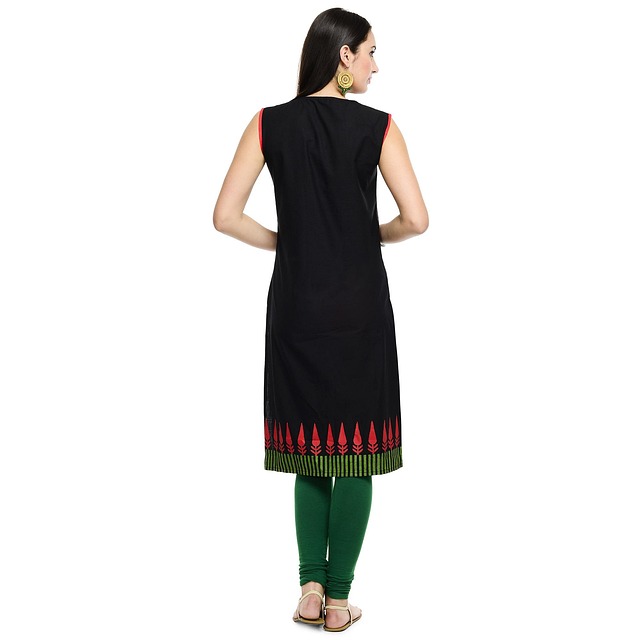
Think long kurtas paired with palazzo pants or jeans, pre-draped sarees that offer ease of movement, or ethnic jackets worn over dresses. These pieces are ideal for professional settings, casual outings, and semi-formal events, providing both style and comfort. The appeal lies in their adaptability, allowing for multiple looks with fewer garments.
For instance, a classic silk kurta can be transformed into a chic tunic with tailored trousers, or a modern crop top can be paired with a traditional Gehenna skirt for a festive yet fresh ensemble. The experimentation with hemlines, necklines, and sleeve patterns is particularly notable this year.
Sustainability and Ethical Fashion Driving Conscious Choices
A significant shift in emerging trends Indian clothes women are looking for is the move towards sustainability and ethical production. Consumers are increasingly aware of fashion’s environmental and social impact, leading to a demand for eco-friendly fabrics, fair labor practices, and conscious consumption.
This manifests in the resurgence of hand loom textiles like organic cotton, linen, khadi, and Tussar silk. Brands focusing on upcycling old sarees into new garments or employing traditional artisans are gaining prominence. The slow fashion movement, emphasizing quality over quantity and timeless pieces over fleeting trends, is also influencing purchasing decisions. According to a 2025 consumer survey by a leading fashion insights firm, nearly 60% of Indian women aged 25-45 consider a brand’s sustainability practices before making a purchase.
Supporting local artisans not only preserves traditional crafts but also ensures a more transparent and ethical supply chain. Choosing garments made from natural dyes or those with minimal environmental footprint is becoming a priority for many.
Comfort Redefined: Stylish Yet Relaxed Silhouettes
Gone are the days when Indian ethnic wear was synonymous with stiff, heavy fabrics and restrictive designs. In 2026, comfort is paramount, without compromising on style. The emerging trends Indian clothes women are favoring to include relaxed fits, breathable materials, and designs that allow for ease of movement throughout the day.
Think flowy Anarkalis, loose-fitting palazzo sets, and oversized kurtis. Fabrics like soft cotton, rayon, and lightweight chanderi are preferred for their comfort and drape. This trend extends to festive wear too, with designers incorporating lighter embellishments and more manageable silhouettes for functions that last hours. The idea is to feel good while looking elegant, whether at home, work, or a celebration.
For example, a modern Gehenna might feature an elasticated waistband and lighter skirt fabric, making it comfortable for dancing, unlike its heavily structured predecessors. This focus on we arability ensures that traditional attire can seamlessly integrate into a busy, active lifestyle.
The Return of Regional Craftsmanship and Traditional Motifs
The beauty of India’s diverse textile heritage is seeing a vibrant revival, making regional craftsmanship a key element in emerging trends Indian clothes women are drawn to. From intricate Kant ha embroidery of Bengal to the vibrant bandhani of Gujarat and the delicate Chikankari of Lucknow, these traditional techniques are being reinterpreted for modern garments.
Designers are collaborating with artisan clusters to create contemporary pieces that showcase these age-old skills, giving them a fresh appeal. This not only preserves cultural heritage but also offers unique, story-rich garments that stand out from mass-produced items. The incorporation of traditional motifs into contemporary silhouettes creates a distinctive ‘glocal’ aesthetic.
For instance, a simple linen saree might feature a Pattachitra art-inspired border, or a modern crop top could be adorned with Kutch embroidery. This trend allows women to wear their heritage with pride while embracing modern styles. It also promotes appreciation for the skill and artistry behind each piece.
How to Curate Your 2026 Indian Wardrobe: A Practical Guide
Building a wardrobe that reflects the latest emerging trends Indian clothes women are wearing in 2026 requires a thoughtful approach. Here’s a step-by-step guide to help you curate pieces that are both stylish and functional:
- Assess Your Lifestyle: Determine the balance between casual, professional, and festive wear you need. Are you looking for daily comfort or statement pieces for special occasions?
- Embrace Versatility: Invest in pieces that can be styled in multiple ways. A versatile kurta set can be dressed up or down, or a detachable pallu saree offers different draping options.
- Prioritize Fabric and Fit: Choose natural, breathable fabrics for comfort and ensure pieces fit well. Ill-fitting clothes, even if trendy, rarely look good.
- Mix & Match: Don’t be afraid to pair a traditional skirt with a Western top, or an ethnic jacket with a simple dress. This is the essence of modern Indian styling.
- Invest in Key Accessories: Statement jewelry, contemporary footwear, and designer handbags can elevate any Indian outfit. Consider how accessories complement both traditional and fusion looks.
- Consider Customization: For truly unique pieces that fit perfectly, explore local tailors or designers who offer bespoke services. This ensures a perfect fit and personalized style.
Real Examples: Designers Shaping the Narrative
Several designers and brands are at the forefront of these emerging trends, offering concrete examples of how traditional Indian wear is being reimagined. Brands like Raw Mango, under Sanjay Garg, continue to champion hand loom textiles, presenting sarees and Gehennas in minimalist yet luxurious designs, perfect for the conscious consumer seeking timeless elegance. Similarly, Masaba Gupta’s House of Masaba is renowned for its bold, contemporary prints on traditional silhouettes, appealing to a younger demographic looking for playful yet ethnic aesthetics.
For fusion wear, designers like Anamika Khanna and Payal Khanewal frequently showcase collections that blend drapes, layering, and Western cuts with Indian fabrics and embellishments. Their work exemplifies how a traditional element, such as a silk drape, can be integrated into a modern jumpsuit or an asymmetrical tunic. Even established names like Sabyasachi Mukherjee, while primarily focused on bridal and couture, often incorporate modern elements and global influences, subtly shaping the overall luxury Indian fashion narrative as of 2026.
Common Mistakes to Avoid in Modern Indian Styling
While embracing emerging trends Indian clothes women can sometimes fall into common styling traps. A frequent mistake is over-accessorizing, especially with fusion outfits. When mixing traditional and modern elements, it’s best to let one or two pieces be the focal point rather than cluttering the look with too much jewelry or conflicting accessories. Over-accessorizing can detract from the elegance of the outfit.
Another pitfall is ignoring fit. Even the most stunning design loses its charm if it doesn’t fit well. Customization is often key for ethnic wear, as off-the-rack sizes may not perfectly suit everyone’s body type. A poorly fitting garment, whether too tight or too loose, can make an otherwise trendy outfit look unpolished. Lastly, some tend to overlook the importance of fabric. Opting for cheap, synthetic materials can make an outfit look less sophisticated and also cause discomfort, especially in India’s diverse climate. Always prioritize quality and comfort alongside style.
Tips for Effortless Indian Style in 2026
To truly master the emerging trends Indian clothes women are favoring, consider these expert insights. First, experiment with layering. A well-placed ethnic jacket over a simple dress or a sheer overlay on a kurta can add depth and interest. Second, play with contrasting textures—a raw silk top with a flowing georgette skirt, for example, creates visual intrigue.
Third, don’t underestimate the power of footwear. Modern Indian outfits pair beautifully with everything from embellished juttis to contemporary heels and even stylish sneakers for a casual fusion look. Fourth, consider the occasion. While fusion wear is versatile, some traditional events may still call for a classic silhouette. Finally, personalizing your look with unique pieces, perhaps a vintage heirloom or a custom-made accessory, ensures your style truly stands out. In my experience advising clients on fashion strategy as of June 2026, the shift towards personalized and ethically sourced Indian wear is undeniable, making unique additions invaluable.
Frequently Asked Questions
What are the dominant color palettes for Indian clothes in 2026?
In 2026, dominant color palettes range from earthy neutrals and pastels for everyday wear to vibrant jewel tones and bold metallics for festive occasions. There’s also a growing appreciation for monochromatic looks and subtle ombré effects in natural fabrics.
How is Bollywood influencing Indian fashion trends this year?
Bollywood continues to be a major influencer, with celebrity styles often dictating popular trends. Actresses are frequently seen in fusion outfits, designer hand looms, and reimagined traditional wear, inspiring audiences to experiment with similar styles and incorporate them into their own wardrobes.
Can traditional sarees still be considered trendy in 2026?
Absolutely. Traditional sarees are timeless and remain highly fashionable. The trend now leans towards lighter drapes, innovative pleating, and pairing them with contemporary blouses or accessories. Sustainable silk and cotton sarees, often featuring regional weaves, are particularly popular.
What are some budget-friendly ways to update my Indian wardrobe with new trends?
Updating on a budget can involve mixing and matching existing pieces with a few new trendy items like a versatile ethnic jacket, a pair of palazzo pants, or a statement accessory. Exploring local markets for unique fabrics and getting them stitched by a local tailor is also a cost-effective way to create modern designs.
Are gender-fluid styles impacting women’s Indian fashion?
Yes, gender-fluid fashion is subtly influencing women’s Indian wear, particularly in fusion collections. Elements like structured jackets, tailored trousers, and oversized silhouettes traditionally associated with menswear are being integrated into women’s ethnic wear, offering more diverse and comfortable options.
Where can I find ethical and sustainable Indian fashion brands for women?
Many online platforms and specialty boutiques now curate ethical and sustainable Indian fashion. Look for brands that highlight their use of hand loom fabrics, natural dyes, fair trade certifications, and support for artisan communities. Websites like Okhai or Cabinda are good starting points for conscious consumers.
Conclusion
The emerging trends Indian clothes women are embracing in 2026 paint a picture of a fashion landscape that’s both deeply rooted in heritage and boldly forward-looking. From the versatility of fusion wear and the conscious choices of sustainable fashion to the comfort-driven designs and the celebration of regional crafts, Indian women’s wear is more diverse and expressive than ever before. Embrace these trends by prioritizing comfort, supporting ethical brands, and most importantly, infusing your personal style into every outfit.
Last reviewed: June 2026. Information current as of publication; pricing and product details may change.
Related read: Emerging Trends Indian Clothes Women in 2026: A Style Revolution