
Sarah, a marketing executive living in London, recently received a wedding invitation from a childhood friend in Mumbai. Her immediate thought: ” What do I wear?” The vast, and vibrant world of Indian traditional dress for women can be overwhelming, yet it offers unparalleled elegance and cultural depth. As of June 2026, understanding the nuances of these outfits is key to making a statement, whether at a grand celebration or a casual gathering.
Last updated: June 11, 2026
Key Takeaways
- The Saree remains a timeless choice, offering immense versatility for formal occasions with various fabrics and draping styles.
- Gehenna Chili is ideal for grand events like weddings and festivals, known for its intricate embellishments and regal appeal.
- Salwar Kameez provides comfort and adaptability, suitable for both casual and semi-formal settings.
- Anarkali suits are universally flattering, creating an elegant, flowing silhouette perfect for celebratory functions.
- Kurtis are essential for daily wear and modern styling, easily paired with contemporary bottoms.
- Indo-Western gowns offer a fusion of tradition and modernity, perfect for pre-wedding functions or chic parties.
- Regional styles like Gadara and Sharara provide unique, comfortable, and festive alternatives to traditional Gehennas.
The Enduring Elegance of the Saree
The saree, an unstitched length of fabric draped gracefully around the body, remains the epitome of Indian traditional dress for women. Its versatility is unmatched, with thousands of regional variations in weaving, patterns, and draping styles.
From the heavy Rajeev Ram silks of the South to the delicate Chiffons and Georgettes popular in Northern India, sarees are adaptable for almost any occasion. A Banaras silk saree, for instance, is a classic choice for weddings, known for its intricate zari work and opulent feel. In contrast, a light cotton or linen saree can be perfect for daily wear or formal office settings, offering comfort without compromising on style.
While the beauty of a perfectly draped saree is undeniable, its main drawback can be the time and skill required for draping, especially for complex regional styles. Many modern women opt for pre-stitched or ready-to-wear sarees to simplify the process.
[IMAGE alt=”Various saree draping styles and fabrics displayed on mannequins” caption=”Exploring the diverse world of sarees, from traditional silk to modern chiffon drapes.” loading=”lazy”]
Grandeur and Grace: The Gehenna Choli
For celebrations that demand grandeur, the Lehenga Choli stands out as a top choice among Indian traditional outfits. This three-piece ensemble comprises a long, embroidered skirt (Gehenna), a fitted blouse (chili), and a udātta (scarf).
Lehengas are quintessential for weddings, engagements, and major festivals like Diwali and Navratri. Designs range from subtle mirror work ideal for festive dances to heavily embellished bridal Gehennas adorned with Cardozo, sequin, and stone work. The craftsmanship involved often makes them significant investments.
While stunning, a heavily embellished Gehenna can be quite weighty and cumbersome, especially during long events. For extended wear, consider lighter fabrics like georgette or raw silk with selective embroidery, which offer a balance of glamour and comfort.
The Versatile Charm of Salwar Kameez
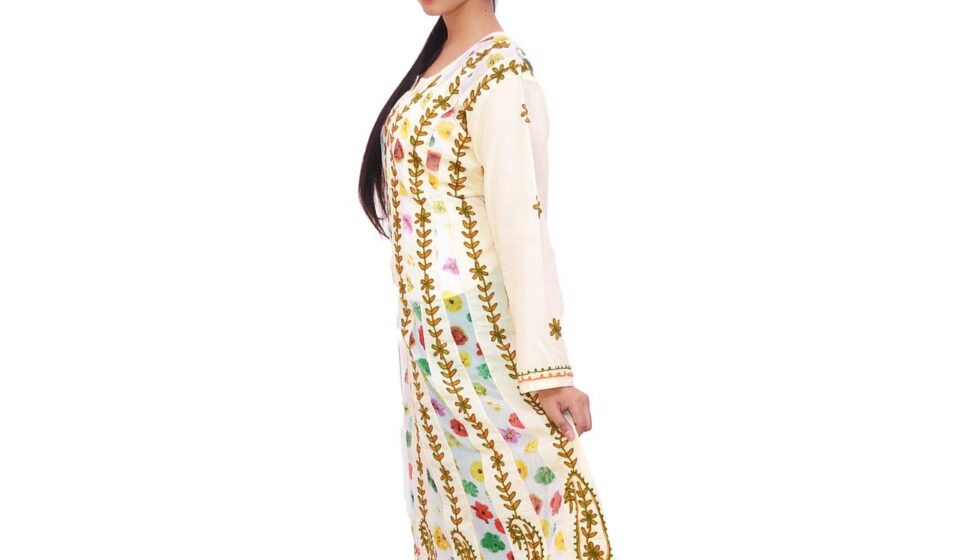
The Salwar Kameez, a comfortable and practical three-piece suit consisting of trousers (salwar), a tunic (kameez), and a udātta, is a staple in every Indian woman’s wardrobe. It offers immense styling flexibility, from casual daily wear to formal event attire.
Variations like the Patiala salwar (pleated and baggy), churidar (tight-fitting at the ankle), and palazzo pants allow for diverse looks. For instance, a simple cotton salwar kameez is ideal for everyday comfort or office wear, while a designer Anarkali-style kameez with intricate embroidery paired with a matching udātta elevates it for parties or semi-formal gatherings. According to a 2025 report by India Retail Forum, the ethnic wear segment, driven largely by accessible salwar kameez styles, has seen consistent growth in both urban and rural markets.
Its primary advantage is ease of movement and comfort. However, for the most formal occasions, a salwar kameez might sometimes be perceived as less ceremonial compared to a saree or Gehenna. That said, contemporary designs continue to push its boundaries.
The Regal Flow of Anarkali Suits
Anarkali suits, with their flattering empire-waist and flowing, frock-like silhouette, derive their name from a legendary courtesan in Mughal history. This style exudes regal elegance and has seen a significant resurgence in popularity, becoming one of the 7 best Indian traditional dress for women for special occasions.
Ideal for receptions, sangeets, and festive celebrations, Anarkalis come in various lengths, from knee-length to floor-sweeping. Fabrics like silk, georgette, and net, often adorned with zari, Gresham, or sequin work, create a luxurious feel. The full flare of the Anarkali gracefully hides many body concerns, making it a universally flattering choice.
A potential drawback is that very heavy or voluminous Anarkalis can be challenging to manage in crowded spaces or for prolonged periods. Opting for designs with lighter fabrics or strategic embellishments can offer a more practical yet equally stunning appearance.
[IMAGE alt=”Woman wearing a blue Anarkali suit with gold embroidery” caption=”The graceful silhouette of an Anarkali suit, a popular choice for festive events.” loading=”lazy”]
Modern Twist: The Contemporary Kurti
The Kurti, a shorter tunic, is perhaps the most adaptable piece of Indian traditional clothing for modern women. It can be paired with almost anything—jeans, leggings, palazzo pants, or even skirts—making it a cornerstone of everyday ethnic fashion.
Kurtis range from simple cotton prints for daily wear and office attire to elaborately embroidered silk or chanderi pieces suitable for semi-formal events. Their comfort and ease of styling have made them incredibly popular among younger generations and working professionals. For instance, a sleek, straight-cut kurti in a rich fabric can be a sophisticated choice for a business casual event.
The main limitation of the kurti is its formality. While versatile for daily and semi-formal wear, it rarely suffices as the primary traditional dress for grand events like a traditional Indian wedding ceremony, which typically calls for more elaborate attire.
The Unconventional Indo-Western Gown
For women seeking a blend of cultural aesthetics and contemporary ease, the Indo-Western gown offers a compelling option. This fusion wear incorporates traditional Indian motifs, fabrics, and embellishments into modern gown silhouettes, creating a unique fashion statement.
These gowns are particularly popular for pre-wedding functions like sangeet or cocktail parties, where guests want to look ethnic yet modern. They might feature traditional embroidery like gota patti or Cardozo on a floor-length, Western-cut gown. The ease of wearing a single piece, without the complexities of draping or managing multiple components, is a significant draw.
However, their fusion nature means they might not be appropriate for very traditional religious ceremonies or events where a strictly traditional dress code is expected. It’s crucial to assess the event’s formality and cultural context before choosing an Indo-Western gown.
Regional Delights: Gadara and Sharara
The Gadara and Sharara are two distinct yet similar styles of Indian traditional dress that offer a refreshing alternative to Gehennas, especially for festive occasions. Both feature wide-legged trousers, but a Gadara is fitted at the knee then flares out dramatically, while a sharara flares out from the waist.
These outfits, often paired with a short kurti and a udātta, have historical roots and are particularly popular in North Indian and Pakistani fashion. They are fantastic choices for festive gatherings, Eid celebrations, and even Mehdi ceremonies, providing comfort and a unique silhouette. The vibrant fabrics and intricate embellishments make them eye-catching.
A potential challenge with Gadaras and shararas is that their voluminous nature can sometimes overwhelm petite figures if not chosen with careful consideration of proportions and fabric. Selecting lighter fabrics and less exaggerated flares can help create a more balanced look. for more on regional Indian textiles.
How to Choose Your Perfect Traditional Indian Dress in 2026
Selecting the ideal Indian traditional attire involves more than just picking a design you like. Here’s a practical guide to help you Handle the choices as of June 2026:
- Consider the Occasion: Is it a formal wedding, a casual family gathering, a festive celebration, or daily wear? The formality dictates the style, fabric, and embellishment level. Bridal wear, for instance, demands heavy work, while a festive puja might call for a simpler silk.
- Understand Your Body Type: Different silhouettes flatter different figures. An Anarkali is great for an hourglass or pear shape, while a straight-cut salwar kameez suits most. A well-draped saree can enhance any body type.
- Choose the Right Fabric: Silk and velvet are luxurious for winter weddings, while cotton, linen, and georgette are comfortable for summer events. Breathability and drape are crucial for comfort and aesthetic appeal.
- Evaluate Embellishments: Zari, sequin, mirror work, thread embroidery, and stone work all add distinct characters. Consider the balance between intricate work and overall weight, especially for long events.
- Set a Realistic Budget: Traditional Indian dresses can range from a few hundred rupees for a simple kurti to several lakhs for a designer bridal Gehenna. Knowing your budget helps narrow down choices and manage expectations. As of June 2026, a high-quality party wear Gehenna might cost between ₹15,000-₹50,000 (approx. $180-$600 USD), while an everyday kurti could be ₹800-₹3000 (approx. $10-$35 USD).
- Prioritize Comfort: No matter how beautiful, an uncomfortable outfit can ruin your experience. Always ensure the fit is right and the fabric feels good against your skin, especially if you plan to wear it for many hours.
Comparing Indian Traditional Dresses: A Quick Glance
To help you decide, here’s a comparison of some popular traditional Indian dress for women options:
| Dress Type | Best Occasion | Comfort Level | Styling Versatility | Typical Price Range (June 2026) |
|---|---|---|---|---|
| Saree | Weddings, Formal Events, Festivals | Medium (can be restrictive) | High (many draping styles) | ₹2,000 – ₹100,000+ |
| Lehenga Choli | Weddings, Grand Festivals | Medium (can be heavy) | Medium (less adaptable for casual) | ₹5,000 – ₹500,000+ |
| Salwar Kameez | Daily Wear, Casual, Semi-Formal | High | Very High (many styles & pairings) | ₹800 – ₹20,000+ |
| Anarkali Suit | Parties, Receptions, Festivals | High (flowy) | Medium (best for dressier occasions) | ₹2,500 – ₹50,000+ |
| Kurti | Daily Wear, Office, Casual Outings | Very High | Very High (mix & match) | ₹500 – ₹10,000+ |
| Indo-Western Gown | Cocktail Parties, Sangeet, Modern Events | High | Medium (fusion specific) | ₹3,000 – ₹30,000+ |
| Gadara/Sharara | Festivals, Mehendi, Family Gatherings | High | Medium (festive/semi-formal) | ₹2,000 – ₹25,000+ |
Common Mistakes to Avoid When Choosing Traditional Attire
Even with abundant choices, missteps can happen. Avoiding these common errors can ensure your traditional Indian outfit truly shines:
- Ignoring Comfort for Style: A beautiful dress that’s too tight, itchy, or heavy will detract from your enjoyment. Always try on outfits and move around to check for comfort.
- Over-Accessorizing: While Indian attire often calls for jewelry, too many pieces can overwhelm your look. Choose one or two statement pieces, like a heavy necklace or elaborate earrings, and let them shine.
- Not Considering Climate/Season: Wearing heavy velvet in summer or light chiffon in winter can lead to discomfort. Opt for breathable fabrics in warm weather and richer, heavier materials for colder climates.
- Improper Fit: A well-fitted outfit makes all the difference. Even the most expensive saree or Gehenna will look less appealing if it’s too loose or too tight. Invest in good tailoring.
- Neglecting Undergarments: The right bra, shapewear, or petticoat is crucial for the drape and fit of many traditional Indian dresses, especially sarees and Gehennas.
Expert Tips for Styling and Maintaining Your Indian Traditional Outfits
Beyond selecting the best Indian traditional dress for women, styling and maintenance are key to making them last and look their best. Here are some expert insights:
- Strategic Accessorizing: For a heavily embroidered outfit, minimal jewelry often works best. For simpler dresses, a statement necklace or intricate bangles can elevate the look. Consider the neckline of your chili or kurti when choosing necklaces.
- Footwear Choices: Heels often complement sarees and Gehennas, providing height and enhancing the drape. For comfort, embellished flats or juttis (traditional Indian footwear) are excellent choices with salwar kameez or kurtis. Ensure your footwear is comfortable enough for the event’s duration.
- Hair and Makeup: Match your hair and makeup to the occasion and the outfit. Elegant updos or braids can highlight intricate blouse designs, while soft waves might suit an Anarkali. A bold lip can add a touch of glamour, while subtle makeup is ideal for daytime events.
- Fabric-Specific Care: Silks and heavily embroidered pieces usually require dry cleaning. Cotton and linen can often be hand-washed or machine-washed on a delicate cycle. Always check the care label to prolong the life of your garments. Storing delicate items in garment bags can prevent damage. According to a textile conservation guide from the Victoria and Albert Museum, proper storage in acid-free materials significantly extends the lifespan of traditional textiles.
- Draping Experimentation: Don’t be afraid to try different saree draping styles. A simple Nivi drape is classic, but exploring regional drapes or contemporary styles can offer a fresh perspective. Online tutorials can be a great resource.
[IMAGE alt=”Woman arranging her accessories including earrings, bangles, and a necklace for a traditional Indian outfit” caption=”Accessorizing thoughtfully can transform an Indian traditional dress from simple to stunning.” loading=”lazy”]
Frequently Asked Questions
What are the most popular fabrics for Indian traditional dresses?
Popular fabrics include silk (Banaras, Rajeev Ram), cotton, chiffon, georgette, raw silk, velvet, and net. The choice often depends on the occasion and season, with silk and velvet being preferred for formal events and cotton for comfort.
Can I wear traditional Indian dresses for office or daily wear?
Absolutely. Kurtis and simple cotton salwar kameez sets are excellent for office and daily wear due to their comfort and versatility. They offer a stylish yet professional look while embracing traditional aesthetics.
How do I choose the right size for Indian traditional outfits online?
Always refer to the brand’s specific size chart and take accurate body measurements. Indian sizing can sometimes differ from Western sizes. Reading customer reviews about sizing can also provide helpful insights.
What is the difference between a Garara and a Sharara?
Both feature wide-legged trousers. A sharara flares out directly from the waist, offering a continuous wide silhouette. A garara, however, is fitted at the knee and then flares dramatically, creating a distinct two-tiered effect.
Are Indo-Western gowns considered traditional?
Indo-Western gowns are a fusion of traditional Indian elements and Western silhouettes. While not strictly traditional in the classical sense, they are widely accepted and popular for modern Indian celebrations and events where a contemporary ethnic look is desired.
How do I care for heavily embroidered traditional dresses?
Heavily embroidered dresses, especially those with zari, sequin, or stone work, typically require dry cleaning to protect the delicate embellishments. Store them in breathable garment bags in a cool, dry place to prevent damage and tarnishing.
Conclusion: Embracing the Richness
The world of Indian traditional dress for women is a vibrant mix of history, craftsmanship, and evolving style. Whether you gravitate towards the timeless elegance of a saree, the regal splendor of a lehenga chili, or the contemporary comfort of a kurti, each outfit tells a story.
By understanding the characteristics, occasions, and styling nuances of these 7 best Indian traditional dress for women, you’re empowered to make choices that not only look stunning but also feel authentic and comfortable. Embrace the diversity, experiment with styles, and let your attire reflect the rich cultural heritage it represents.
Last reviewed: June 2026. Information current as of publication; pricing and product details may change.