

When navigating the complex world of fixed-income investments, understanding sovereign debt instruments is crucial. The Belgian obligation linéaire, commonly known as an OLO (from the Dutch ‘lineaire obligatie’), stands as a foundational element of the Belgian federal government’s public debt issuance strategy. These bonds are a primary tool for financing state operations and are highly regarded in European financial markets.
Last updated: June 10, 2026
Many investors, both institutional and individual, seek out OLOs for their perceived stability and liquidity. As of June 2026, the market for these instruments remains strong, reflecting their importance in the national financial framework.
Key Takeaways
- Obligation linéaire (OLO) bonds are long-term, standardized government bonds issued by the Belgian federal government.
- Their ‘linear’ nature refers to the fungibility of bonds issued at different times but with the same characteristics, creating highly liquid market segments.
- OLOs offer predictable coupon payments and are considered low-risk investments, backed by the Belgian state’s creditworthiness.
- Investors can access OLOs through primary dealers in auctions or via the active secondary market.
- Key risks include interest rate fluctuations and inflation, although default risk is minimal for a sovereign issuer like Belgium.
What is an Obligation Linéaire (OLO)?
An obligation linéaire, or OLO, is a long-term, standardized government bond issued by the Belgian federal government. These bonds are a critical instrument for the state to borrow money from investors to fund its budget deficit and refinance existing debt.
They typically have maturities ranging from 1 to 50 years, although the most common maturities are 5, 10, and 30 years. OLOs pay a fixed interest rate, known as a coupon, to bondholders at regular intervals, usually annually.
At the bond’s maturity date, the principal amount (face value) is repaid to the investor. This structure provides a predictable income stream and capital preservation, making them attractive to a wide range of investors.
The Unique ‘Linear’ Issuance Mechanism
The term ‘linear’ in obligation linéaire refers to a specific issuance strategy designed to enhance market liquidity and efficiency. Unlike traditional bond issues that are launched as distinct, separate series, OLOs are issued in tranches that are fungible with existing bonds of the same maturity and coupon rate.
This means that bonds issued at different times under the same OLO program are considered identical. This continuous issuance, often called ‘tap issuance,’ builds up a large outstanding volume for each bond line.
For example, a 10-year OLO maturing in 2036 with a 2% coupon might be issued in multiple auctions over several months or even years. All these tranches merge into a single, large pool of the ‘OLO 2036 2%.’ This fungibility creates highly liquid benchmark bonds, making it easier for investors to buy and sell without significantly impacting the price.
From a market participant’s perspective, this ‘linear’ approach significantly reduces fragmentation in the bond market, ensuring that each OLO line is substantial enough to attract strong trading activity. <figure class="saap-inline-img" style="margin:20px 0;text-align:center“>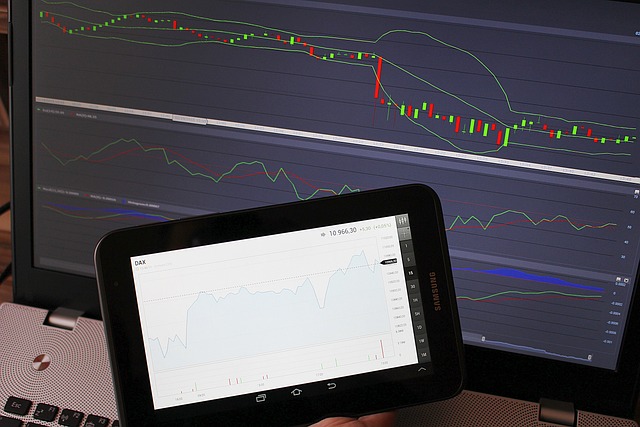
How Obligation Linéaire Bonds Function for Investors
For an investor, an OLO bond operates much like any other plain vanilla fixed-rate bond. When you purchase an OLO, you are essentially lending money to the Belgian government for a specified period.
In return, the government promises to pay you regular interest payments (coupons) and return your initial investment (principal) at maturity. The coupon rate is fixed at the time of issuance and remains constant throughout the bond’s life.
The price at which you buy the OLO may differ from its face value, depending on prevailing market interest rates. If market rates are lower than the OLO’s coupon rate, you might pay a premium; if higher, you might buy at a discount. The yield to maturity, which accounts for the purchase price, coupon payments, and capital gain/loss at maturity, is the most accurate measure of return.
Key Characteristics and Features of OLOs
Obligation linéaire bonds possess several distinct characteristics that make them a preferred choice for many investors:
- Standardization: OLOs are highly standardized instruments, meaning their terms and conditions are uniform across all issues of the same line. This simplifies trading and valuation.
- Liquidity: Thanks to the linear issuance strategy, OLOs are among the most liquid sovereign bonds in the Eurozone. This high liquidity ensures that investors can easily enter or exit positions.
- Fixed Interest Rate: The coupon rate is set at issuance, providing investors with predictable income. This makes OLOs attractive for those seeking stable cash flows.
- Long Maturities: OLOs are primarily long-term instruments, offering durations that can extend up to 50 years, appealing to institutional investors with long-term liabilities.
- Benchmark Status: Specific OLO lines, particularly 10-year issues, often serve as benchmarks for the broader Belgian and sometimes European bond markets.
The Role of the Belgian Federal Debt Agency
The Agence Fédérale de la Dette (Belgian Federal Debt Agency) is the governmental body responsible for managing Belgium’s public debt. This agency plays a central role in the issuance, management, and promotion of OLOs.
According to the Belgian Federal Debt Agency (debtagency.be) as of June 2026, their primary objectives include ensuring continuous access to financial markets, minimizing the cost of debt, and maintaining a liquid market for Belgian government securities. They organize regular auctions for OLOs, manage the primary dealer network, and provide market information to investors.
The agency’s transparency and proactive communication are vital for maintaining investor confidence in Belgian sovereign debt. They regularly publish auction calendars, issuance details, and market data, which are essential resources for participants in the OLO market.

Benefits of Investing in Belgian OLOs
Investing in obligation linéaire bonds offers several compelling advantages, particularly for risk-averse investors and those seeking portfolio diversification:
- Safety and Stability: As direct obligations of the Belgian federal government, OLOs carry a very low credit risk. Belgium is a member of the Eurozone, further enhancing its financial stability.
- Predictable Income: The fixed coupon payments provide a steady and reliable income stream, which is particularly attractive for retirees or institutions with fixed liabilities.
- High Liquidity: The ‘linear’ issuance mechanism and the active secondary market ensure that OLOs can be easily bought and sold, providing investors with flexibility.
- Diversification: OLOs can serve as a diversifying asset in a portfolio, especially during periods of market volatility when equities might be underperforming. Their low correlation with other asset classes can enhance overall portfolio stability.
- Transparency: The Belgian Federal Debt Agency provides extensive information and data, ensuring a high degree of transparency for investors.
Risks Associated with Obligation Linéaire
While OLOs are generally considered safe investments, they are not entirely without risk. Understanding these potential drawbacks is crucial for informed decision-making:
Pros
- High credit quality (low default risk)
- Predictable, fixed income stream
- Excellent market liquidity
- Diversification benefits for portfolios
- Transparent issuance and market data
Cons
- Interest rate risk (bond prices fall when rates rise)
- Inflation risk (purchasing power of fixed payments erodes)
- Limited capital appreciation potential
- Reinvestment risk at maturity
- Exchange rate risk for non-Euro investors
The primary risks for OLOs are interest rate risk and inflation risk. When market interest rates rise, the value of existing bonds with lower fixed coupon rates typically falls, as new bonds offer higher yields. Conversely, if interest rates fall, existing OLOs become more valuable. Inflation can also erode the purchasing power of the fixed coupon payments and the principal repayment at maturity.
Navigating the Primary and Secondary Markets
Obligation linéaire bonds can be acquired in two main ways: through the primary market or the secondary market.
The primary market is where new OLOs are initially issued by the Belgian Federal Debt Agency. These issues typically occur via auctions where a select group of ‘Primary Dealers’ (major banks and financial institutions) bid for the bonds. Individual investors generally can’t participate directly in these auctions but can access new issues through their banks or brokers who are Primary Dealers or have relationships with them.
The secondary market is where previously issued OLOs are traded between investors. This market is highly active and liquid, facilitated by electronic trading platforms and over-the-counter (OTC) transactions between financial institutions. Most individual investors will purchase OLOs through the secondary market via their investment platforms or banks. Prices in the secondary market fluctuate based on supply, demand, and prevailing interest rates.
Tax Considerations for OLO Investors in Belgium
For Belgian residents, the coupon payments from OLOs are generally subject to a withholding tax (précompte mobilier) at a rate of 30% as of June 2026. This tax is typically deducted at the source by the financial institution paying the coupon.
Capital gains realized from selling OLOs before maturity are generally exempt from tax for individual investors, provided they are managed ‘as a good family father’ (i.e., not speculative or professional trading). However, any capital losses are also not deductible.
remember that tax regulations can be complex and may vary based on an investor’s specific situation and changes in legislation. Non-resident investors may be subject to different tax rules depending on their country of residence and any existing double taxation treaties. Always consult with a qualified tax advisor for personalized guidance regarding OLO investments.

OLO Bonds vs. Other Sovereign Debt Instruments
While OLOs are the flagship instrument for Belgian sovereign debt, the government also issues other types of securities. The most common alternative for shorter-term borrowing is the Treasury Certificate (Certificat de Trésorerie).
| Feature | Obligation Linéaire (OLO) | Treasury Certificate |
|---|---|---|
| Maturity | Long-term (1 to 50 years) | Short-term (3, 6, 12 months) |
| Interest Payment | Fixed coupon, paid annually | Discount instrument (no coupon, issued at discount to face value) |
| Target Investor | Institutional, long-term individual | Institutional, money market funds |
| Liquidity | High, very active secondary market | High, active money market |
| Purpose | Long-term budget financing | Short-term cash management |
Treasury Certificates are short-term, zero-coupon instruments issued at a discount and redeemed at face value. They are primarily used for the government’s short-term cash management needs and are popular with money market funds and institutional investors. In contrast, OLOs cater to longer-term financing and investment horizons, offering regular income.
How to Invest in Obligation Linéaire
For those looking to add Belgian OLOs to their portfolio, the process involves a few key steps:
- Choose a Financial Intermediary: Most individual investors will need to go through a bank or brokerage firm. Ensure your chosen institution offers access to government bonds and has competitive fees. Many Belgian banks, as well as international brokers, can facilitate OLO purchases.
- Open an Investment Account: If you don’t already have one, you’ll need to open an investment account that allows for bond trading.
- Research Current OLO Issues: Consult market data sources or the Belgian Federal Debt Agency’s website for information on current OLOs available in the secondary market, including their maturity dates, coupon rates, and yields.
- Place an Order: Instruct your broker to purchase the desired OLO. You’ll specify the bond’s ISIN (International Securities Identification Number), face value, and the price you’re willing to pay (or accept the prevailing market price).
- Monitor Your Investment: Keep track of your OLO’s performance, especially in relation to interest rate changes and your overall portfolio strategy.
For institutional investors, the process often involves direct participation in primary market auctions via their status as Primary Dealers or by trading large blocks in the interbank secondary market.
Real-World Examples and Use Cases
The versatility of obligation linéaire bonds makes them suitable for various investment strategies. Consider a Belgian pension fund, for instance, which might invest heavily in long-term OLOs (e.g., 30-year or 50-year maturities) to match its long-duration liabilities. The predictable cash flows from OLO coupons help these funds meet future pension obligations.
Another example is an individual investor planning for retirement in 10-15 years. They might purchase a 10-year OLO maturing in 2036. If they acquire an OLO with a 2.85% coupon, as was seen in a recent 10-year issuance according to RTL Info in early 2024, they secure a stable annual income for that period, assuming they hold the bond to maturity. This protects them from short-term market volatility and provides a fixed return component to their portfolio.
Major institutional investors like BlackRock or Fidelity also use OLOs within their global fixed-income funds, valuing their liquidity for portfolio rebalancing and their role as a safe-haven asset during periods of economic uncertainty. These funds might hold large positions, sometimes amounting to hundreds of millions or even billions of euros in various OLO lines, to achieve broad market exposure and manage risk.
Common Mistakes to Avoid When Investing in OLOs
Even with relatively safe assets like OLOs, investors can make missteps that impact their returns. One common mistake is neglecting interest rate risk. Assuming that because an OLO is a ‘safe’ government bond, its price won’t fluctuate is incorrect. If you need to sell your OLO before maturity and interest rates have risen, you could incur a capital loss.
Another error is overlooking inflation. A fixed 2% coupon might seem attractive, but if inflation consistently runs at 3% or higher, the real purchasing power of your coupon payments and principal repayment diminishes over time. Investors should consider real yields (yield minus inflation) rather than just nominal yields.
Finally, some individual investors might fail to account for all costs, including brokerage fees and the 30% withholding tax on coupons. These charges can reduce the net return, so it’s essential to understand the overall cost structure before investing. 5 Important Tips For Investing In Eye Catching Storefront
Expert Tips for OLO Investors
For those considering obligation linéaire bonds, a few expert insights can optimize your investment strategy. First, consider your investment horizon. If you anticipate needing your capital back within a few years, shorter-maturity OLOs or even Treasury Certificates might be more suitable to minimize interest rate risk. Conversely, for very long-term goals like retirement planning, longer-dated OLOs can lock in current yields for decades.
Secondly, pay close attention to the yield curve. A steeply upward-sloping curve suggests that longer-term bonds offer significantly higher yields than shorter ones, potentially rewarding long-term holders. In contrast, a flat or inverted curve might signal economic concerns and could influence your maturity preference.
Finally, use the extensive data provided by the Belgian Federal Debt Agency (debtagency.be). This includes auction results, outstanding volumes, and market statistics, all of which are crucial for making informed decisions. Don’t solely rely on your broker’s recommendations; empower yourself with the official data.
Frequently Asked Questions
Are Obligation Linéaire bonds safe investments?
Yes, OLO bonds are considered very safe investments because they are direct obligations of the Belgian federal government. This means they are backed by the full faith and credit of the Belgian state, which has a strong credit rating and is a member of the Eurozone, minimizing default risk.
What is the typical yield on an OLO bond in 2026?
The typical yield on an OLO bond varies significantly based on its maturity, prevailing market interest rates, and economic conditions. As of June 2026, 10-year OLO yields might range depending on global economic sentiment and central bank policies. Always check current market data for precise figures.
Can individual investors buy OLOs directly?
No, individual investors typically can’t buy OLOs directly from the Belgian Federal Debt Agency in primary auctions. Instead, they must purchase them through licensed financial intermediaries such as banks, stockbrokers, or online investment platforms that provide access to the secondary bond market.
How is the interest on OLOs taxed in Belgium?
For Belgian residents, the coupon payments from OLOs are generally subject to a 30% withholding tax (précompte mobilier) deducted at source. Capital gains are usually exempt for individual investors, provided the investment is managed non-speculatively. Consult a tax professional for specific advice.
What makes OLOs ‘linear’ compared to other bonds?
The ‘linear’ aspect refers to their fungibility. The Belgian Debt Agency issues tranches of OLOs at different times that are identical in terms of maturity and coupon. These tranches merge into one large, highly liquid bond line, simplifying trading and increasing market depth.
What are the primary risks of investing in OLOs?
The primary risks for OLO investors are interest rate risk, meaning the bond’s market value will fluctuate inversely with changes in interest rates, and inflation risk, which can erode the purchasing power of fixed coupon payments over time. Credit risk is very low.
Conclusion
The obligation linéaire remains a cornerstone of Belgium’s financial landscape and a reliable option for investors seeking stability and predictable income. As of June 2026, understanding their unique ‘linear’ issuance, the role of the Federal Debt Agency, and associated risks like interest rate fluctuations is paramount. By approaching OLO investments with a clear strategy and an awareness of market dynamics, investors can effectively integrate these sovereign bonds into their diversified portfolios. For further exploration of European fixed-income markets, see Dive Into Django: Building Robust Web Apps With Python in 2026.
Last reviewed: June 2026. Information current as of publication; pricing and product details may change.